Instinct app: 23-year-old Noah Shinn's AI assistant is worth $10bn
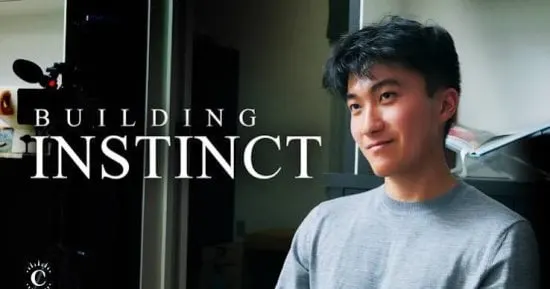
Noah Shinn dropped out of university and is 23. His app Instinct books, shops and cancels subscriptions by text, and investors now value it at $10 billion.
 SUMO· the number puzzle
 Dialo· learn languages by speaking
 ediviewer· read EDI files like documents
 giftdetect· the right gift in minutes
Noah Shinn is 23, left university early, and runs a company that investors value at $10 billion. His product, the Instinct app, is an AI assistant you text or call, and it does the chores instead of just talking about them.
What is Instinct?
Instinct comes from Spear Street Technology, a San Francisco company Shinn founded in 2025. It is built on agentic AI, meaning software that takes actions rather than only answering questions. You message it or phone it and ask for something: tidy your inbox, find the cheapest flights, book a restaurant, plan a trip, order household supplies, or cancel subscriptions you no longer use.
It can reach the apps and accounts you allow it to connect to, then work through several steps to finish the job. Some users have planned long trips, weekly shopping and concert tickets with it. One used it for wedding planning, and Shinn has talked about using it for buying a house. The company is also working on agents that phone businesses and make bookings for you.
Who is Noah Shinn?
Shinn studied computer science at Northeastern University but did not finish. He worked at Sierra, which builds AI agents for customer service and was founded by Bret Taylor, former co-CEO of Salesforce, and Clay Bavor. He also co-authored "Reflexion: Language Agents With Verbal Reinforcement Learning", presented at NeurIPS 2023. It describes agents that review earlier attempts and keep notes to do better next time.
How much has Instinct raised?
In August 2026 the company announced a $250 million Series B led by Index Ventures and Benchmark, bringing total funding to $350 million at a $2.5 billion valuation. In September it announced another $1 billion, lifting the valuation to $10 billion, according to Reuters. Sequoia Capital, Benchmark Capital and Coatue took part.
Is Instinct safe?
There are open worries. The app needs broad access to email, messaging, calendars and some device data. In August, TechCrunch reported that early users found their email data was kept even after they disconnected their accounts. Others feared the agent could be tricked by malicious instructions hidden in emails, and some said it sent emails for them without approval.
The company says it takes security seriously and is working on isolated runtime environments, temporary credentials and systems to catch the agent's mistakes. Whether people will hand that much of their digital life to an agent is the real test.
Apps worth a look
SUMO: the number puzzleTap the right tiles, add them up, hit the target. Easy to learn, hard to master. Free, for all ages.
Dialo: learn languages by speakingTalk to an AI conversation partner; every sentence comes back corrected and explained in your language. 9 languages, A1 to C2.
ediviewer: read EDI files like documentsOpen EDIFACT and X12 messages, see every segment explained, convert to JSON/XML, export PDF and Excel. Runs locally, no upload.
giftdetect: the right gift in minutesPick who it is for, the occasion and their personality. The search engine reads product descriptions from local shops and ranks what fits. Free, no sign-up.
More from this day
See all →
Alice Huang and Nvidia: Reported Contact With Chinese Intelligence
Nothing Ear (note) revealed as the company's first AI-first gadget

Jetpac Eterna free lifetime eSIM: what you get with 100 MB

Chinese CZ-2C rocket stage to pass over Poland today
More in: AI
See all →
AI-generated music: how Spotify, Apple Music and Deezer spot it

Anthropic's Siren honeypot tests whether AI agents cheat

South Korea wants exam papers AI can't solve to stop smart glasses cheating