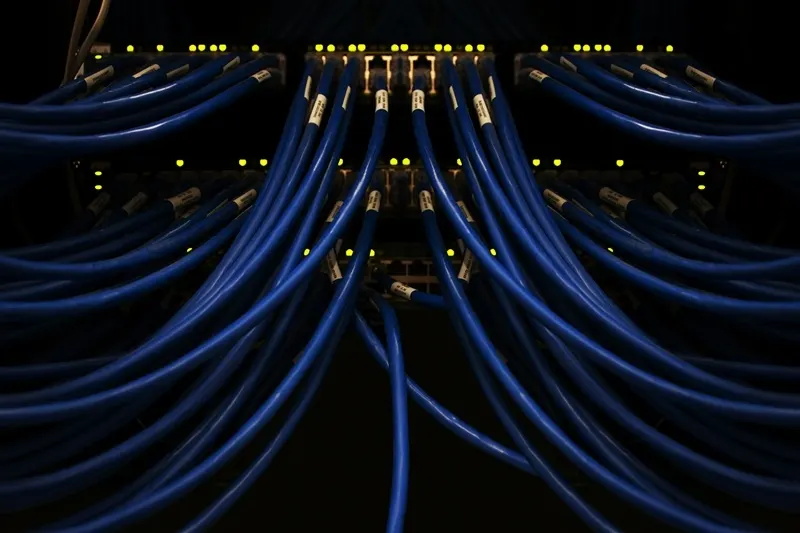
South Korea Builds 1MVA UPS Safety Test Site for Data Centers
Korea Electrical Safety Corporation has finished a test building for 1MVA lithium-ion UPS units as data centers multiply and battery fire risks grow.
 SUMO· the number puzzle
 Dialo· learn languages by speaking
 ediviewer· read EDI files like documents
 giftdetect· the right gift in minutes
The Korea Electrical Safety Corporation has completed a test building for large 1MVA-class uninterruptible power supplies (UPS) and is pushing ahead with domestically developed, safety-enhanced units, as data center growth drives up power demand and the use of lithium-ion batteries.
Lithium-ion batteries pack more energy into less space than lead-acid ones, but existing UPS safety standards were written mainly around lead-acid batteries. They do not fully reflect lithium-ion characteristics, which has made battery fires and electrical faults a pressing concern. The project therefore develops system-level safety technology that considers the battery and the power conversion equipment together.
A 29.48 billion won program
The project, "Risk Assessment and Safety Technology Development for High-Capacity, High-Output 1MVA UPS," is backed by the Ministry of Climate, Energy and Environment and the Korea Institute of Energy Technology Evaluation and Planning. It runs from April 2024 to December 2027 with 13 participating organizations, including Sebang Electric and the Korea Institute of Energy Research, and a total budget of 29.48 billion won.
It has three strands. Sebang Electric is developing a 1MVA modular UPS reference model and a high-safety battery system, with protection against nine electrical hazards such as DC short circuits, ground faults, leakage current, insulation resistance, surges and ground potential. The safety corporation is building system-level performance verification and an evaluation system. The energy research institute is creating an operating program and real-time diagnosis and control based on simulated accident data.
Testing real fault conditions
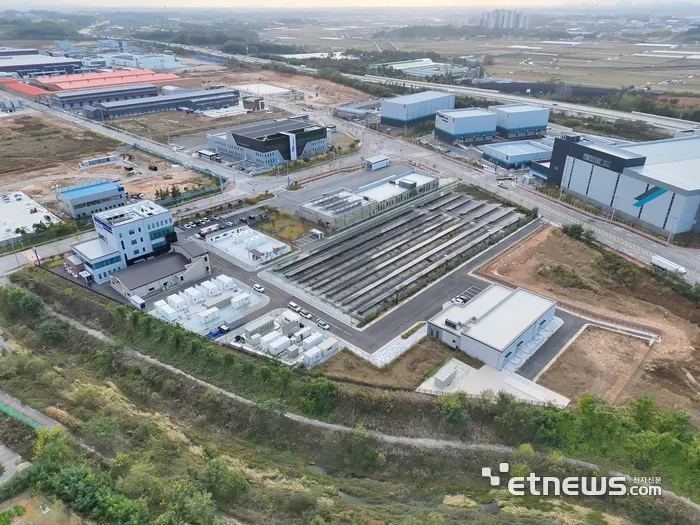
The evaluation building in Wanju County, North Jeonbuk, was completed in April 2026 at a cost of 3.72 billion won, funded by the provincial government and Wanju County. Test equipment is being installed to apply ground faults, short circuits, surges and power-quality disturbances, and to check whether protection functions work, including the interaction between the UPS, batteries and protective devices.
The team is also developing early detection of battery degradation and anomalies, with operating procedures for normal, abnormal and emergency states and AI-based anomaly detection aimed at spotting fire or outage risks in advance.
Next year, the test facilities, evaluation system and control technology are due to feed into integrated demonstrations. The accumulated data will be used to refine evaluation procedures and firm up safety standards for real data center environments.
Apps worth a look
SUMO: the number puzzleTap the right tiles, add them up, hit the target. Easy to learn, hard to master. Free, for all ages.
Dialo: learn languages by speakingTalk to an AI conversation partner; every sentence comes back corrected and explained in your language. 9 languages, A1 to C2.
ediviewer: read EDI files like documentsOpen EDIFACT and X12 messages, see every segment explained, convert to JSON/XML, export PDF and Excel. Runs locally, no upload.
giftdetect: the right gift in minutesPick who it is for, the occasion and their personality. The search engine reads product descriptions from local shops and ranks what fits. Free, no sign-up.
More from this day
See all →
Notion AI chats stolen in breach at vendor Fireworks AI
Heal.dev raises €4M for AI agents that hunt app vulnerabilities

AFINIT Wins Patent for Generative AI Loan Screening Method