Solar LEGO: Eindhoven's colourful blocks that generate power
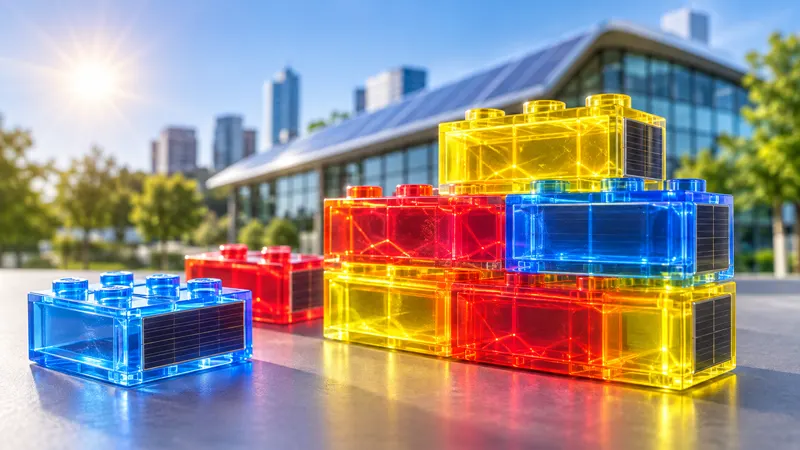
Researchers at TU Eindhoven built red and yellow bricks that soak up light and feed it to tiny perovskite cells. First stop: toy construction sets.
 SUMO· the number puzzle
 Dialo· learn languages by speaking
 ediviewer· read EDI files like documents
 giftdetect· the right gift in minutes
Researchers at Eindhoven University of Technology (TU/e) have made solar building blocks that look like LEGO bricks and produce electricity. The project is called L.E.G.O., short for Luminescent Electricity Generating Objects. Yes, the name is a bit of a stretch.
How do the solar LEGO blocks work?
The prototypes are red and yellow and made of a clear polymer mixed with fluorescent dyes. The dyes absorb certain wavelengths of incoming light and re-emit it at a longer wavelength. Because of total internal reflection, that glow bounces around inside the block and ends up at its edges, where perovskite solar cells are attached to catch it.
The design works with scattered daylight and artificial light, not just direct sun. Colour matters too: project leader Martijn van Best estimates that red blocks should be more efficient than blue ones.
Efficiency is low, and that is the plan
The expected efficiency is below 10 percent, well behind ordinary silicon panels. The team does not treat that as the main goal. The idea is to put power generation into things that do other jobs anyway: bus stops, park benches, noise barriers. A block like that could run LED lighting or an information display.
The project is early. So far the team has made experimental red and yellow samples from PDMS, a transparent silicone polymer, and built computer models to predict optical behaviour. They are now studying how connecting and stacking several blocks changes the way light travels and how much power comes out. Fitting the solar cells and electrical contacts is also still being worked out.
Where will it show up first?
The first planned use is SparkBlocks, educational construction kits made with the Canadian company Block&Code. The solar blocks would replace the battery modules in today's kits and power small electronic gadgets.
After that, the team wants to scale the pieces up to real building bricks and test them in buildings and city infrastructure. Commercial timelines and final specifications have not been set.
Apps worth a look
SUMO: the number puzzleTap the right tiles, add them up, hit the target. Easy to learn, hard to master. Free, for all ages.
Dialo: learn languages by speakingTalk to an AI conversation partner; every sentence comes back corrected and explained in your language. 9 languages, A1 to C2.
ediviewer: read EDI files like documentsOpen EDIFACT and X12 messages, see every segment explained, convert to JSON/XML, export PDF and Excel. Runs locally, no upload.
giftdetect: the right gift in minutesPick who it is for, the occasion and their personality. The search engine reads product descriptions from local shops and ranks what fits. Free, no sign-up.
More from this day
See all →
Tesla Cybertruck is ending: sales fell from 14,416 to 3,744 a quarter

Rakuten Securities data breach may affect up to 11.25M accounts

Windows 11 Remote Lock bricks stolen laptops without wiping files

Fugaku supercomputer hacked: data of 4,000+ researchers at risk
More in: Hardware
See all →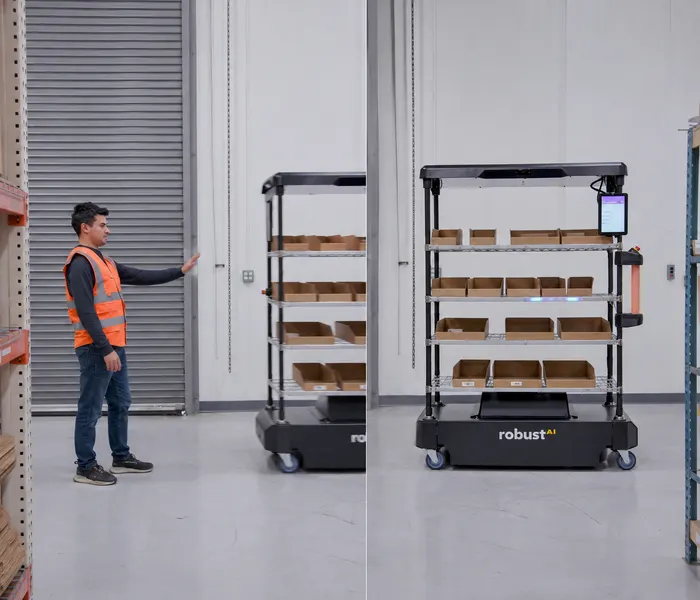
Robust AI's Carter robot comes to you when you wave at it

SwitchBot KATA Friends mini: a fluffy AI pet that runs your home
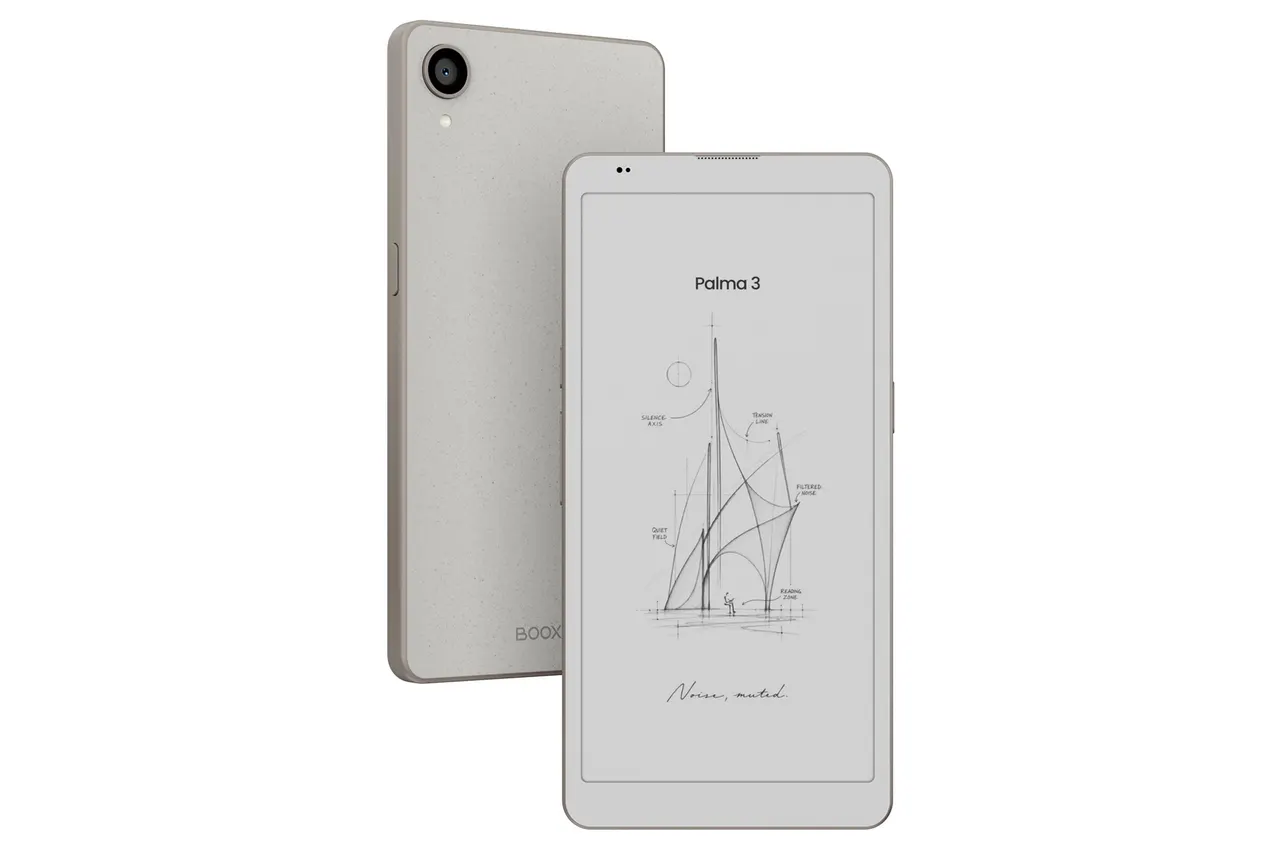
BOOX Palma 3: a phone-sized e-ink Android device for ¥54,800