SoftBank CEO Miyakawa: AI-Driven Attacks Beyond Human Response
SoftBank's Junichi Miyakawa apologized for the IDC Frontier breach and said endless AI-found vulnerabilities leave the company exhausted and unable to keep up by hand.
 SUMO· the number puzzle
 Dialo· learn languages by speaking
 ediviewer· read EDI files like documents
 giftdetect· the right gift in minutes
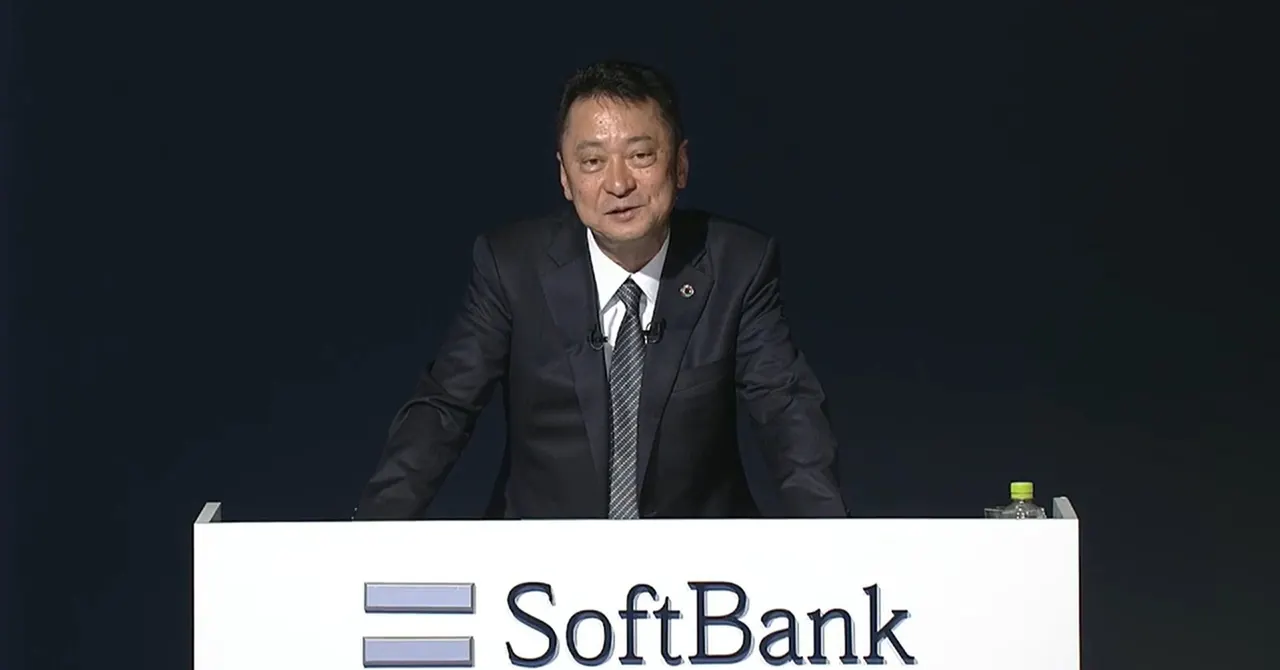
SoftBank President Junichi Miyakawa apologized on November 9 for a security lapse at subsidiary IDC Frontier, calling it "deeply regrettable." Speaking at an earnings briefing, he also said the company is "completely worn out" by a stream of newly discovered vulnerabilities as AI advances.
What happened at IDC Frontier
On October 7, an attacker exploited a flaw in open-source software used for authentication in the IDCF Cloud service and broke into the system. Some servers used by 495 companies and local governments were halted or encrypted.
SoftBank had scanned its in-house applications and applied patches, but had not assessed the open-source component that was hit. The group is now extending checks to open-source software, going beyond the roughly 1,800 systems covered before.
Attacks are accelerating
According to the company, reconnaissance activity that precedes attacks has surged. It averaged about 300 million events a month in 2025 and has doubled to 600–700 million recently, rising by about 100 million each month since August. Miyakawa believes AI is being used in these attacks and linked the rise to open-weight models such as Moonshot AI's Kimi and Alibaba's Qwen, which began appearing around July. He said new models now arrive on a weekly cycle.
AI-based scanning keeps uncovering more flaws. In June SoftBank scanned about 700 of its systems with AI, found roughly 10,500 vulnerabilities and spent about three months patching them all. A rescan with OpenAI's GPT-6 Astra then found about 35,000. "Almost every time a new model comes out, we find new vulnerabilities," Miyakawa said, adding that he is exhausted but keeps patching.
Shift to automated defense
Because attacks are so fast, he said, "human hands may not be able to keep up." Instead of investigating and deciding a response in a meeting, SoftBank now cuts the connection first and handles the problem afterward.
Scanning and patching are already automated, but checking that systems run normally afterward still needs people. Miyakawa said he wants to automate that verification within the current fiscal period.
Apps worth a look
SUMO: the number puzzleTap the right tiles, add them up, hit the target. Easy to learn, hard to master. Free, for all ages.
Dialo: learn languages by speakingTalk to an AI conversation partner; every sentence comes back corrected and explained in your language. 9 languages, A1 to C2.
ediviewer: read EDI files like documentsOpen EDIFACT and X12 messages, see every segment explained, convert to JSON/XML, export PDF and Excel. Runs locally, no upload.
giftdetect: the right gift in minutesPick who it is for, the occasion and their personality. The search engine reads product descriptions from local shops and ranks what fits. Free, no sign-up.
More from this day
See all →
NTT Data Breach Exposes 80,000 Sumitomo Life Vitality Users
LINE Yahoo Launches Agent i App for Phones and Tablets
Kaspersky: Fake Cosmetics Store Bonuses Used to Steal Messenger Accounts