Sega Fave Cyberattack Knocks Arcade Machines Offline Across Japan
A breach at Sega subsidiary Sega Fave has cut online services on arcade cabinets across Japan since 1 November, hitting Sega and Bandai Namco games alike.
 SUMO· the number puzzle
 Dialo· learn languages by speaking
 ediviewer· read EDI files like documents
 giftdetect· the right gift in minutes
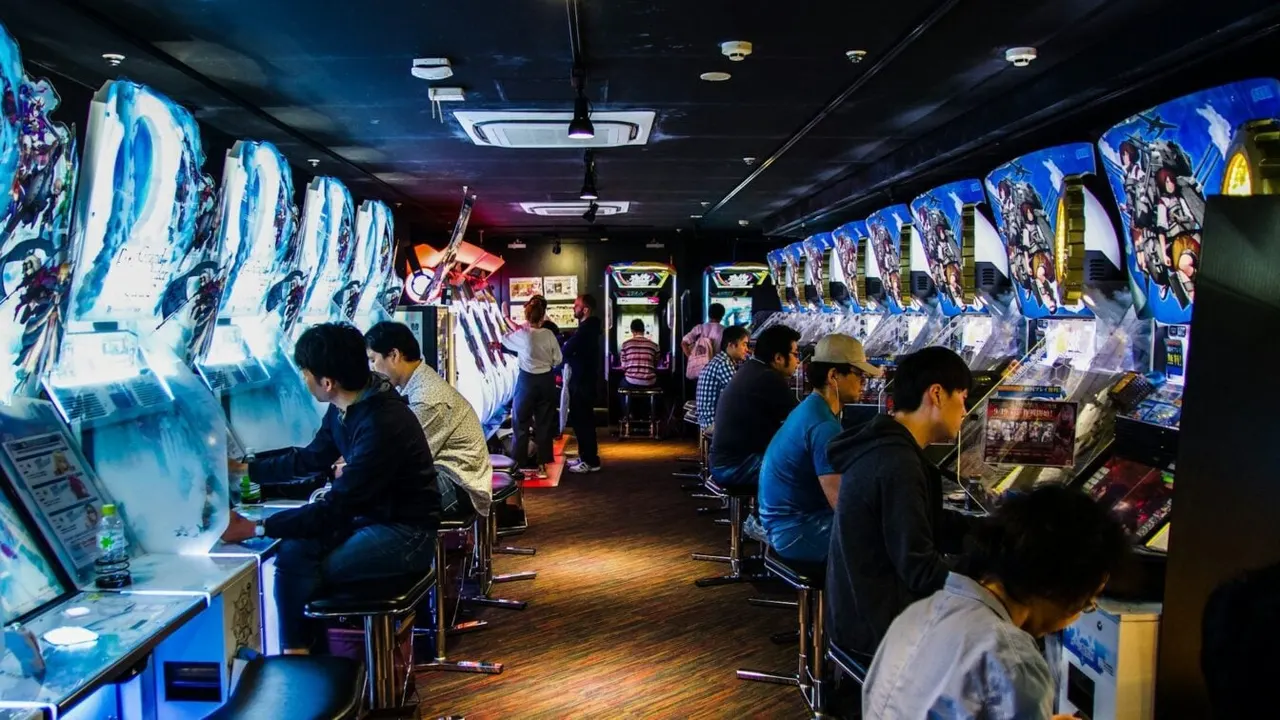
Arcade machines across Japan have been partly or fully unusable since 1 November after hackers gained access to servers run by Sega Fave, the Sega subsidiary that manages arcade cabinets and toys in the country. The company described the incident as "unauthorized access by a third party."
The compromised servers run ALL.Net, the network that connects Sega cabinets to the internet, and Aime, the company's player card system, which carries scores, rankings and items from one machine to another. As a precaution, Sega Fave shut both services down. Players cannot go online, use Aime cards or create new SEGA ID accounts, and websites listing arcades with connected machines are down too.
Sega and Bandai Namco titles affected
Sega games such as Initial D The Arcade, maimai and CHUNITHM are hit. Because other publishers also use ALL.Net, Bandai Namco titles including Mario Kart Arcade GP DX, Taiko no Tatsujin and Mobile Suit Gundam Extreme Vs. are affected as well. For some games, even offline play stopped working. Some venues, such as WGC, switched off their Taiko no Tatsujin cabinets, and tournaments including the Initial D Double Ace Cup were cancelled.
According to Sega Fave's initial findings, no customer or partner information leaked. Payment data, including card numbers, sits on separate servers and was not touched. On 6 November the company said it was working to restore services but had no restart date. Since 8 November, eight Bandai Namco games, Mario Kart Arcade GP DX among them, have gradually come back, while Sega's titles remain offline.
A wider wave of attacks
The incident comes amid a surge of attacks in Japan. Trend Micro counted more than 600 intrusions against Japanese companies and local authorities between January and September 2026, more than in all of 2025. Victims include Lawson, Times Car and Capcom, where data from 11.7 million accounts was stolen. GMO Internet received a $50 million ransom demand.
Prime Minister Sanae Takaichi called the situation serious and promised to use "the full force of the government." The government has adopted an emergency cybersecurity plan that includes a public-private rescue team to assist companies under attack. Authorities are urging firms to patch flaws quickly, enforce two-factor authentication and tighten oversight of subcontractors, a weak link hackers exploit.
Apps worth a look
SUMO: the number puzzleTap the right tiles, add them up, hit the target. Easy to learn, hard to master. Free, for all ages.
Dialo: learn languages by speakingTalk to an AI conversation partner; every sentence comes back corrected and explained in your language. 9 languages, A1 to C2.
ediviewer: read EDI files like documentsOpen EDIFACT and X12 messages, see every segment explained, convert to JSON/XML, export PDF and Excel. Runs locally, no upload.
giftdetect: the right gift in minutesPick who it is for, the occasion and their personality. The search engine reads product descriptions from local shops and ranks what fits. Free, no sign-up.
More from this day
See all →
Smartphone Makers Turn to Reballed DRAM as Memory Prices Climb

OpenAI raises $11 billion at $1.25 trillion valuation
Samsung Tests Paid Galaxy AI Premium Subscription for Phones
RealWorld Unveils DexBench to Benchmark Robot Hand Dexterity
More in: Security
See all →
Shinhan and Hana Bank Offer Minimal Relief After Data Breach
Muji Online Store Reopening Delayed After Credential Attack
Vanderbilt University Hit by Suspected Ransomware Attack