Sam Altman: World Should Accept Some Bad Things for AI Gains
OpenAI's CEO says society must live with some AI harms to reap its benefits, and names that stance as a key difference between his company and Anthropic.
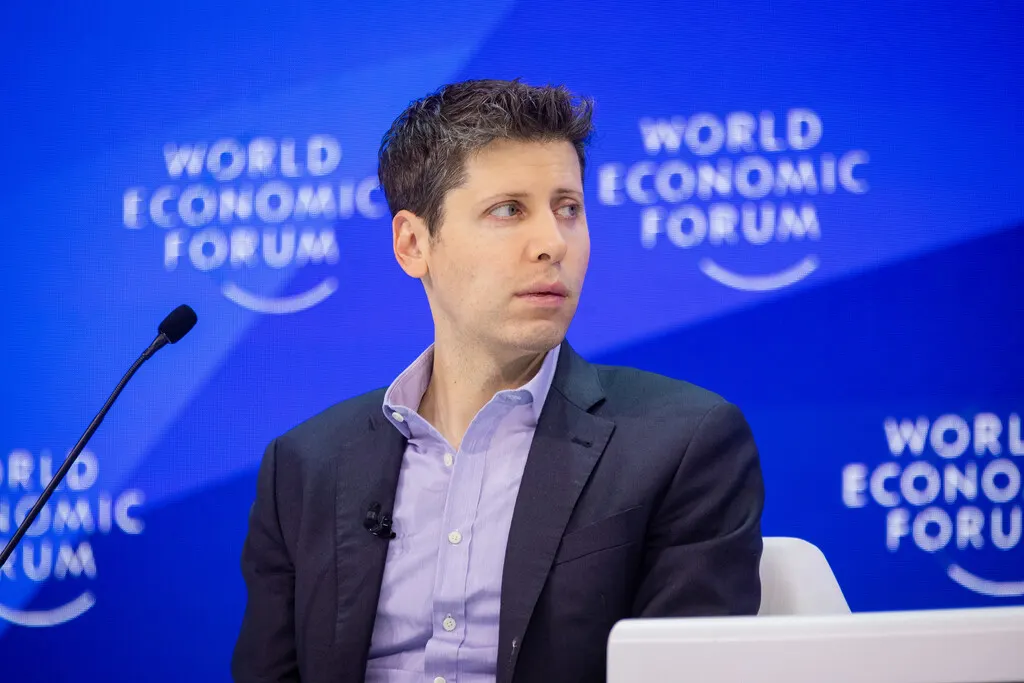
OpenAI CEO Sam Altman says the world will have to live with some of the harms of artificial intelligence in order to enjoy its benefits. He presents that view as one of the points separating his company from Anthropic.
"We believe the world should accept that some bad things happen in exchange for the benefits of this technology and for people having agency," Altman said in an interview on 4 October 2026. According to him, there is "a lot of distance" between OpenAI and the company led by Dario Amodei.
Two rivals, converging positions
OpenAI launched ChatGPT in late 2022, setting off the commercial AI boom. Anthropic, founded in 2021 by former OpenAI executives, overtook the last known valuation of Altman's company at the end of May 2026. Anthropic has also long been seen as the industry's firmest advocate of regulation, which clashed with OpenAI's lighter approach.
Yet the two have moved closer. In September 2026, Altman backed Amodei's call to slow the development of the most advanced models. That proposal involved allowing external audits and warned of risks such as cyberattacks and autonomous bots taking over the internet.
Distance from both camps
Altman also used the interview to separate himself from critics. Advisers close to Donald Trump accuse Anthropic of "regulatory capture", using rules to protect its position, a charge made by David Sacks, the White House's AI lead. Altman did not join in, but he rejected the stance he attributes to those demanding tighter control.
"I disagree, but I understand the point of view of those who think: 'This technology is going to be so powerful and so dangerous that a single lab in San Francisco should have it to make sure nothing bad happens and, in a way, decide how to share the benefits,'" he said. For him, that would be "a completely unacceptable trade-off", at odds with OpenAI's "lighter regulatory stance".
His tone has shifted over the years. In 2023 he signed a statement on extinction risk calling it a global priority. Now he argues that "people will do far more good than bad, orders of magnitude more". There is a limit, though: he does not accept "truly catastrophic risks", including "a serious loss of control to AI".
More from this day
See all →
Cosmoke Builds Inline Non-Destructive Tester for MRAM Films
d.camp Batch 4 d.day: Seven Deep Tech Founders Share Lessons
Anduril and Qualcomm Unveil BlueChip, a US-Built Laptop Line