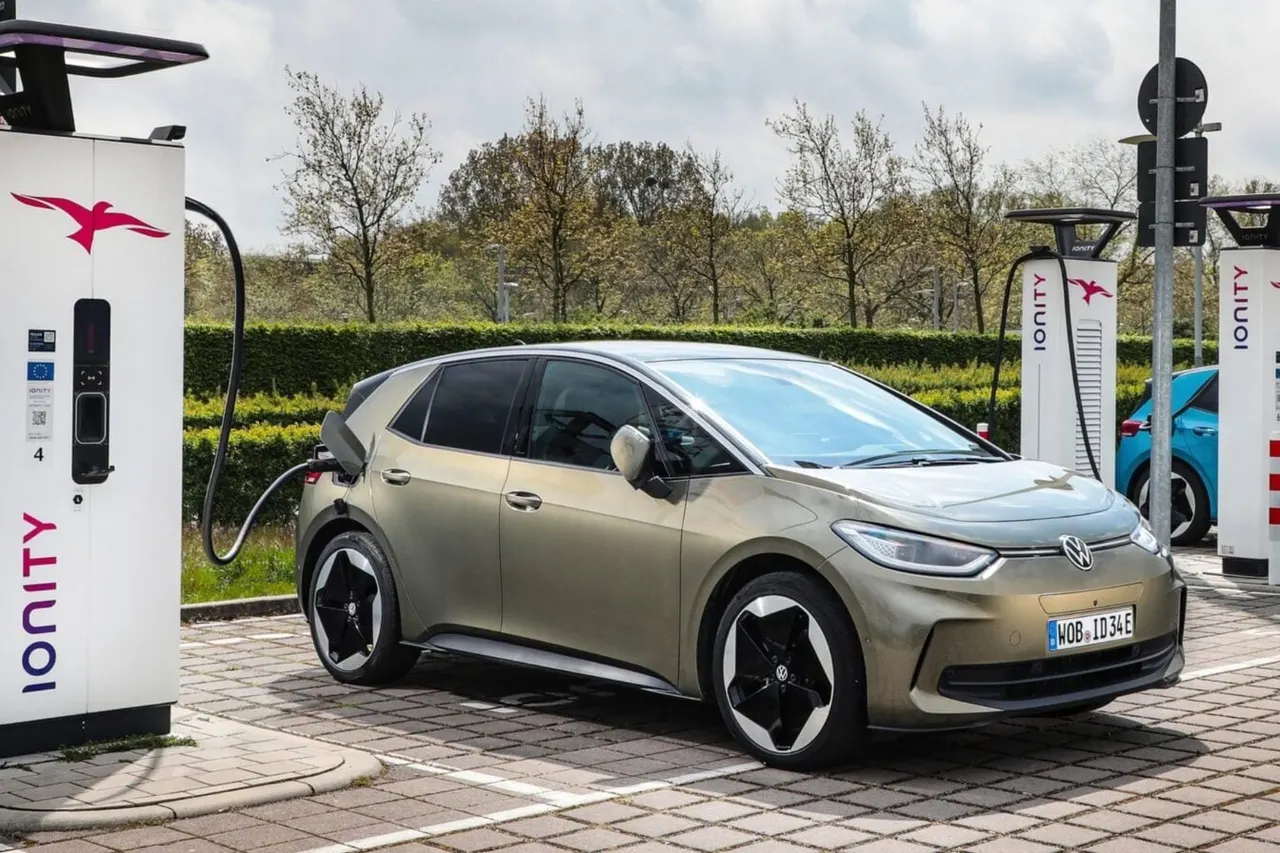
RWTH Aachen Study: Chinese EV Motors Differ in Details, Not Design
RWTH Aachen analysed 115 traction motors from 80 Chinese-market cars. The basic architecture matches Western designs, but magnesium housings and thinner laminations stand out.
 SUMO· the number puzzle
 Dialo· learn languages by speaking
 ediviewer· read EDI files like documents
 giftdetect· the right gift in minutes
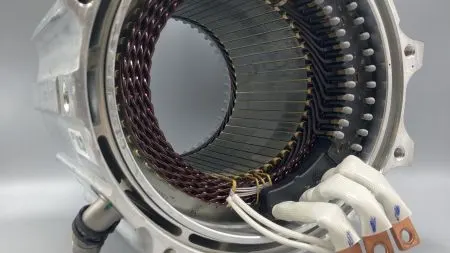
Researchers at RWTH Aachen have evaluated 115 electric traction motors from 80 vehicles sold in China and compared them with older data on European and US drives. The cars span model years 2019 to 2025. The basic architecture is similar in all three markets; the differences lie in materials and detailed design, most visibly in the housing: magnesium turned up only in drives from Chinese manufacturers.
The paper, "Review and Benchmarking of Electric Motor Product Design and Manufacturing Technologies from the Chinese Market", was published on 6 November in the journal Energies. The data come from the DARWIN benchmarking database of Movo Autodatas Technology GmbH, supplemented by literature, patents and teardowns at the university's PEM chair. It is not a test-bench comparison, so it offers no efficiency or consumption figures. The sample is also not statistically representative, and the reference set contains 48 motors from 31 vehicles of model years 2018 to 2023. Trends are visible; verdicts such as "Chinese motors are more efficient" are not.
Magnesium, thinner steel, magnets
European and US drives mostly still use aluminium housings, while some Chinese makers use magnesium, which is said to save roughly 20 to 30 percent of housing weight. New alloys and improved casting have eased earlier problems with corrosion and consistency, the authors say. Whether the pricier material pays off at vehicle level remains open. China also supplies more than 80 percent of primary magnesium, which the authors see as a supply-security risk.
Electrical steel is getting thinner across markets: the average is 0.27 millimetres, with 0.25 likely to become the standard for 2024 and 2025, against 0.30 in the older study. Thinner sheets cut frequency-dependent iron losses but demand more careful manufacturing. The average stator weighs just under 20 kilograms, from 10.24 kg in the BYD Seagull's front motor to almost 36 kg in the Nio ET7's rear motor.
Of the 115 motors, 95 are permanent-magnet synchronous machines and 20 are induction motors; no electrically excited synchronous machines appeared. The authors link this partly to China's secure access to rare-earth magnets. Integrated drives combining motor, gearbox and power electronics dominate from model year 2022, and a cited forecast expects 3-in-1 units to reach 66 percent of the Chinese market by 2037.
Apps worth a look
SUMO: the number puzzleTap the right tiles, add them up, hit the target. Easy to learn, hard to master. Free, for all ages.
Dialo: learn languages by speakingTalk to an AI conversation partner; every sentence comes back corrected and explained in your language. 9 languages, A1 to C2.
ediviewer: read EDI files like documentsOpen EDIFACT and X12 messages, see every segment explained, convert to JSON/XML, export PDF and Excel. Runs locally, no upload.
giftdetect: the right gift in minutesPick who it is for, the occasion and their personality. The search engine reads product descriptions from local shops and ranks what fits. Free, no sign-up.
More from this day
See all →


More in: Automotive
See all →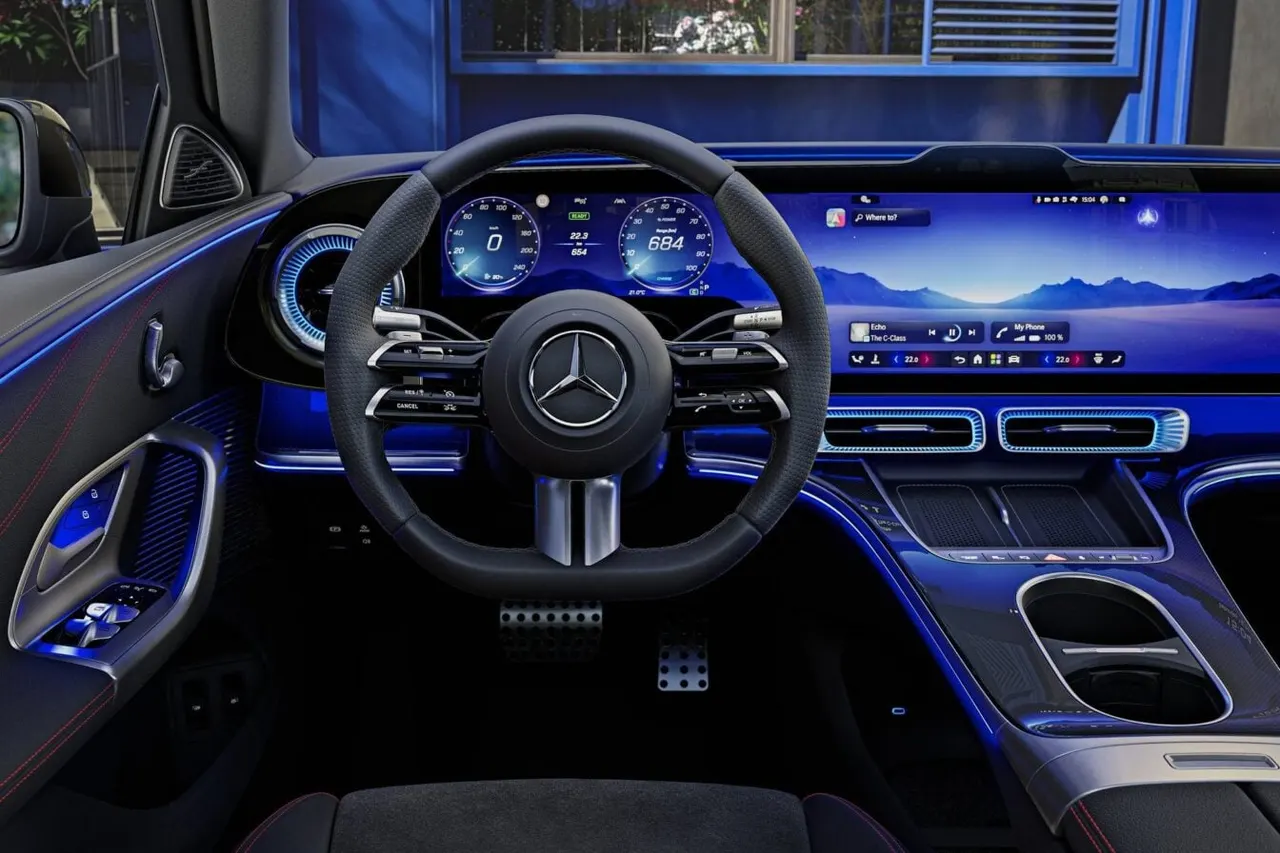
Mercedes Adds Offline In-Car AI Assistant Built With Liquid AI
BYD Blade 2.0 Battery Promises 10 to 97 Percent in 9 Minutes

PlugShare 8.0 Brings Dark Mode and a Full Redesign to iPhone