Ring doorbell camera rules in Germany: what you can film
A Ring doorbell costs under 50 euros, but hang it up carelessly in Germany and a neighbour's complaint could bring a fine. Here is what data protection rules allow.
 SUMO· the number puzzle
 Dialo· learn languages by speaking
 ediviewer· read EDI files like documents
 giftdetect· the right gift in minutes
A Ring doorbell is easy to buy and easy to install. Staying on the right side of German data protection law is the harder part, and a annoyed neighbour is all it takes to land you in trouble.
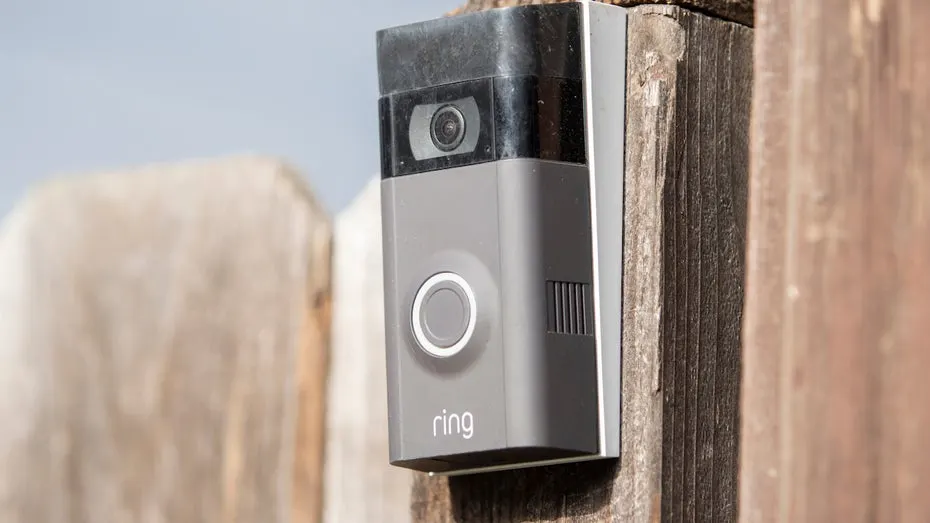
Smart doorbells are popular. On Amazon, the top three bestsellers in the doorbell category are Blink and Ring cameras, both Amazon's own brands. Cheaper models start below 50 euros. They film everyone who rings, head to toe, and some have a second camera pointed at the ground to catch package thieves.
Is a Ring doorbell legal in Germany?
In principle, yes, as long as you only film private areas of your own property that only residents enter. Courtyards and driveways that a parcel courier could walk onto count as public space under data protection law, so stricter rules apply there.
The camera must not capture other properties, flats or public streets, including the pavement. Visitors must be told beforehand, with a clearly visible sign placed ahead of the camera's range.
What does the camera have to do?
It may only record when there is a reason, for example when someone presses the bell. Permanent recording is not allowed. It also has to switch itself off again after a short time and may only cover the area in front of the door.
If public areas still show up in the picture, they must be blacked out in software, or blocked physically with a shield. A software blackout has to be impossible to undo later.
Ideally nothing is stored. Many products, Ring included, offer storage anyway. Then footage may only be kept as long as the purpose you set in advance requires. If you want to deter burglars or package theft, you should delete clips once no such incident has happened. The usual maximum is 72 hours.
What happens if you get it wrong?
According to the Hessian data protection commissioner, unlawful video surveillance is an administrative offence, and under Article 83(5)(a) of the GDPR it can bring a fine. The amount is decided case by case.
Authorities can order you to remove the device, and can enforce that by force if you refuse. People who were filmed may also claim damages. That becomes likelier if you post clips online to hunt for supposed thieves yourself.
Apps worth a look
SUMO: the number puzzleTap the right tiles, add them up, hit the target. Easy to learn, hard to master. Free, for all ages.
Dialo: learn languages by speakingTalk to an AI conversation partner; every sentence comes back corrected and explained in your language. 9 languages, A1 to C2.
ediviewer: read EDI files like documentsOpen EDIFACT and X12 messages, see every segment explained, convert to JSON/XML, export PDF and Excel. Runs locally, no upload.
giftdetect: the right gift in minutesPick who it is for, the occasion and their personality. The search engine reads product descriptions from local shops and ranks what fits. Free, no sign-up.
More from this day
See all →
Comet 220P/McNaught suddenly got 1,000 times brighter. Here's why

Coral Hart used AI to write 370 books in 20 months

WhatsApp Zaps: self-deleting photos and videos for any chat

Green SM taxis: Karnataka halts new registrations, eyes mandatory meters
More in: Security
See all →
NoisyTCP Linux bug can crash a server remotely, no login needed

Artex AI hacking tool: FBI says it breaches networks in under three hours

Estonia's digital exile government: running the state from abroad