Releaf Turns Urban Fallen Leaves Into Paper and Packaging Fibre
Paris-based, Ukrainian-founded Releaf converts city leaf waste into fibres that fit existing paper mills, working with French paper groups and German cities.
 SUMO· the number puzzle
 Dialo· learn languages by speaking
 ediviewer· read EDI files like documents
 giftdetect· the right gift in minutes
Paris-based startup Releaf, founded by Ukrainian entrepreneurs, is turning fallen leaves collected in cities into fibres for paper, packaging and other materials. Its aim is to give established paper producers an alternative raw material that runs on their existing machinery.
According to founder and CEO Valentyn Frechka, many alternative-material startups prove the science but stall at commercialisation. He says success depends on positioning and on proximity to raw materials and customers. Presenting yourself as a disruptor of large corporations with entrenched supply chains is, in his view, a difficult starting point. European buyers may also hesitate to rely on products made far away when geopolitics can disrupt supply.
Releaf first thought it would sell fibres directly. It found that customers further down the chain cared mainly about the finished product, so the company shifted to producing paper for converters, which make the final packaging.
Two processes, one waste stream
Releaf uses two technologies. A dry mechanical process creates a filler that can be added in existing paper machines. A chemical and thermal treatment with refining extracts short fibres that behave like cellulose fibres from trees.
Cities already collect leaves and usually compost or incinerate them. Compost has low economic value and can rely on public subsidies, while sand and minerals in leaves can damage boilers. Frechka says working with Releaf could cut municipal disposal costs by at least half. He estimates tens of thousands of tonnes could be available in Paris alone, depending on the collection area.
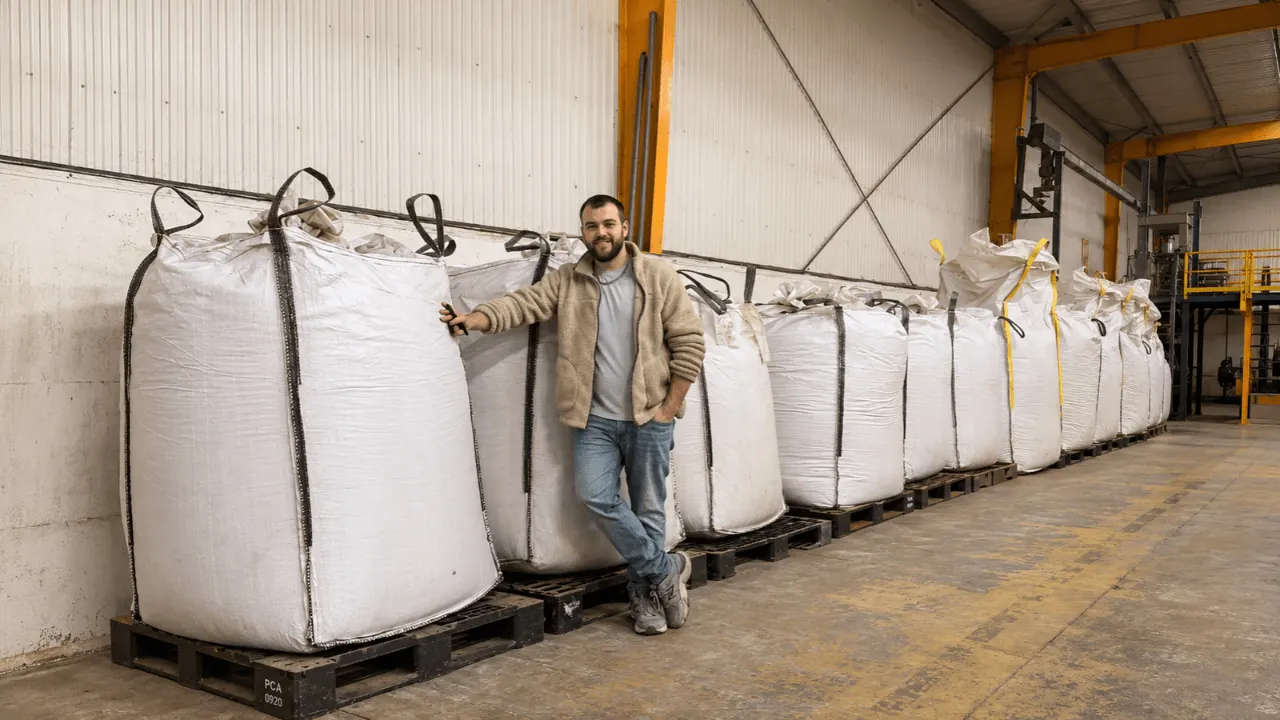
Because collection is seasonal, Releaf cleans the leaves, compacts them into bales and preserves them, storing about 400 kilograms per cubic metre. Last year it processed about 1,000 tonnes on its pilot line and expects roughly twice that next season.
Partners instead of paper mills
The company keeps its leaf-to-fibre technology in-house but relies on industrial partners to make finished materials, avoiding the heavy capital cost of building mills. It works with several French municipalities, has commitments with German cities, including exploratory work with a partner in Dortmund, and collaborates with three of France's largest paper groups. Uber Eats, Chanel, L'Oréal, Samsung and Rituals have tested its materials.
Frechka argues that a mill's willingness to use the material is itself validation that it works in existing infrastructure.
Apps worth a look
SUMO: the number puzzleTap the right tiles, add them up, hit the target. Easy to learn, hard to master. Free, for all ages.
Dialo: learn languages by speakingTalk to an AI conversation partner; every sentence comes back corrected and explained in your language. 9 languages, A1 to C2.
ediviewer: read EDI files like documentsOpen EDIFACT and X12 messages, see every segment explained, convert to JSON/XML, export PDF and Excel. Runs locally, no upload.
giftdetect: the right gift in minutesPick who it is for, the occasion and their personality. The search engine reads product descriptions from local shops and ranks what fits. Free, no sign-up.
More from this day
See all →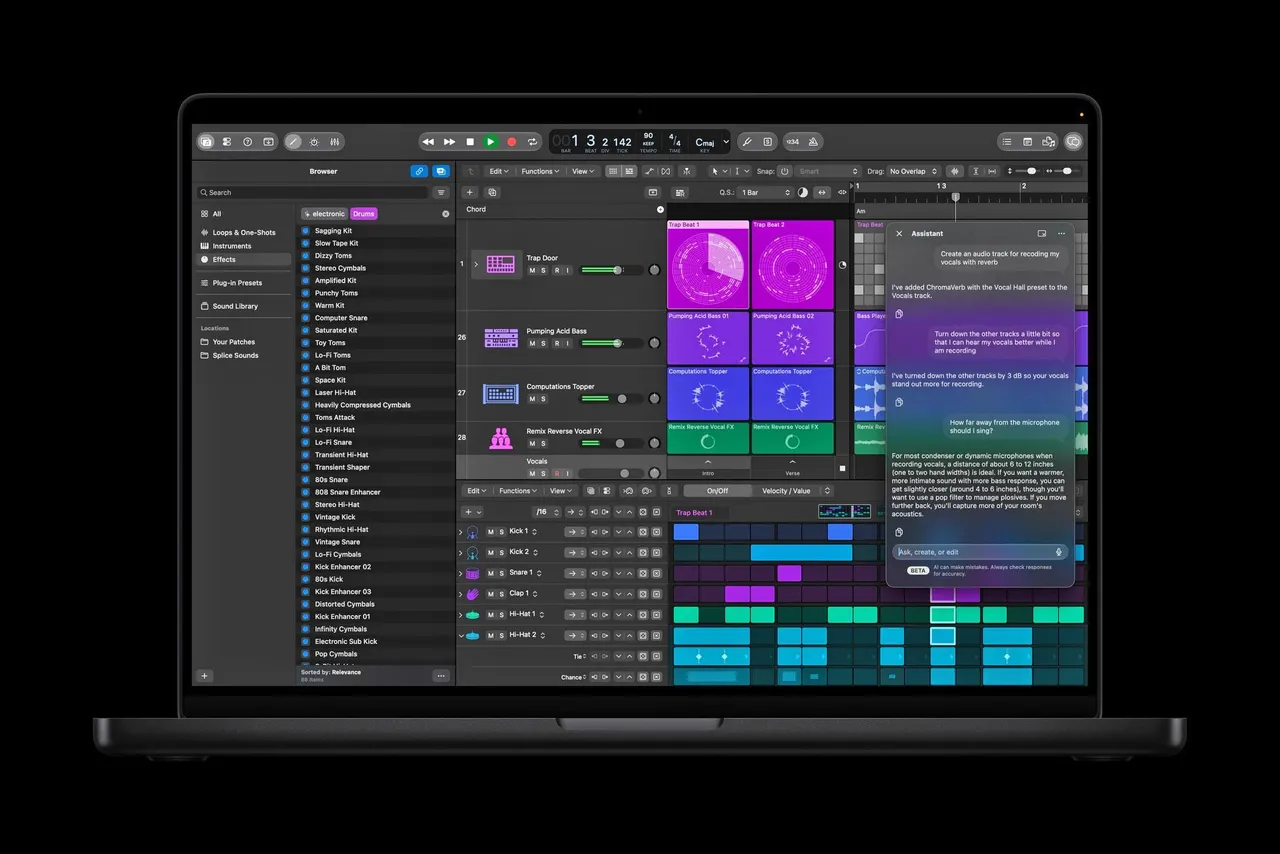
Apple Charges $49.99 for Intelligence Usage Packs in Logic Pro
Redalpine closes $250M RAC VIII fund for European startups

Valkyrie Dynamics Raises €1M for Drone Interceptor Radar