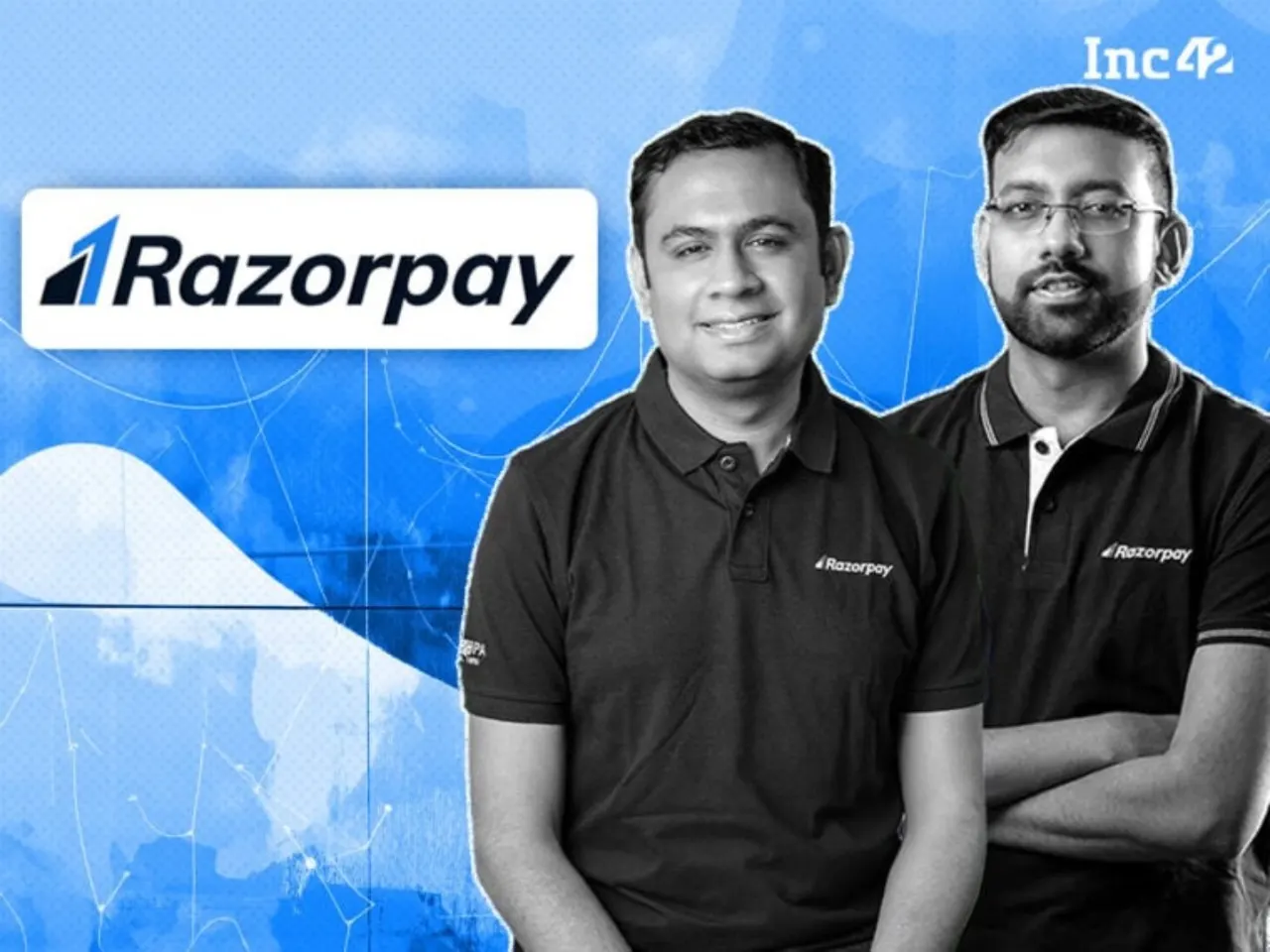
Razorpay cofounders lose bid to quash SFIO case before IPO
Karnataka High Court has refused to throw out the SFIO case against Razorpay's Harshil Mathur and Shashank Kumar, days after the fintech got SEBI's nod for its IPO.
 SUMO· the number puzzle
 Dialo· learn languages by speaking
 ediviewer· read EDI files like documents
 giftdetect· the right gift in minutes
The Karnataka High Court has refused to quash the SFIO case against Razorpay cofounders Harshil Mathur and Shashank Kumar. The timing is awkward: the fintech had just received final approval from SEBI, India's market regulator, for an IPO of roughly ₹5,000-6,000 crore.
In an order dated November 4, Justice M Nagaprasanna said the allegations raise disputed questions of fact that can only be sorted out at trial. The matter is still at a nascent stage, the court said, so there was no reason to step in. The petition was dismissed and the proceedings against both executives continue.
What is the SFIO case against Razorpay's founders?
The Serious Fraud Investigation Office (SFIO) is looking into a network of 33 companies allegedly set up through dummy directors by Jilian Consultants India, a subsidiary of Fininty. One of them, Mad Elephant Network Technology (MENTPL), allegedly ran an illegal digital lending business through an NBFC, X10 Financial Services, using predatory and coercive recovery practices. The agency puts its wrongful gains at ₹56.63 crore.
Razorpay allegedly acted as the payment intermediary. The Additional Solicitor General, appearing for the SFIO, told the court that around ₹320 crore of MENTPL's transactions passed through it. Mathur, a whole-time director, and Kumar, managing director, are accused of lapses in merchant onboarding, KYC checks and monitoring, and of failing to show due care and diligence as directors under Section 166 of the Companies Act, 2013.
What did the cofounders argue?
They said the SFIO overstepped, since Razorpay was not among the 33 companies in the government's 2022 investigation order. They argued payment aggregators have no statutory duty to run full KYC, which they said falls to banks, and that simple negligence is not a crime. They also cited limitation, absence of criminal intent and no direct link to MENTPL.
The court pointed to Section 212(14) of the Companies Act, which allows prosecution of anyone directly or indirectly connected with the affairs of a company under investigation. It added that Razorpay's own role could emerge as the case moves forward, even though the company is not currently an accused.
What it means for the IPO
Razorpay pre-filed for the IPO earlier this year and is reportedly eyeing a listing between January and March 2027, at a valuation of around $5 billion. The issue is expected to mix fresh shares and an offer-for-sale. Details will come with its updated draft red herring prospectus.
Apps worth a look
SUMO: the number puzzleTap the right tiles, add them up, hit the target. Easy to learn, hard to master. Free, for all ages.
Dialo: learn languages by speakingTalk to an AI conversation partner; every sentence comes back corrected and explained in your language. 9 languages, A1 to C2.
ediviewer: read EDI files like documentsOpen EDIFACT and X12 messages, see every segment explained, convert to JSON/XML, export PDF and Excel. Runs locally, no upload.
giftdetect: the right gift in minutesPick who it is for, the occasion and their personality. The search engine reads product descriptions from local shops and ranks what fits. Free, no sign-up.
More from this day
See all →
FaceStealer: FBI says North Korea is targeting open-source developers
Claude now refuses to clone existing games, and it's catching legit projects
MeitY questions Pronto over filming home workers to train AI