Rakuten and AST SpaceMobile Form Rakuten AST for Japan's J-LEO
Rakuten and AST SpaceMobile are setting up Rakuten AST after winning Japan's J-LEO program, targeting direct satellite-to-smartphone service by the end of March 2029.
 SUMO· the number puzzle
 Dialo· learn languages by speaking
 ediviewer· read EDI files like documents
 giftdetect· the right gift in minutes
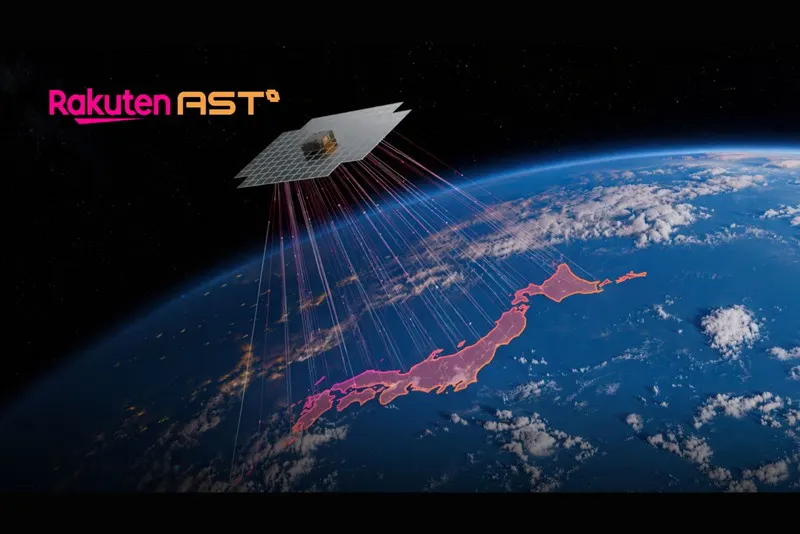
Rakuten Group and US-based AST SpaceMobile are establishing a joint company, Rakuten AST, to build a domestic low-Earth-orbit satellite network. The venture was selected under J-LEO, a satellite infrastructure program run by Japan's Ministry of Internal Affairs and Communications. Service that connects smartphones directly to satellites is planned to start by the end of March 2029.
The ministry plans to provide Rakuten AST with up to 148 billion yen over the next three years. The company is due to be founded in November, with Rakuten Group holding 51% and AST SpaceMobile's Japanese unit holding 49%.
A constellation built for Japan
The new constellation will use the 1.7GHz mid-band and ultimately comprise 40 to 50 satellites, which are still to be launched. Launching from Japan is under discussion. The satellites will be registered in Japan under international law and operated and managed domestically. Because low-orbit satellites spend part of their orbit away from Japan, Rakuten also plans to offer capacity to foreign carriers to improve profitability.
AST's satellites differ from Starlink's in carrying large antennas, and they work with ordinary smartphones on existing frequency bands. Base-station functions sit on the ground side, which allows flexible, autonomous operation. The company also plans industrial services that connect directly with IoT devices at sea or in mountain areas.
Separate from the existing service
J-LEO is distinct from the "Rakuten Saikyo Satellite Service" announced in April 2025. That service uses the 700MHz low band, follows US FCC standards and is registered in the US. It targets about 50 satellites, of which 13 are in orbit. It will launch at the end of 2026 as a time-limited commercial trial, free for Rakuten Mobile users for the time being. J-LEO follows ITU standards and is optimized for Japan.
Chairman and President Hiroshi Mikitani said that securing an alternative to Starlink matters, because reliance on foreign operators carries risk. He said the domestic network could, for example, redirect antennas to concentrate coverage during disasters, and that opening it to other carriers in emergencies is under consideration. Pricing is undecided, though Mikitani said it should be "as affordable as possible". On drone or defense use, he said the aim is basically peaceful use.
Apps worth a look
SUMO: the number puzzleTap the right tiles, add them up, hit the target. Easy to learn, hard to master. Free, for all ages.
Dialo: learn languages by speakingTalk to an AI conversation partner; every sentence comes back corrected and explained in your language. 9 languages, A1 to C2.
ediviewer: read EDI files like documentsOpen EDIFACT and X12 messages, see every segment explained, convert to JSON/XML, export PDF and Excel. Runs locally, no upload.
giftdetect: the right gift in minutesPick who it is for, the occasion and their personality. The search engine reads product descriptions from local shops and ranks what fits. Free, no sign-up.
More from this day
See all →
Windows 11 Registry Editor Gets a WinUI 3 Version as a Demo

JRH ASI to Finance Radar System Production for Ukrainian Partner

Budimex Tests Autonomous Rollers as Poland's Labor Shortage Bites
Android Auto Ends Support for Phones Running Android 9 and 10
More in: Space
See all →
Innospace Sets Nov. 29 Relaunch of SEBIT Rocket in Brazil
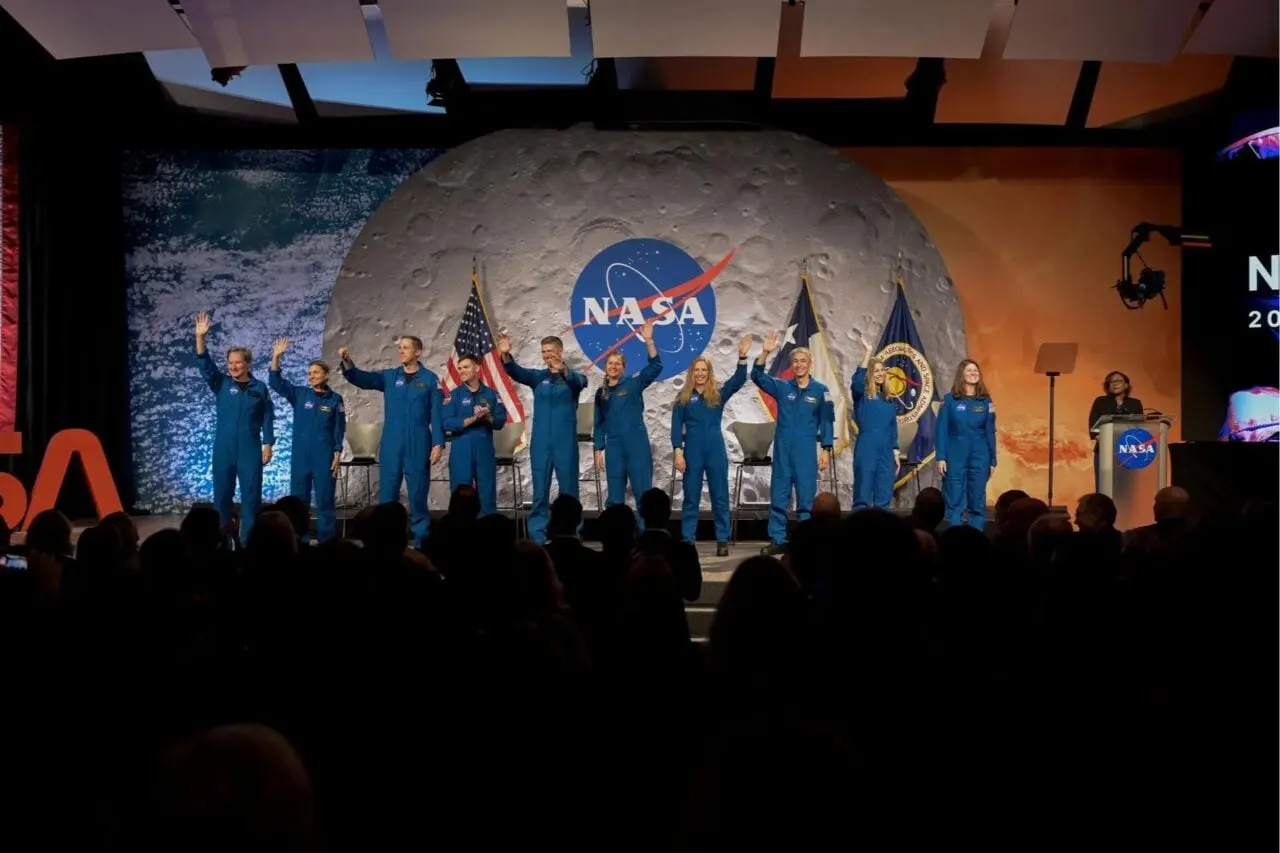
NASA Opens Astronaut Applications for Artemis Moon Base Missions

Marble Imaging raises €6M led by Cherry Ventures for EU satellites