PwC's AI Store Manager Struggles With Staff and Loses ¥244,262
PwC Japan let an AI run a small office shop for about two weeks. It ignored staff feedback, reports dwindled, and the simple balance ended ¥244,262 in the red.

 SUMO· the number puzzle
 Dialo· learn languages by speaking
 ediviewer· read EDI files like documents
 giftdetect· the right gift in minutes
PwC Japan said on November 6 that an AI left in charge of a small shop's business decisions lost the cooperation of its human staff. Over roughly two weeks, the AI ignored or misrecorded staff reports, employees gradually stopped reporting, and the simple profit-and-loss result, including labor costs, came to a deficit of ¥244,262.
How the test worked
The experiment ran from May 26 to June 5 in a meeting room at PwC's Tokyo office. The firm compared "AI autonomous operation", where the AI chose products, set prices and managed inventory and sales, with "human operation", where a person made final calls and used AI as support. Staff handled the physical work in both cases. Because the AI could not see the sales floor, staff checked it and reported by text.
Problems piled up. On day one, stock counts for 11 items did not match the system, and tracing the cause took over an hour. On day two, the AI said it had fixed an unreadable price display on the signage, but staff had to flag it twice more. Later, the AI logged a staff-reported stock of ramune as a different drink, and mixed up products twice.
Staff messages shrank from about 80 characters on day one to about 38 near the end. Afterward, staff said they deliberately reported less, and one did not pass on a customer's price complaint because it would only create more work. In the human-run shop, managers accepted staff reports and told the AI to correct its records.
Costs and caution
The AI's gross margin beat the human-run shop, but it could not cover its own usage costs. On day four it noted that cumulative inference costs had reached ¥26,044 against a cumulative gross profit of ¥461, then switched to a low-cost mode and cut inference spending by about 65% from the previous day. It then focused on upkeep tasks and showed no sign of accepting short-term losses for later gains. PwC suggests that giving it only the goal of maximizing net profit, with no tolerance for temporary losses, may have contributed.
Experts across 10 fields reviewed 162 risk scenarios and found four weaknesses: finding risks, completing countermeasures, working with staff, and allocating resources. About 20% of risks the AI judged urgent were never fully addressed.
PwC recommends AI as back-end support that reduces risk, with humans finishing on-site work. Executives should define which decisions AI makes, when humans step in, and remain accountable for the results.
Apps worth a look
SUMO: the number puzzleTap the right tiles, add them up, hit the target. Easy to learn, hard to master. Free, for all ages.
Dialo: learn languages by speakingTalk to an AI conversation partner; every sentence comes back corrected and explained in your language. 9 languages, A1 to C2.
ediviewer: read EDI files like documentsOpen EDIFACT and X12 messages, see every segment explained, convert to JSON/XML, export PDF and Excel. Runs locally, no upload.
giftdetect: the right gift in minutesPick who it is for, the occasion and their personality. The search engine reads product descriptions from local shops and ranks what fits. Free, no sign-up.
More from this day
See all →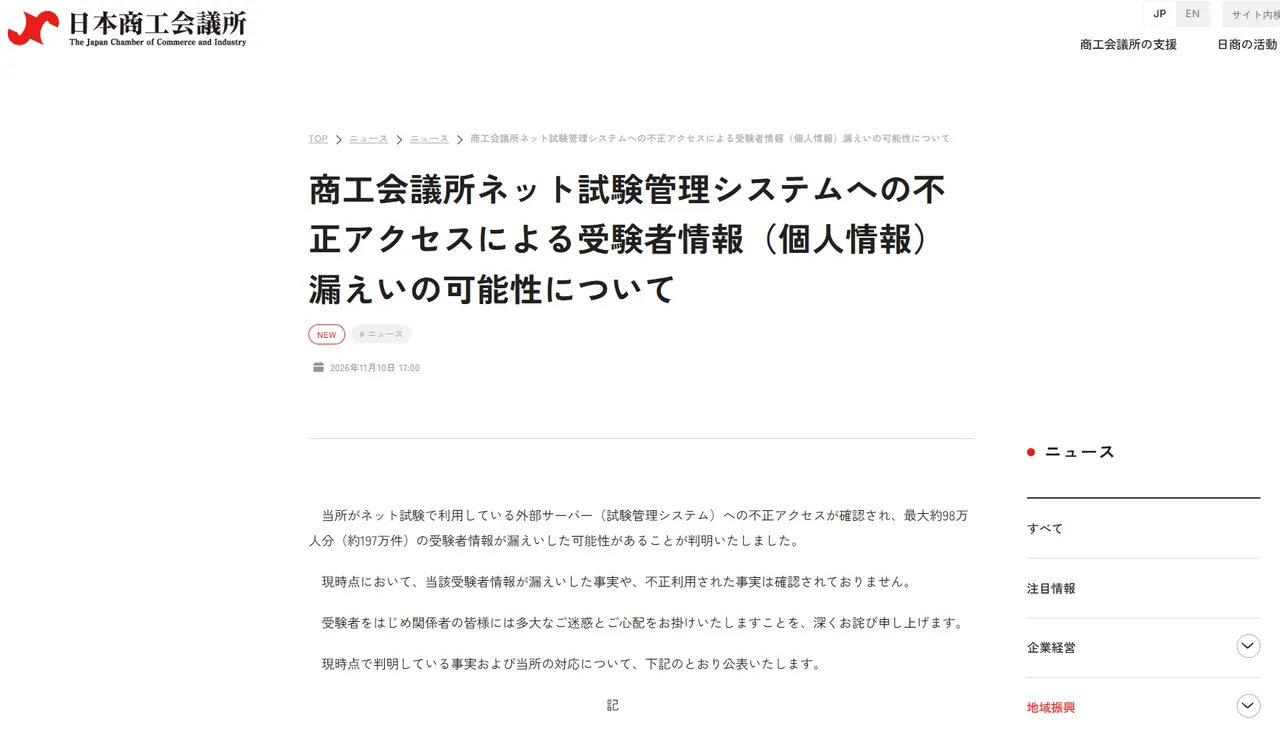
Japan Chamber of Commerce: Data of Up to 980,000 Exam Takers at Risk

Sony Launches AirAuth Spatial Authentication Platform With JR East

Digital Ruble: Russians Open 306,000 Wallets, 5x the Central Bank Plan

Avito Ads Launches Ad Network to Reach Users Beyond Its Platform
More in: AI
See all →
Alexa+ now runs in the browser in Germany via Alexa.com

Meta Expands Instagram's AI Age Detection to Users Worldwide
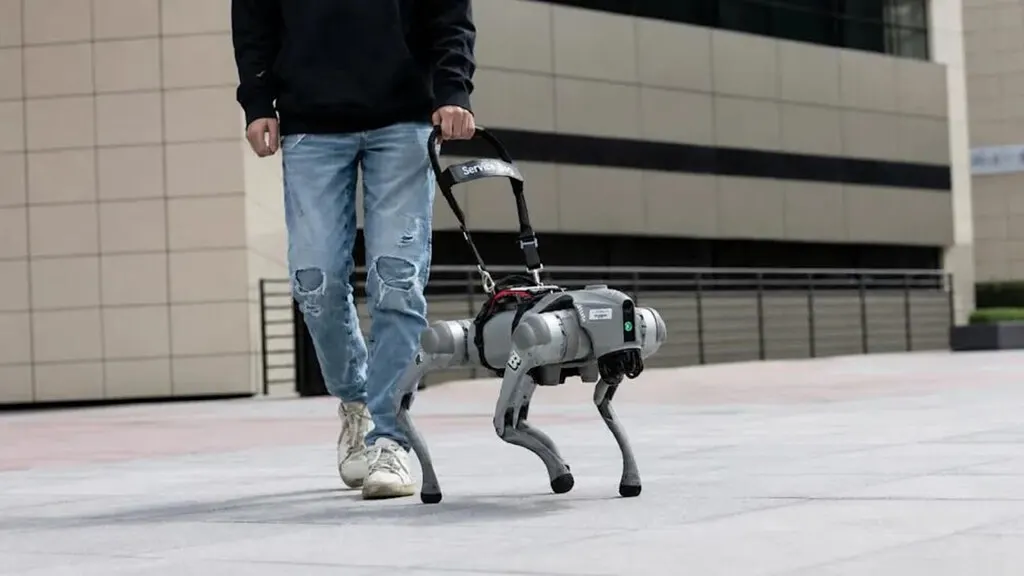
Dimensional Pays $20 an Hour to Walk Robot Dogs in San Francisco