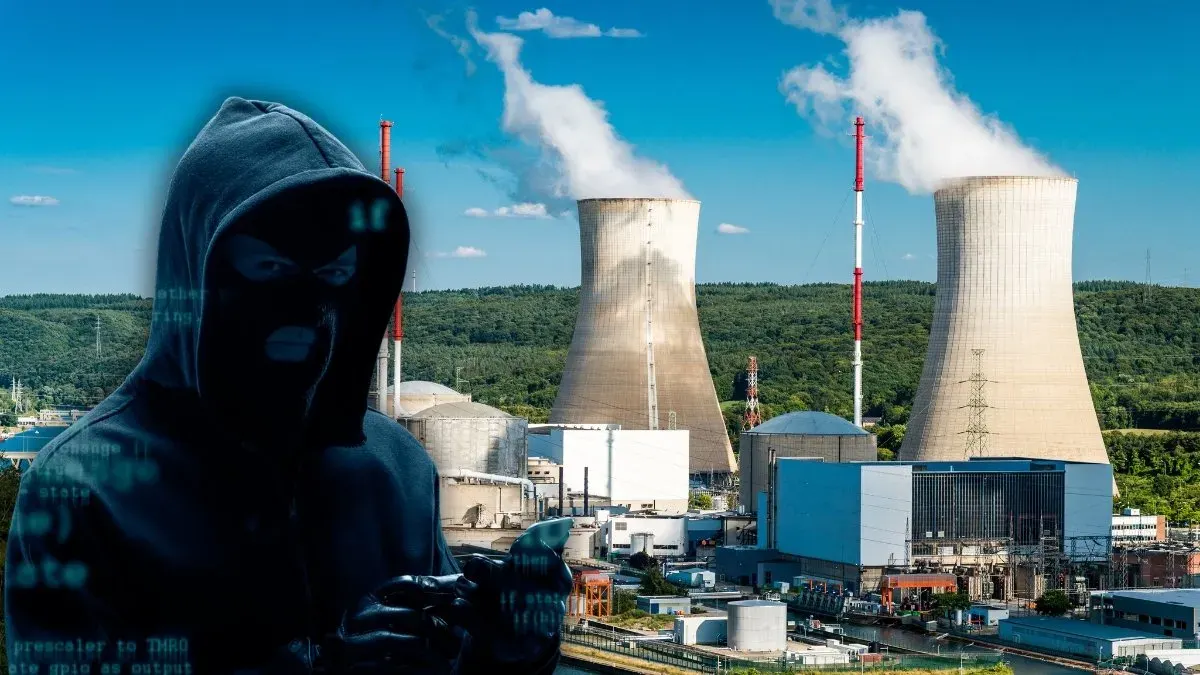
Poland creates CSIRT Energia to defend its energy grid
Poland's Energy Ministry has tasked grid operator PSE with building CSIRT Energia, a sector team to coordinate responses to cyberattacks on critical energy infrastructure.
 SUMO· the number puzzle
 Dialo· learn languages by speaking
 ediviewer· read EDI files like documents
 giftdetect· the right gift in minutes
Poland's energy sector is getting its own dedicated cyber incident response team. On 30 October, Energy Minister Miłosz Motyka and Grzegorz Onichimowski, president of grid operator Polskie Sieci Elektroenergetyczne (PSE), signed an agreement to set up CSIRT Energia inside PSE. The team will coordinate responses to threats against power plants, transmission grids, gas pipelines and other critical infrastructure.
According to the ministry, PSE will organise the unit, prepare a launch schedule and provide the tools and specialists it needs, while the ministry keeps oversight. The agreement starts the organisational process; no date for operational readiness has been announced. CSIRT Energia will be Poland's fifth sector-specific CSIRT, alongside teams covering finance, healthcare and digital infrastructure.
A wide remit
The ministry supervises nearly 1,200 entities in cybersecurity terms. The new team will cover every energy subsector named in the national cybersecurity act: electricity generation and transmission, heating, gas, oil, fuels and hydrogen, as well as electric-vehicle charging infrastructure and nuclear power projects.
A CSIRT does more than clean up after attacks. It detects suspicious activity, analyses vulnerabilities and warns other organisations. If an attacker exploits a flaw in one operator's equipment, other companies could be alerted faster and check their own systems.
Prompted by recent attacks
The decision follows a coordinated attack on 29 December 2025 that hit more than 30 wind and solar farms, a large combined heat and power plant and a manufacturing company. Analyses by CERT Polska found the operation was destructive rather than aimed at extorting a ransom. Attackers reached some industrial automation devices and disrupted communication with selected renewable farms, but did not halt generation or cause power outages. At the large heat and power plant, security systems stopped an attempt to run malware.
A supplementary CERT Polska report in August revealed that a second heat and power plant was also hit, with a brief halt to its cogeneration process; operators' response kept heat supplies running. Separately, an unauthorised person changed boiler settings at a heating plant in Ruciane-Nida, and prosecutors are investigating.
The ministry says national CSIRT teams handled almost 273,000 incidents in 2025, across all sectors. CSIRT Energia will not remove the risk of sabotage or replace technical safeguards, but as Poland's grid relies on more distributed, remotely controlled installations, faster sharing of threat information could matter as much as protecting any single plant.
Apps worth a look
SUMO: the number puzzleTap the right tiles, add them up, hit the target. Easy to learn, hard to master. Free, for all ages.
Dialo: learn languages by speakingTalk to an AI conversation partner; every sentence comes back corrected and explained in your language. 9 languages, A1 to C2.
ediviewer: read EDI files like documentsOpen EDIFACT and X12 messages, see every segment explained, convert to JSON/XML, export PDF and Excel. Runs locally, no upload.
giftdetect: the right gift in minutesPick who it is for, the occasion and their personality. The search engine reads product descriptions from local shops and ranks what fits. Free, no sign-up.
More from this day
See all →
Citus Demonstrates GPS-Free Firefighter Tracking, Eyes Military Use

Google Cloud expands CodeMender and AI agent security tools

Operation Ghostbusters: 830,840 Suspected Ghost Students Found