PHP critical security fixes: how serious after PHP2Shell?
PHP warned of critical flaws in every supported version, a month after PHP2Shell. The one known bug looks far less dangerous, but old servers are still exposed.
 SUMO· the number puzzle
 Dialo· learn languages by speaking
 ediviewer· read EDI files like documents
 giftdetect· the right gift in minutes
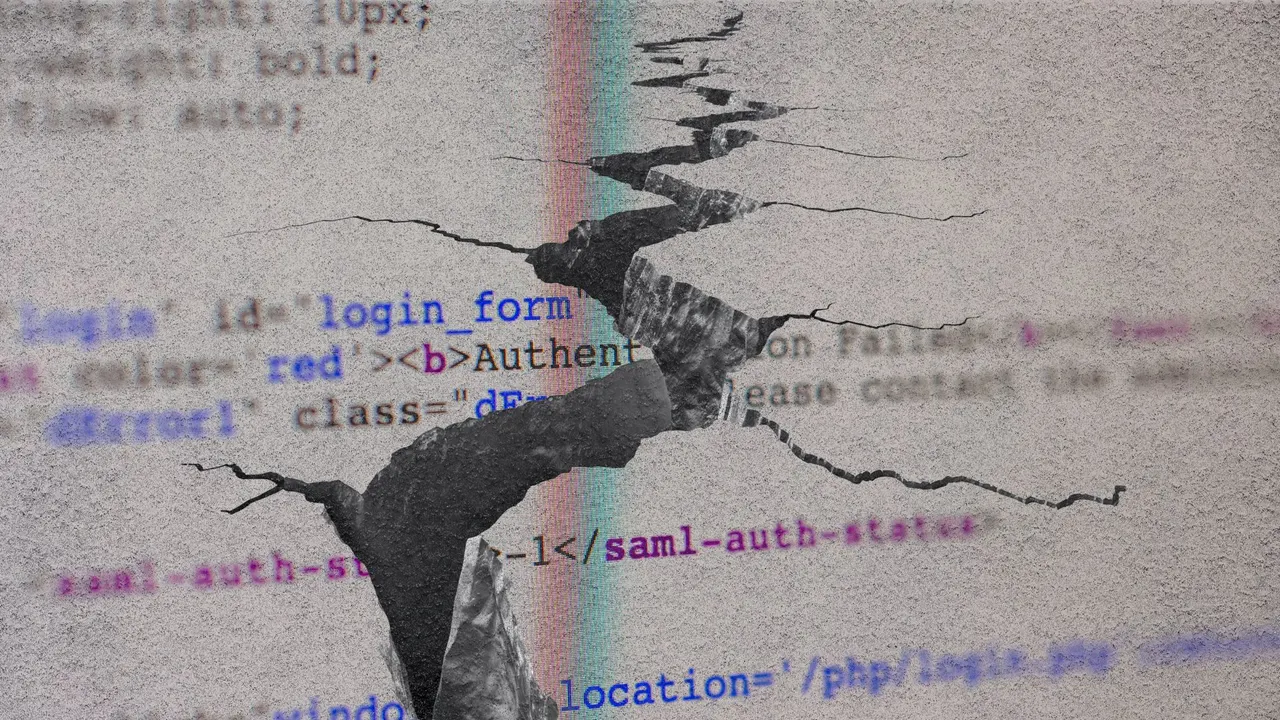
PHP's security team has shipped fixes for critical flaws across every maintained version of the language, 8.2 to 8.5. Given that PHP2Shell was only a month ago, the announcement made a lot of admins nervous. The known bug, though, looks much less scary.
On Wednesday 18 November, the team said patches would land the next day, between 15:00 and 15:30 French time. It gave no detail beyond calling the worst flaws "critical". That was enough to set off alarms. On 21 October, PHP had pushed out emergency fixes for CVE-2026-109618 and CVE-2026-109619, two bugs rated 9.2 out of 10 that allowed remote code execution without logging in. Attackers moved fast, including against security appliances from Palo Alto Networks and Check Point.
How serious is CVE-2026-115560?
The one flaw we know about is CVE-2026-115560, public since 23 October. It affects a feature enabled by default that tracks the progress of a file upload, and it can also lead to remote code execution. But an app has to use a specific setting with an unusual value, then change it on the fly before opening the user's session. PHP's own developers call it an "unlikely" route to code execution, and no exploitation has been publicly confirmed.
The timing points the same way. Unlike the PHP2Shell patches, these arrive in the normal update cycle, nearly a month after the first warning, with only a temporary workaround in between.
There is a catch. Several flaws are being fixed, and only this one is public. The others, still secret, may be what earned the "critical" label. PHP only says the most severe ones need a non-default configuration or an uncommon setup.
Who is most at risk?
Probably servers that never installed the PHP2Shell fixes, since those bugs were already exploited. PHP also runs WordPress and more than two thirds of sites whose server-side language is known.
According to W3Techs, almost a third of PHP sites still run version 7 or older. The project no longer maintains those versions, so they get no fixes. PHP 8.2 joins them after 31 December 2026, when its security support ends.
Apps worth a look
SUMO: the number puzzleTap the right tiles, add them up, hit the target. Easy to learn, hard to master. Free, for all ages.
Dialo: learn languages by speakingTalk to an AI conversation partner; every sentence comes back corrected and explained in your language. 9 languages, A1 to C2.
ediviewer: read EDI files like documentsOpen EDIFACT and X12 messages, see every segment explained, convert to JSON/XML, export PDF and Excel. Runs locally, no upload.
giftdetect: the right gift in minutesPick who it is for, the occasion and their personality. The search engine reads product descriptions from local shops and ranks what fits. Free, no sign-up.
More from this day
See all →
Dizigom shut down: Turkey's big pirate streaming site gone
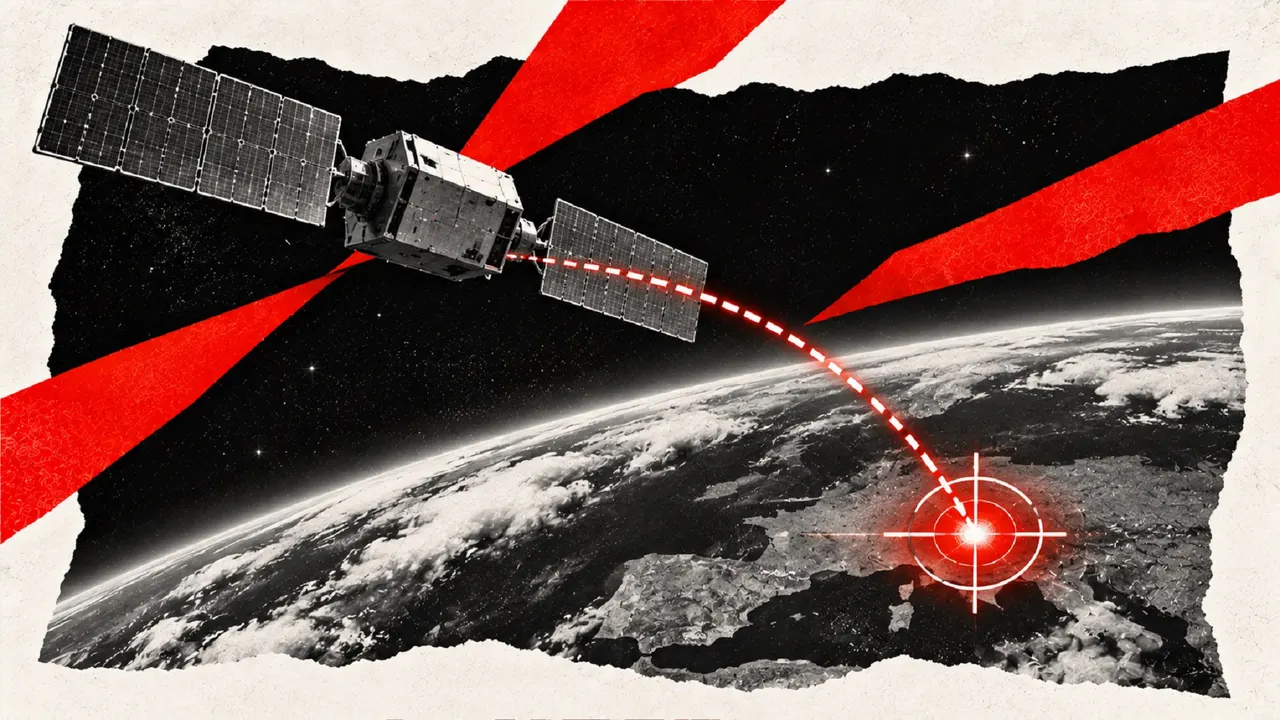
PODS: Europe's orbital strike weapon built on a science capsule
AI sycophancy is getting worse even as chatbots fix other flaws