Optimizely hack hit 178 sites, including Zoom and IKEA
Attackers slipped malicious code into Optimizely projects, so visitors to sites like Zoom and IKEA were exposed to crypto theft and iPhone exploits.

 SUMO· the number puzzle
 Dialo· learn languages by speaking
 ediviewer· read EDI files like documents
 giftdetect· the right gift in minutes
A tool many companies use to test their web pages became the way in for attackers. In the Optimizely hack, malicious JavaScript reached visitors of sites belonging to 178 organisations, among them Zoom, Equifax, Salesforce and IKEA, with crypto theft and iPhone attacks as the goal.
Security researcher Scott Helme found that the attackers got into Optimizely, a platform that companies use to tune their websites and run experiments on them. They managed to add malicious code to customers' projects on the platform. From there it was served to people browsing the affected sites, who had no idea.
What did the Optimizely attack do?
The code swapped cryptocurrency wallet addresses for ones controlled by the attackers, so payments would go to them instead of the intended recipient. It was also built to capture payment card details as people typed them in, steal cookies that can hold login session data, and take screenshots of what users were viewing.
The attackers also tried to exploit iOS flaws to install malware on iPhones and iPads, using tools known as Coruna and DarkSword.
Is the iPhone vulnerability fixed?
Not clearly. Reports describe an iOS flaw called worse_query that could let a malicious app reach files and data from other apps, including logins and crypto wallet private keys. Binance has warned iPhone users about it, saying passwords, wallet recovery phrases and private keys could be at risk.
Apple released iOS 27.2.1 on 9 November, but the researcher who found the flaw says it is still present in that version and in the first beta of iOS 27.3.
How are the companies responding?
Salesforce says it is investigating unauthorised changes to the code in Optimizely and has switched the program off as a precaution. Equifax says an internal investigation found no sign its own systems were breached, and it has stopped using the service.
It is not yet clear how many of the attempts worked or how much damage users suffered. Reuters could not confirm that the attacks succeeded on every targeted site.
This is a supply chain attack: break into one outside service many companies rely on, and you reach the visitors of all of them without hacking each company separately.
Apps worth a look
SUMO: the number puzzleTap the right tiles, add them up, hit the target. Easy to learn, hard to master. Free, for all ages.
Dialo: learn languages by speakingTalk to an AI conversation partner; every sentence comes back corrected and explained in your language. 9 languages, A1 to C2.
ediviewer: read EDI files like documentsOpen EDIFACT and X12 messages, see every segment explained, convert to JSON/XML, export PDF and Excel. Runs locally, no upload.
giftdetect: the right gift in minutesPick who it is for, the occasion and their personality. The search engine reads product descriptions from local shops and ranks what fits. Free, no sign-up.
More from this day
See all →
How to recover deleted Facebook and Instagram posts and photos

iPhone Duo apps: 200,000 now optimized, double in 10 days

Liquid Glass: Apple tests softer scroll edges in navigation bars

Coinbase AI blocks $4.7 million sent to deepfake Elon Musk scam
More in: Security
See all →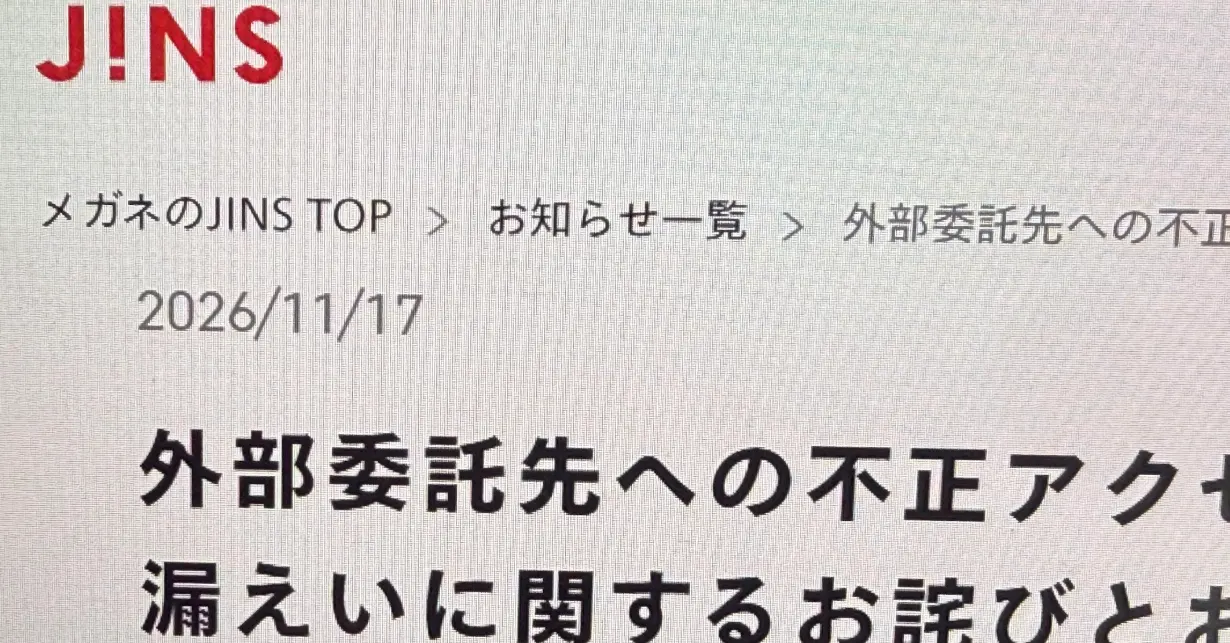
KARTE data breach: JINS says up to 18.29 million accounts exposed

Java4Shell: Java flaw allows remote code execution on some CPUs

Amazon SSD return: faulty drive resold with owner's data