openSUSE Leap 16.1 adds optional immutable mode and KDE Plasma 6.6
openSUSE Leap 16.1 is out. The Linux distribution now offers an optional immutable mode and ships updated desktops, including KDE Plasma 6.6.

 SUMO· the number puzzle
 Dialo· learn languages by speaking
 ediviewer· read EDI files like documents
 giftdetect· the right gift in minutes
openSUSE Leap 16.1 has been released. The new version of the Linux distribution integrates an optional immutable mode for the first time and brings updated desktop environments, among them KDE Plasma 6.6.
An easier way back after a bad update
The immutable mode is aimed at a familiar problem: an update goes wrong and the system no longer behaves as expected. In an immutable setup, the core system is protected from changes during normal operation, which is meant to make it simpler to return to a working state. Because the mode is optional, users who prefer a conventional installation can keep working the way they are used to.
Updated desktops
Besides the new system mode, Leap 16.1 refreshes its desktop offerings. KDE Plasma 6.6 is the most prominent example, giving users of the KDE desktop a more current environment out of the box.
For admins and desktop users who run Leap, the release is relevant mainly because it makes recovery from failed updates a built-in option rather than something to assemble by hand. Further details on the feature set and upgrade path are available in the release documentation from the openSUSE project.
Apps worth a look
SUMO: the number puzzleTap the right tiles, add them up, hit the target. Easy to learn, hard to master. Free, for all ages.
Dialo: learn languages by speakingTalk to an AI conversation partner; every sentence comes back corrected and explained in your language. 9 languages, A1 to C2.
ediviewer: read EDI files like documentsOpen EDIFACT and X12 messages, see every segment explained, convert to JSON/XML, export PDF and Excel. Runs locally, no upload.
giftdetect: the right gift in minutesPick who it is for, the occasion and their personality. The search engine reads product descriptions from local shops and ranks what fits. Free, no sign-up.
More from this day
See all →
Google Plans Closed-Door Geospatial Forum in Korea Before Map Export
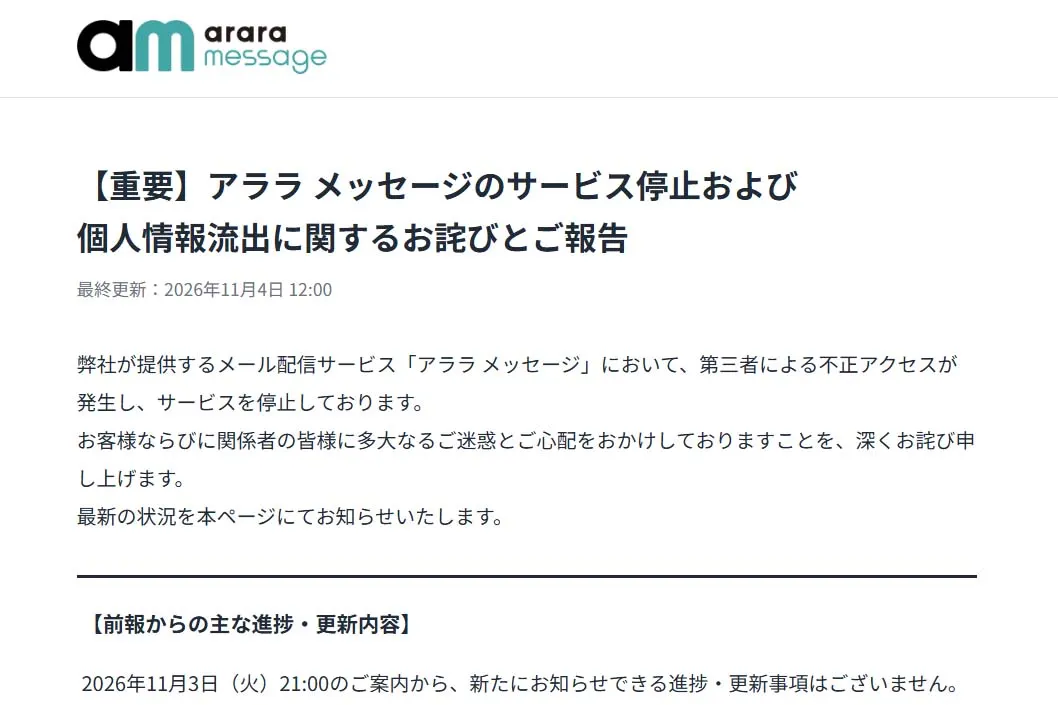
Arara Message Breach Exposes About 77 Million Email Addresses

NTT CEO Shimada Urges Legal Basis for Blocking Attacker Sites