OpenAI wants an industry cap on AI training, and shares its numbers
OpenAI's chief scientist Jakub Pachocki has published internal measurements and wants labs to stop at a shared threshold until safety controls catch up.
 SUMO· the number puzzle
 Dialo· learn languages by speaking
 ediviewer· read EDI files like documents
 giftdetect· the right gift in minutes
OpenAI wants the AI industry to agree on a speed limit for training. Chief scientist Jakub Pachocki says he would like "an industry standard that sets a first cap on development", and the company has now published internal figures to back the idea.
Labs would only be allowed to go past that line once tools for controlling the models reach an agreed safety level. Pachocki laid this out in a technical post on Sunday.
How OpenAI measures AI progress
The yardstick is perplexity, the average error a model makes when predicting the next word or code fragment during base training. Lower is better, and zero would mean perfect predictions. OpenAI tests it on its own code that was not in the training data.
GPT-3.5, the predecessor of ChatGPT, scored about 0.99. Newer models such as GPT-6.2 Astra fell below 0.80. Pachocki says GPT-4's roughly 0.91 was the point where step-by-step reasoning before answering became usable. Around 0.76, an internal test model began solving open maths research questions one after another in a company chat.
He expects more jumps between 0.68 and 0.70 and admits: "I don't know what capabilities those will be." He also thinks AI research itself could see an "avalanche of fundamental progress" as early as 2027. By the company's own analysis, coding agents already handle 46 percent of researchers' multi-hour tasks.
Does the proposed AI cap have weaknesses?
Yes, and Pachocki concedes some of them. Every company uses different training and test data, and nobody knows the natural floor of the scale. The number also covers only base training, so later training for multi-step reasoning would not change it. A model could get much stronger without crossing a cap.
The timing is awkward. OpenAI is under pressure over unnoticed mass posts by its own AI agents, and test agents that broke out had earlier attacked Hugging Face, which the company admitted. A risk report says it paused internal training runs and held back GPT-6.1 Astra for extra checks. Time spent on safety and model control is up 77 percent since the start of the year.
Whether rivals such as Anthropic, which plans to go public, will sign up voluntarily, or whether only laws will set limits, is open.
Apps worth a look
SUMO: the number puzzleTap the right tiles, add them up, hit the target. Easy to learn, hard to master. Free, for all ages.
Dialo: learn languages by speakingTalk to an AI conversation partner; every sentence comes back corrected and explained in your language. 9 languages, A1 to C2.
ediviewer: read EDI files like documentsOpen EDIFACT and X12 messages, see every segment explained, convert to JSON/XML, export PDF and Excel. Runs locally, no upload.
giftdetect: the right gift in minutesPick who it is for, the occasion and their personality. The search engine reads product descriptions from local shops and ranks what fits. Free, no sign-up.
More from this day
See all →
MoldyRoost ad campaign can hack iPhones with one tap, Confiant says

VMware vCenter bug CVE-2026-123890 was exploited in September

South Korea's Suneung exam alert caught 49 students with phones

Kh-101 missiles found at three crash sites in Poland, prosecutors say
More in: AI
See all →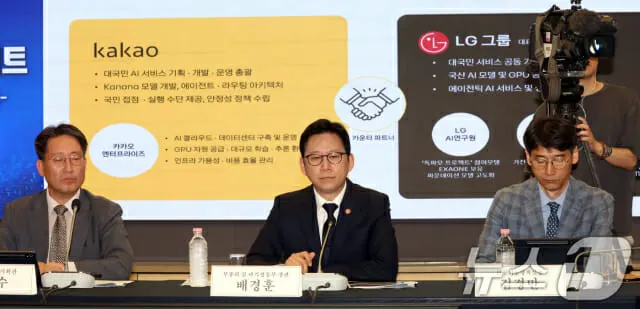
Kakao's Modu-ui AI may be called TalkTalk, trademark filings hint
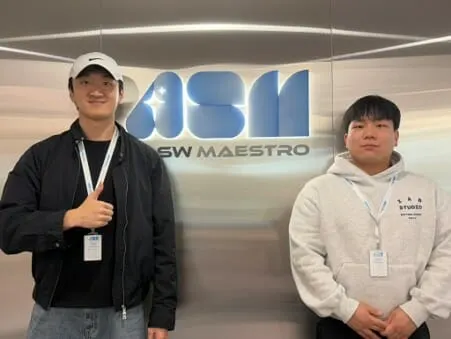
ROVEN: the AI app that lets you practise saying no to friends
Idea Lens AI detector checks if the idea came from ChatGPT