Nov. 17 Emergency Alert test: why the blackout rumors are wrong
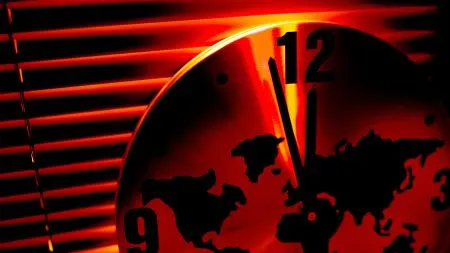
Videos claim the Nov. 17 Emergency Alert System test signals a blackout. It's a routine test, and no federal agency has mentioned any outage.

 SUMO· the number puzzle
 Dialo· learn languages by speaking
 ediviewer· read EDI files like documents
 giftdetect· the right gift in minutes
Social media says the Nov. 17 Emergency Alert System test is the signal for a nationwide blackout. It isn't. It's a routine test, and no federal agency has said anything about a power cut.
On Tuesday, Nov. 17, at around 2:20 p.m. ET, FEMA and the FCC plan to send a nationwide EAS message. Videos on Facebook, Instagram and TikTok claim it could precede a cyberattack that knocks out electricity, internet and bank accounts, and some people are buying a 90-day stockpile of food, water, cash and medicine. Some even point to a 2023 Simpsons episode that showed a Nov. 17 blackout, though it never named a year.
What will happen during the Emergency Alert System test?
The message will say no public action is required. It includes standard alert tones for people who are deaf or hard of hearing and should last about a minute. Wireless emergency alerts won't be triggered this time, so phones shouldn't buzz. Then TV and radio go back to normal. FEMA has a backup date of Dec. 3 if it can't run the test.
These tests are nothing new. Americans have had them since 1963, and federal law requires a nationwide EAS test every three years. Local stations run one weekly. The point is to find technical problems before a real emergency.
Why are people so jumpy right now?
The timing is unlucky. In the past month the FAA ordered a ground stop on departing flights, a big Outlook outage stopped millions from working, and cyberattacks hit supermarket fridges and freezers in Europe. A Pentagon memo called "Fortress America" told military bases to stock 90 days of supplies, and the UK launched a Be Ready campaign urging three days' worth.
Experts consulted by CNET urged caution without panic. Richard Mariano, a protective intelligence expert at Kronus Intelligence, said viral posts create "panic where panic is not necessary" and advised: "source it, source it, source it." Unless hackers exploit the hysteria, there's no reason to think Nov. 17 is riskier than any other date.
Apps worth a look
SUMO: the number puzzleTap the right tiles, add them up, hit the target. Easy to learn, hard to master. Free, for all ages.
Dialo: learn languages by speakingTalk to an AI conversation partner; every sentence comes back corrected and explained in your language. 9 languages, A1 to C2.
ediviewer: read EDI files like documentsOpen EDIFACT and X12 messages, see every segment explained, convert to JSON/XML, export PDF and Excel. Runs locally, no upload.
giftdetect: the right gift in minutesPick who it is for, the occasion and their personality. The search engine reads product descriptions from local shops and ranks what fits. Free, no sign-up.
More from this day
See all →
Comet 220P/McNaught suddenly got 1,000 times brighter. Here's why
Coral Hart used AI to write 370 books in 20 months
WhatsApp Zaps: self-deleting photos and videos for any chat

Green SM taxis: Karnataka halts new registrations, eyes mandatory meters
More in: Security
See all →
NoisyTCP Linux bug can crash a server remotely, no login needed
Artex AI hacking tool: FBI says it breaches networks in under three hours
Estonia's digital exile government: running the state from abroad