Nothing's screenless AI device: what we know before December
Carl Pei teased a curved, metallic AI gadget with no screen and a button with a red dot. Humane and Rabbit already failed at this idea, so what is different?
 SUMO· the number puzzle
 Dialo· learn languages by speaking
 ediviewer· read EDI files like documents
 giftdetect· the right gift in minutes
Nothing is about to launch a screenless AI device, and so far all we have is a few seconds of video. Carl Pei, the company's CEO, posted it on X on Wednesday 11 November with one line: "Context doesn't live in a chat box."
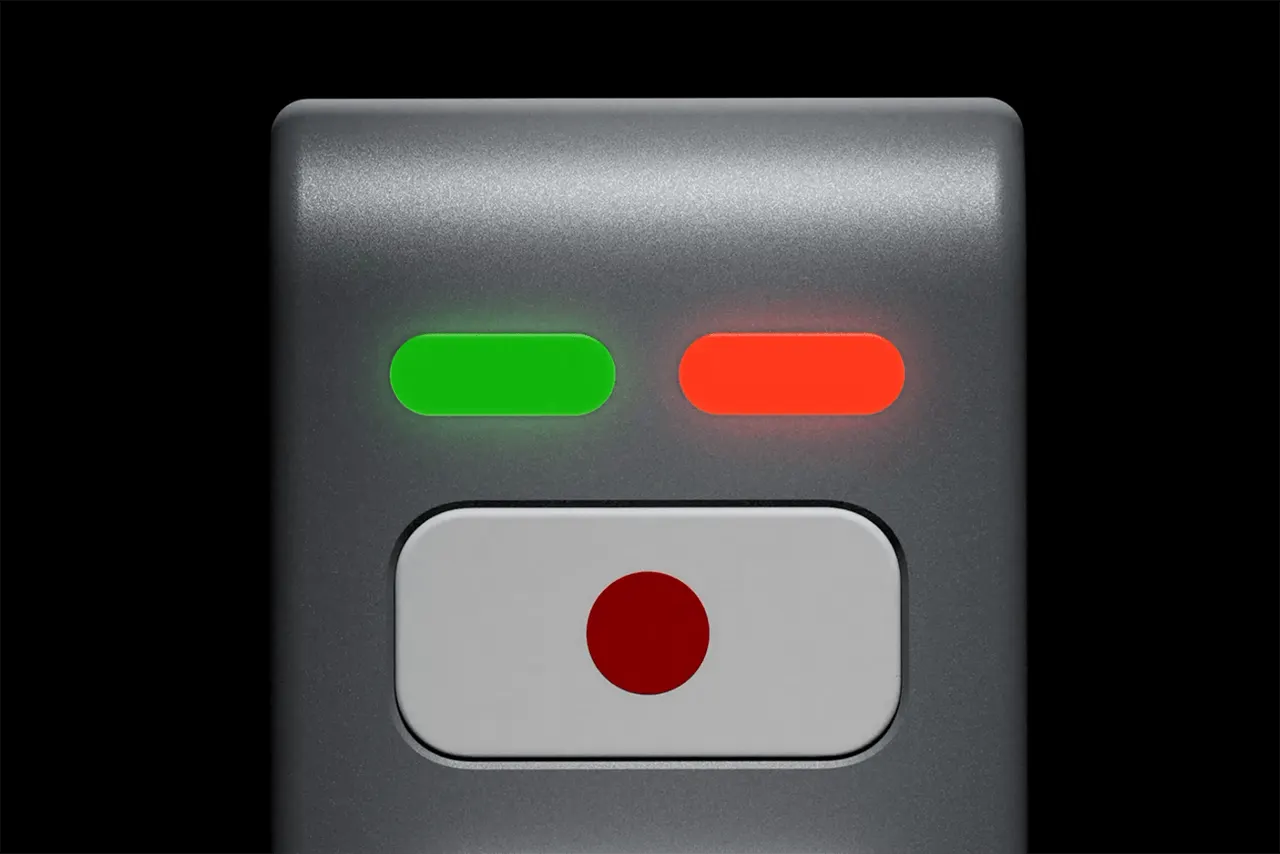
The clip shows a curved, metallic-looking object with two LEDs lit, one green and one orange, and a white button with a red circle in the middle. That button might record voice notes for the AI to analyse, but Nothing has confirmed nothing. On 4 November, in a long post titled "Toolmakers", Pei wrote that the device has "no new screen", "couldn't have been an app", and arrives "next month". That points to December 2026. There is no name, price or feature list yet.
Why did Humane and Rabbit fail?
The category has a rough history. The Humane AI Pin, a screenless pin that projected information onto your palm, went on sale in April 2024 for $699 and got almost uniformly bad reviews. HP bought Humane's assets for $116 million in February 2025 without taking the product, and the AI Pins stopped connecting to servers on 28 February 2025.
The Rabbit R1, an orange $199 box that promised to use apps like Spotify or Uber for you by voice, fared little better. In September 2024, CEO Jesse Lyu admitted that around 5,000 people used it daily out of roughly 100,000 sold, so about 5%. Reviewers made the same complaint about both: a smartphone did most of it, and faster.
What is Nothing doing differently?
Pei's slogan seems aimed at chatbots like ChatGPT, where you type or speak a request and explain the situation again each time. Nothing's device would apparently try to capture context on its own, though the company has said nothing about sensors. "No new screen" suggests it will lean on screens you already own, starting with your phone. That would set it apart from the AI Pin, which tried to replace the smartphone instead of working next to it.
Nothing won't be alone. Bloomberg reported in July that OpenAI's first device, designed with former Apple designer Jony Ive, would be a screenless speaker with a camera, with a reveal possibly this year and a release in 2027. Nothing has a few weeks to show what its gadget does that a phone can't.
Apps worth a look
SUMO: the number puzzleTap the right tiles, add them up, hit the target. Easy to learn, hard to master. Free, for all ages.
Dialo: learn languages by speakingTalk to an AI conversation partner; every sentence comes back corrected and explained in your language. 9 languages, A1 to C2.
ediviewer: read EDI files like documentsOpen EDIFACT and X12 messages, see every segment explained, convert to JSON/XML, export PDF and Excel. Runs locally, no upload.
giftdetect: the right gift in minutesPick who it is for, the occasion and their personality. The search engine reads product descriptions from local shops and ranks what fits. Free, no sign-up.
More from this day
See all →
Nāpōwawāʻenakaulua: Webb Finds Earliest Quasar Pair Ever

United Airlines AI agent ban: bots can't tick the check-in box

Jensen Huang resigns as Nvidia CEO; Colette Kress steps in as interim

Windows WinSxS folder: the DISM command that frees up to 10 GB
More in: Mobile
See all →
iPhone Duo returns: 30% of early buyers sent it back, poll says
Android Auto Gemini Intelligence arrives first on Pixel phones only
WhatsApp tests a Contacts tab on iPhone, replacing Communities