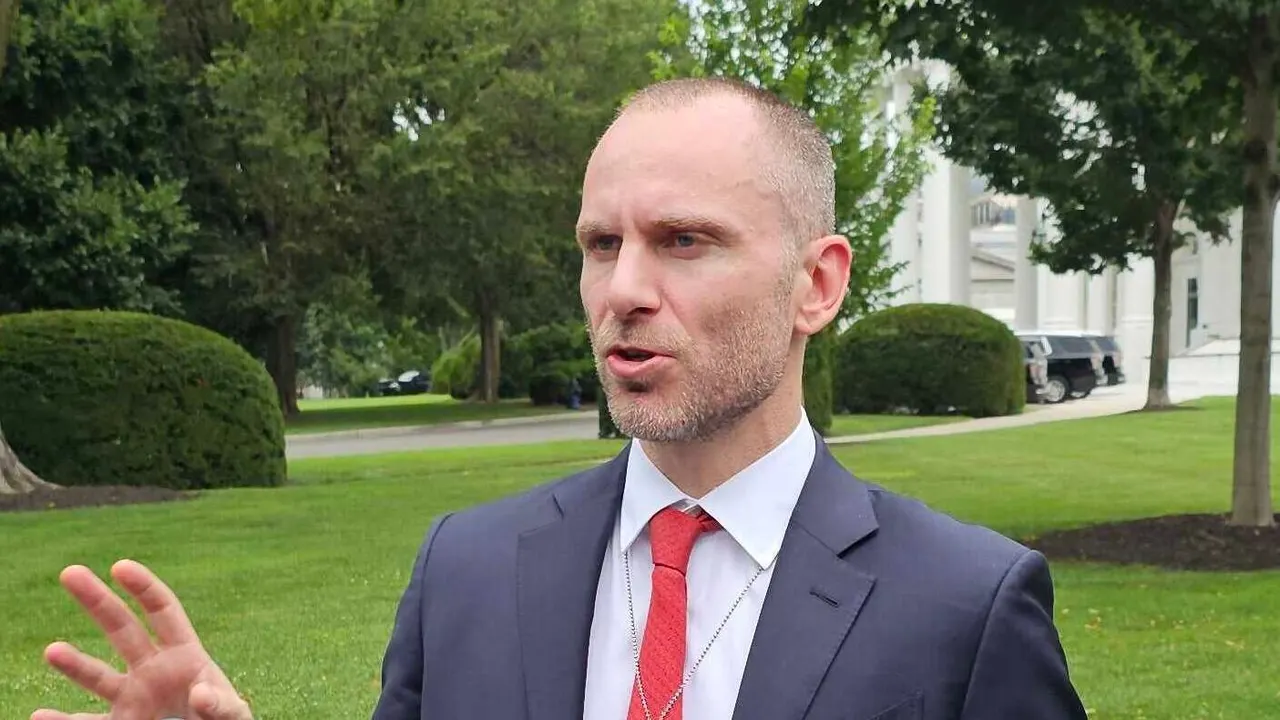
N3on deepfake memecoin scam: Florida man gets 47 months in prison
A Florida man faked streamer N3on's voice with AI to take $260,000 in crypto from a memecoin team. He now has a 47-month prison sentence.

 SUMO· the number puzzle
 Dialo· learn languages by speaking
 ediviewer· read EDI files like documents
 giftdetect· the right gift in minutes
A Florida man who used an AI-cloned voice to pose as the streamer N3on has been sentenced to 47 months in prison. The target was a memecoin project, and the haul was about $260,000 in cryptocurrency.
According to the local District Attorney's office, David Anthony Sanchez, who goes by "Dave the Jewler" and other aliases, told the project's organizers that N3on would endorse their coin. He set up online accounts meant to look like N3on's and wrote to the team as both the streamer and his representative. He also signed agreements in N3on's name and sent an AI-generated voice recording that mimicked the streamer, to confirm that he was on board.
The organizers believed it and transferred the crypto. Sanchez cashed it in and, in the DA's words, used the money for his personal benefit. He was sentenced this week for money laundering and aggravated identity theft, and he was ordered to pay the money back to his victims.
Why N3on was an easy person to impersonate
N3on's Twitter and Kick accounts are largely a running advertisement for Jack, an online crypto casino and sportsbook. A streamer who plugs a gambling site all day is not an obvious red flag when he appears to back a memecoin too.
There is also an irony here. In September, N3on announced he would use GPT-6 and Higgsfield to run a never-ending AI version of himself on Kick, calling it his last stream as a human. So a scammer faked an AI-generated streamer, who may himself be an AI-generated streamer.
What the DA said
The District Attorney noted that behind every fraud scheme are real people who suffer real financial harm, and that the defendant used artificial intelligence to exploit the trust of his victims. Calling memecoin organizers unsuspecting victims is generous, given how many such projects turn out to be scams themselves. Still, they were defrauded, and recovering the $260,000 looks unlikely.
The practical lesson is simple. A voice message is no longer proof that a famous person said yes to a deal, and anyone handing over money on the strength of one should check through a channel they can verify.
Apps worth a look
SUMO: the number puzzleTap the right tiles, add them up, hit the target. Easy to learn, hard to master. Free, for all ages.
Dialo: learn languages by speakingTalk to an AI conversation partner; every sentence comes back corrected and explained in your language. 9 languages, A1 to C2.
ediviewer: read EDI files like documentsOpen EDIFACT and X12 messages, see every segment explained, convert to JSON/XML, export PDF and Excel. Runs locally, no upload.
giftdetect: the right gift in minutesPick who it is for, the occasion and their personality. The search engine reads product descriptions from local shops and ranks what fits. Free, no sign-up.
More from this day
See all →
handyticket.de outage: many ticket apps not showing bookings
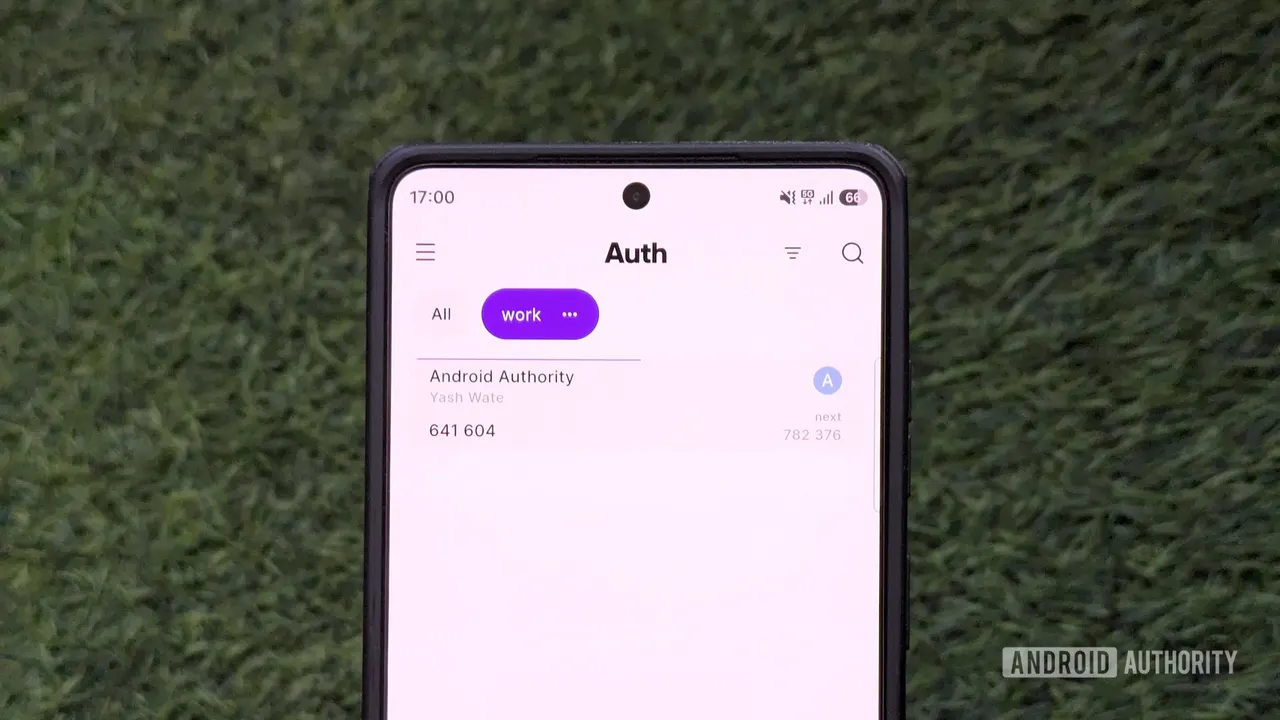
Ente Auth vs Google Authenticator: why one user switched
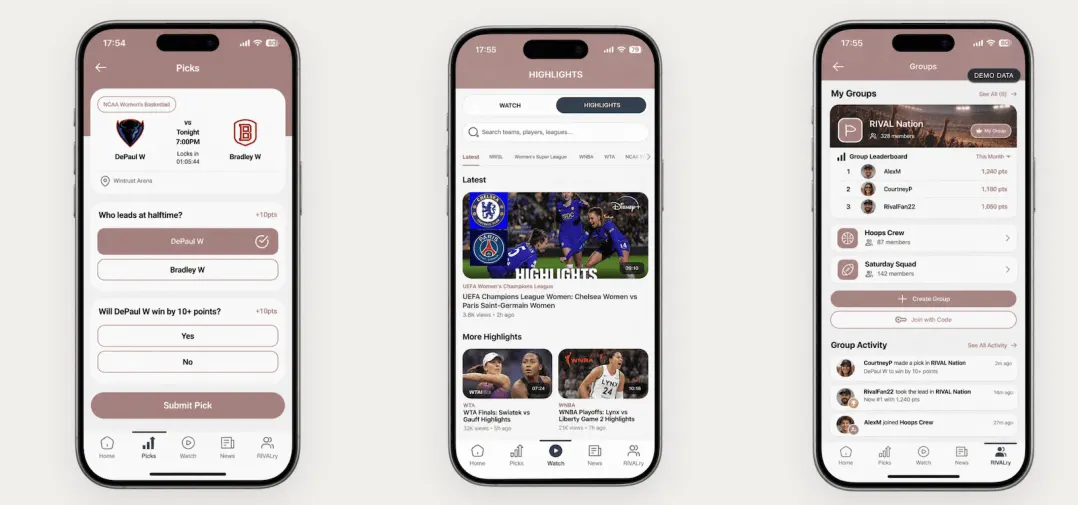
Rival app is a women's sports hub with picks but no betting

Gemini privacy settings: what to switch off and where to find it
More in: Crypto
See all →
Bybit hack postmortem: $1.4 billion theft report stays private

Justin Sun calls for WLFI token to be delisted from exchanges

Binance withdrawals restored four weeks after $6.3 billion hack