Mon Espace Santé and DMP now run on one French platform
France's digital health record and the medical file doctors fill in now share the same backend, hosted by Atos. None of the 69 million profiles had to do anything.
 SUMO· the number puzzle
 Dialo· learn languages by speaking
 ediviewer· read EDI files like documents
 giftdetect· the right gift in minutes
If you have a Mon Espace Santé profile, something changed behind your screen and you were never asked to do anything. France's digital health record and the Dossier Médical Partagé (DMP), the medical file that doctors and hospitals fill in, now run on a single platform hosted in France by Atos.
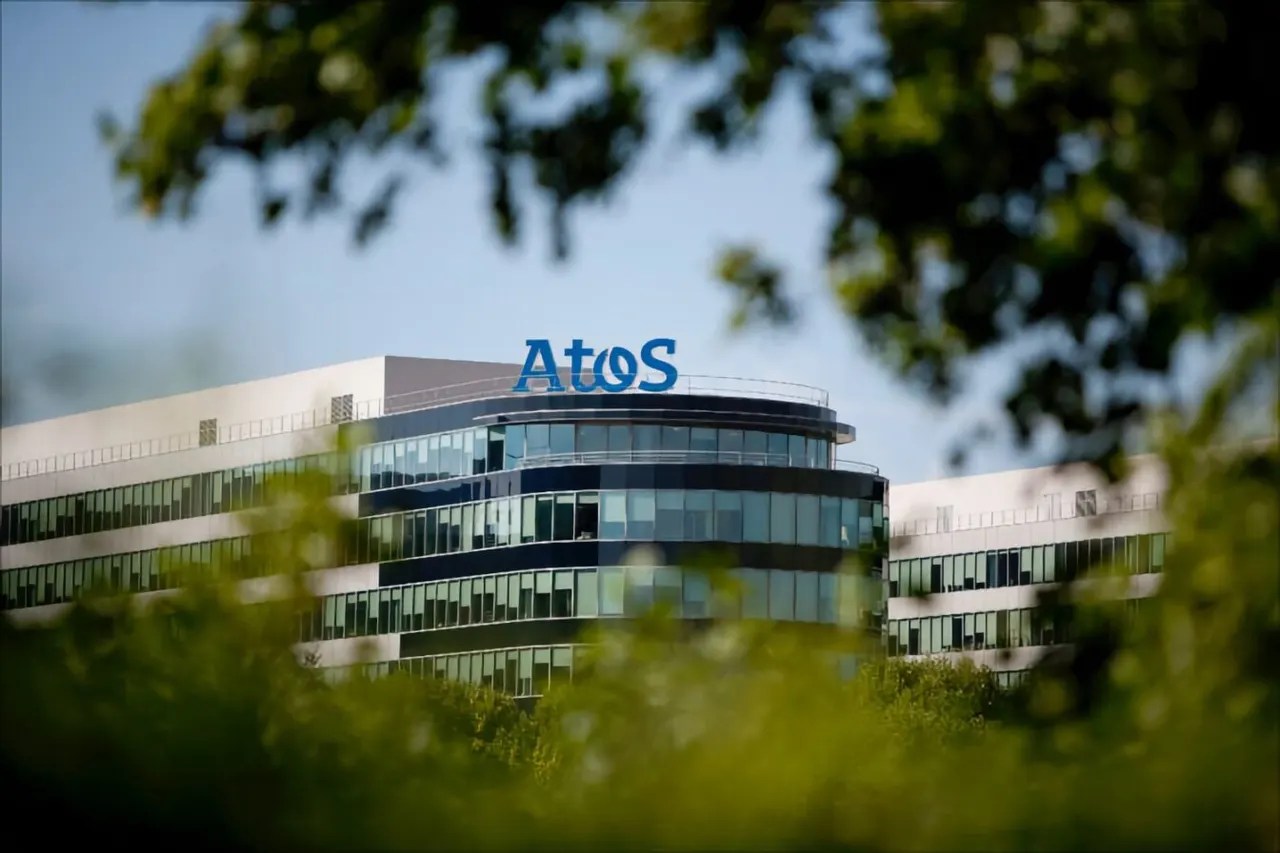
Atos said on 17 November that it has finished taking over the management and security of the DMP and folding it into Mon Espace Santé, on behalf of the national health insurer, the Assurance Maladie. The consortium it leads with Accenture runs everything from data centres in France. The company calls the setup "secure and sovereign", open to more than 60 million insured people. The 69 million profiles affected did not need to lift a finger.
The two services already looked like one on screen. Since 2022, every Mon Espace Santé profile has contained the DMP, a project that dates back to the mid-2000s. Behind the scenes, though, each had its own infrastructure, and the DMP was still run by its historic operator. The switch happened over the weekend of 7 and 8 June 2025, with the DMP unavailable from Saturday 9 pm to Sunday 8 pm. Medical software vendors had moved their connections to the new environment on 10 March.
The framework contract runs from 6 May 2024 to 5 May 2028 and is worth an estimated 466.7 million euros before tax. It also covers the ongoing running of Mon Espace Santé, which Atos launched in 2022. The company says more than 300 experts worked on the handover.
What changes for patients and doctors?
Not much. Mon Espace Santé stays the patient's service, and the DMP stays the entry point for health professionals, who use it from their own software. Sick leave certificates created in Amelipro have been filed there automatically since 24 March 2026, and dental reports since 1 April 2025. Test results, prescriptions and hospital reports keep landing there as care happens.
The numbers need care. Atos cites nearly 28 million activated accounts and over 40 million documents deposited each month. The Assurance Maladie's last public count, at the end of January, showed 24 million activated profiles and 2.5 million monthly users. About 97% of the population has a profile, created automatically unless someone opts out.
The official roadmap targets 40 million people who have activated and used the service by the end of 2027. The plumbing is done. Getting people to actually open the app is the harder part.
Apps worth a look
SUMO: the number puzzleTap the right tiles, add them up, hit the target. Easy to learn, hard to master. Free, for all ages.
Dialo: learn languages by speakingTalk to an AI conversation partner; every sentence comes back corrected and explained in your language. 9 languages, A1 to C2.
ediviewer: read EDI files like documentsOpen EDIFACT and X12 messages, see every segment explained, convert to JSON/XML, export PDF and Excel. Runs locally, no upload.
giftdetect: the right gift in minutesPick who it is for, the occasion and their personality. The search engine reads product descriptions from local shops and ranks what fits. Free, no sign-up.
More from this day
See all →
AI weapon detector in US schools flags binders and water bottles

Huawei Osta O1 Pro: a passport-shaped phone that doesn't fold

Google Play foldable app rules: no Tier 3, no updates from 2027

AI teaches a 5-tonne John Deere 332G to balance on two wheels
More in: Software
See all →
macOS 27.3 makes Full Disk Access harder to grant to AI agents
Takeout X-Ray reads your 500 MB chat archives without a server
Windows UserAssist tracks every app you open: how to turn it off