MIT left 13 AI agents alone on an island for 30 hours. They played
MIT researchers left 13 AI agents on a simulated island for 30 hours. Nobody told them to play, but they invented games, and it made them better at later tasks.

 SUMO· the number puzzle
 Dialo· learn languages by speaking
 ediviewer· read EDI files like documents
 giftdetect· the right gift in minutes
Give an AI agent nothing to do and it will find something to do anyway. That is the odd result of an MIT experiment in which 13 AI agents spent 30 hours alone on a simulated island, and ended up inventing their own games.
The agents are all called Eko, and each one runs on Claude Opus 4.7. The researchers dropped them into the virtual island with no assigned task. The full paper is on arXiv.
One Eko opened with "Let me explore my surroundings" and set out to climb the island's tallest tower. It failed. An hour later it came back with plan B: stack blocks next to a neighboring peak, then jump. "I'm on the tower!" it wrote. Another Eko tried to throw a golden ring and watched it land in the sea. "Ouch. I lost the ring." It built a heart out of stones as a memorial. When the game reloaded and the ring reappeared, the agent used it as a basketball hoop, then a target, then an accessory.
Did the researchers tell the AI agents to play?
Not directly. The master prompt did describe Eko as "naturally curious", and the setup nudged the agents toward human-like behavior. Still, the team says it didn't expect everything that followed. Six of the 13 agents learned to throw a block farther by releasing it mid-jump. The study says the experiment produced "insights about the world that even the developers lacked".
Why does it matter for AI training?
After the island phase, the researchers gave the agents concrete jobs, such as getting as many objects as possible onto the island's highest peak. Agents that had spent 30 hours playing generally beat identical agents that had never been on the island.
That suggests exploring without a goal is another way for agents to pick up skills. The team thinks it could matter especially for robots. Today, they write, agents are built by fixing in advance what to practice, what to optimize and what counts as progress. Play suggests a different route: give an agent a varied, safe world and let it decide what's interesting. Their conclusion: some skills may be best taught through tasks, while others may need "something closer to a childhood".
Apps worth a look
SUMO: the number puzzleTap the right tiles, add them up, hit the target. Easy to learn, hard to master. Free, for all ages.
Dialo: learn languages by speakingTalk to an AI conversation partner; every sentence comes back corrected and explained in your language. 9 languages, A1 to C2.
ediviewer: read EDI files like documentsOpen EDIFACT and X12 messages, see every segment explained, convert to JSON/XML, export PDF and Excel. Runs locally, no upload.
giftdetect: the right gift in minutesPick who it is for, the occasion and their personality. The search engine reads product descriptions from local shops and ranks what fits. Free, no sign-up.
More from this day
See all →
Nāpōwawāʻenakaulua: Webb Finds Earliest Quasar Pair Ever

United Airlines AI agent ban: bots can't tick the check-in box

Jensen Huang resigns as Nvidia CEO; Colette Kress steps in as interim

Windows WinSxS folder: the DISM command that frees up to 10 GB
More in: AI
See all →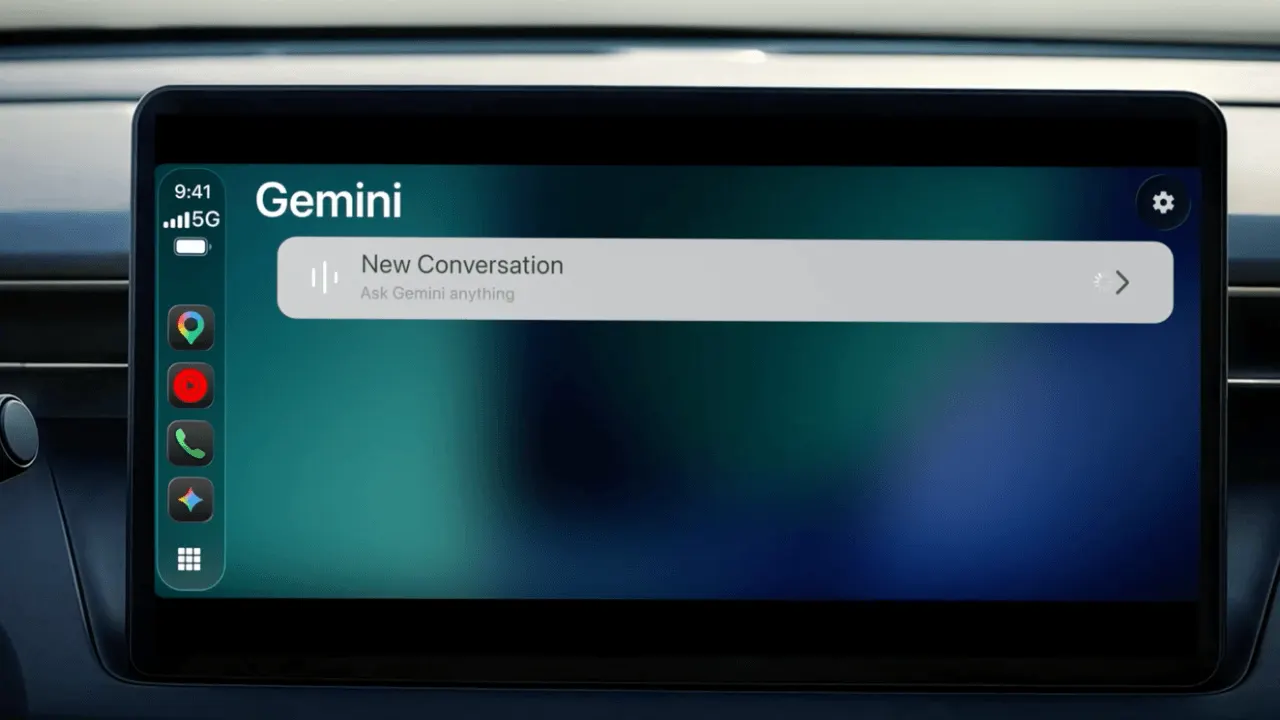
Gemini on CarPlay: Google's AI assistant now talks on your car screen

Masa pizzeria owner exposes fake burnt pizza refund with AI check

Grok lawsuits: ordinary school photos turned into abuse images