Microsoft patent would pay you to lend your GPU for AI training
A Microsoft patent describes paying people credits to let their idle graphics cards train AI models, a bit like SETI@home but for chatbots.
 SUMO· the number puzzle
 Dialo· learn languages by speaking
 ediviewer· read EDI files like documents
 giftdetect· the right gift in minutes
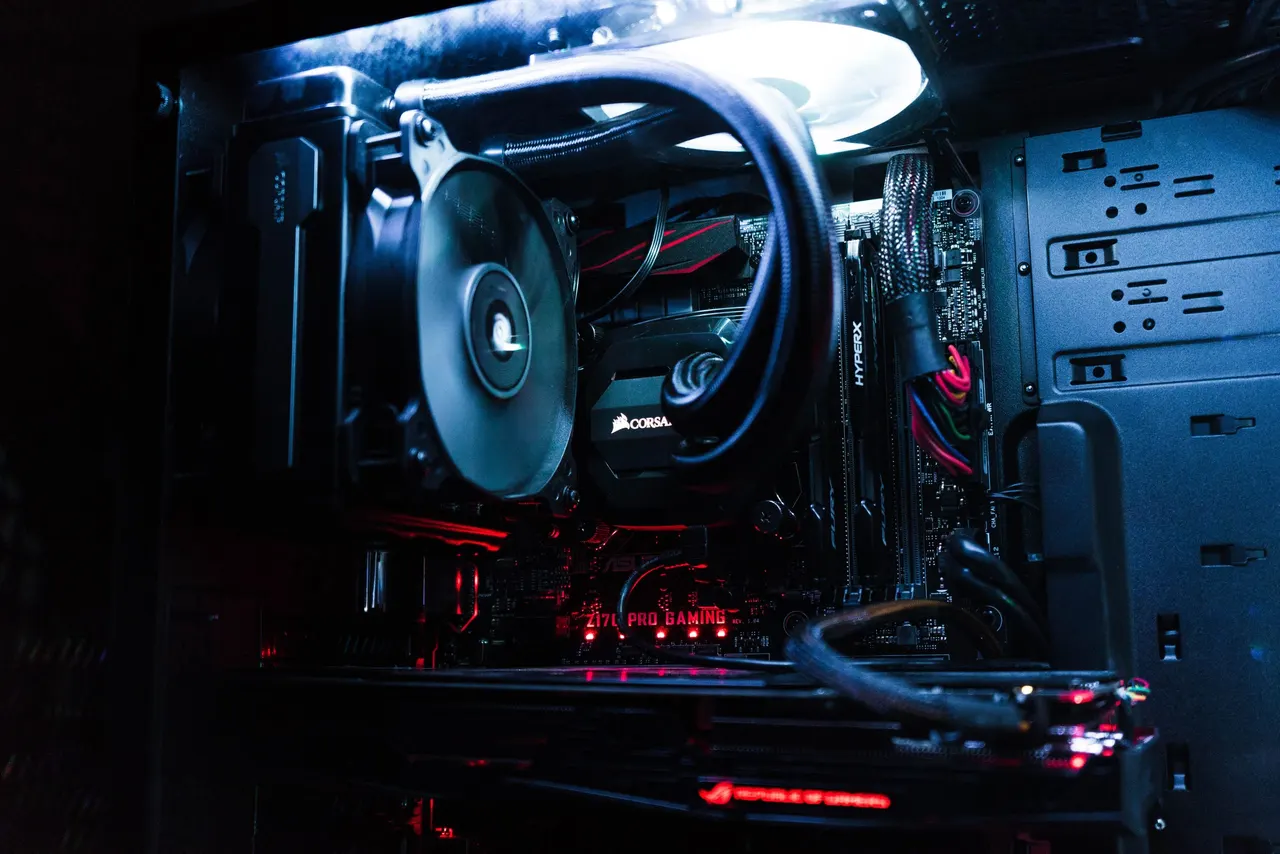
Your gaming PC spends most of the day doing nothing. A Microsoft patent describes a way to put that idle graphics card (GPU) to work training AI models, and to pay you for it.
The filing is titled "Opportunistic micro-training on edge devices by leveraging available GPU capacity". The idea is to split AI training into small tasks and send them to the computers of people who sign up voluntarily. Microsoft would sidestep some of its need for data centers by borrowing power from millions of home machines.
How would Microsoft's GPU training system work?
According to the patent, the system would watch GPU usage, free memory, temperature and power draw. That tells it whether the card can take on work without spoiling what you are doing. Tasks would be matched to the hardware, so a gaming rig would get heavier jobs than a modest laptop.
Microsoft would also track when each device is usually free. If you work on the PC all day and game only in the evening, the system could run its jobs during office hours, as long as it does not get in your way.
To catch errors or tampering, similar tasks would go to different machines and the results would be compared. Verified results would then be merged into the main model's training.
Will Microsoft pay you for your GPU?
The patent says participants could receive credits. These might be exchanged for free software, AI models or cash. Microsoft does not say how much.
This is only a patent, and there is no confirmation it will become a product. Microsoft filed it in April 2025 and the application was published on 5 November.
The concept recalls SETI@home, the University of California project that used volunteers' processors to crunch astronomical data in search of alien signals. The catch here is that users would cover the extra electricity and put up with the heat from a card working on AI jobs. Whether that adds up is hard to say, given the variables of usage, temperature and hardware reliability. The idea might look more attractive if the memory shortage drags on.
Apps worth a look
SUMO: the number puzzleTap the right tiles, add them up, hit the target. Easy to learn, hard to master. Free, for all ages.
Dialo: learn languages by speakingTalk to an AI conversation partner; every sentence comes back corrected and explained in your language. 9 languages, A1 to C2.
ediviewer: read EDI files like documentsOpen EDIFACT and X12 messages, see every segment explained, convert to JSON/XML, export PDF and Excel. Runs locally, no upload.
giftdetect: the right gift in minutesPick who it is for, the occasion and their personality. The search engine reads product descriptions from local shops and ranks what fits. Free, no sign-up.
More from this day
See all →
Nāpōwawāʻenakaulua: Webb Finds Earliest Quasar Pair Ever

United Airlines AI agent ban: bots can't tick the check-in box
Jensen Huang resigns as Nvidia CEO; Colette Kress steps in as interim

Windows WinSxS folder: the DISM command that frees up to 10 GB
More in: AI
See all →
Gemini on CarPlay: Google's AI assistant now talks on your car screen

Masa pizzeria owner exposes fake burnt pizza refund with AI check

Grok lawsuits: ordinary school photos turned into abuse images