Microsoft Entra Connect Health bug exposed admin emails and tenant data
A flaw in Microsoft's Entra Connect Health API let attackers read admin email addresses and tenant details. Microsoft says no passwords leaked and the fix is live.
 SUMO· the number puzzle
 Dialo· learn languages by speaking
 ediviewer· read EDI files like documents
 giftdetect· the right gift in minutes
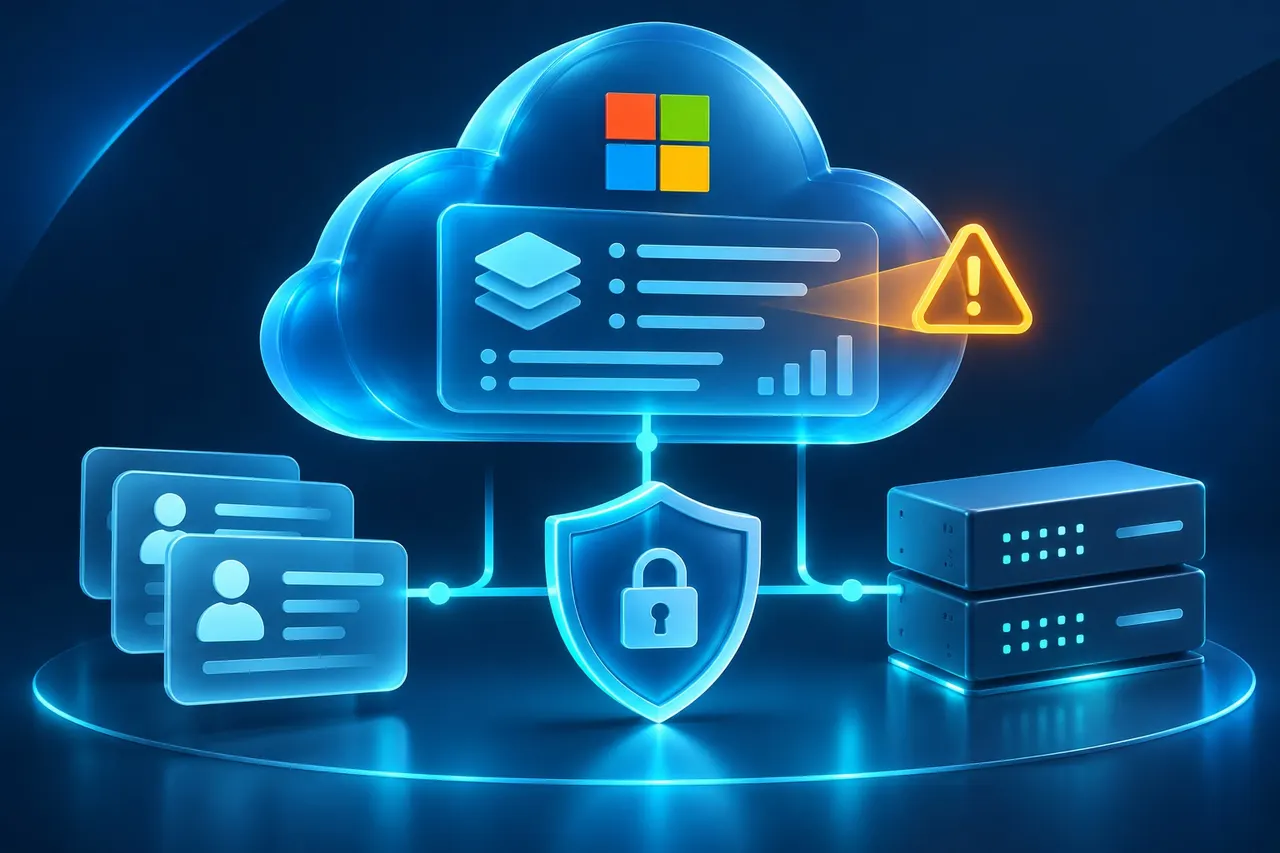
Microsoft has confirmed that attackers exploited a vulnerability in Entra Connect Health to read the email addresses of system administrators, plus configuration data about the organisations using the service. The hole is now closed, according to the company.
A spokesperson said the fix went out on 19 November 2026. Affected organisations were notified through Azure Service Health, along with guidance on how to respond.
What is Entra Connect Health?
It is a service that lets companies keep an eye on the health and performance of their on-premises identity infrastructure. Admins use it to follow alerts and sync errors from the Microsoft Entra admin centre.
What was exposed in the Entra Connect Health vulnerability?
Per Microsoft's customer notice, the flaw sat in the service's API. It was introduced on 23 July 2026 and discovered on 9 November. The investigation ended on 20 November with confirmation of unauthorised read access. Microsoft found no unauthorised configuration changes.
The data included email addresses of technical contacts and admin accounts, tenant IDs, names, initial domains and geographic information. Also in the mix: Entra licence categories, directory sync status and timing, and whether Connect Health was enabled. Responses also contained an expired certificate for an internal service that was retired in late 2024. Microsoft says it was no longer in use but still sat in the service's storage.
Microsoft says passwords, password hashes, authentication tokens and valid encryption keys were not exposed. Neither were on-premises server details, Active Directory structure or Azure subscription information.
Do customers need to do anything?
No update is needed, since the fix was applied on the service side. Microsoft does recommend telling security teams to watch for phishing and social engineering that might use the exposed details. It also suggests phishing-resistant multifactor authentication for high-privilege accounts, and a review of settings, sign-in logs and audit logs.
Microsoft has not said how many organisations were affected, who exploited the flaw, or when the attacks began.
Apps worth a look
SUMO: the number puzzleTap the right tiles, add them up, hit the target. Easy to learn, hard to master. Free, for all ages.
Dialo: learn languages by speakingTalk to an AI conversation partner; every sentence comes back corrected and explained in your language. 9 languages, A1 to C2.
ediviewer: read EDI files like documentsOpen EDIFACT and X12 messages, see every segment explained, convert to JSON/XML, export PDF and Excel. Runs locally, no upload.
giftdetect: the right gift in minutesPick who it is for, the occasion and their personality. The search engine reads product descriptions from local shops and ranks what fits. Free, no sign-up.
More from this day
See all →Hugendubel, Tolino Cloud and eBook.de offline after cyberattack

YouTube app icons: 7 new designs, some retro, are in the works

PC repair job interview: the voltage switch trap he suggested
Google's new 3D emoji need 6GB RAM and 10GB storage, now explained
More in: Security
See all →
MoldyRoost ad campaign can hack iPhones with one tap, Confiant says

VMware vCenter bug CVE-2026-123890 was exploited in September
mBank warns of card scams after the Autopay data leak