Maileva data breach: 22 million people's addresses stolen
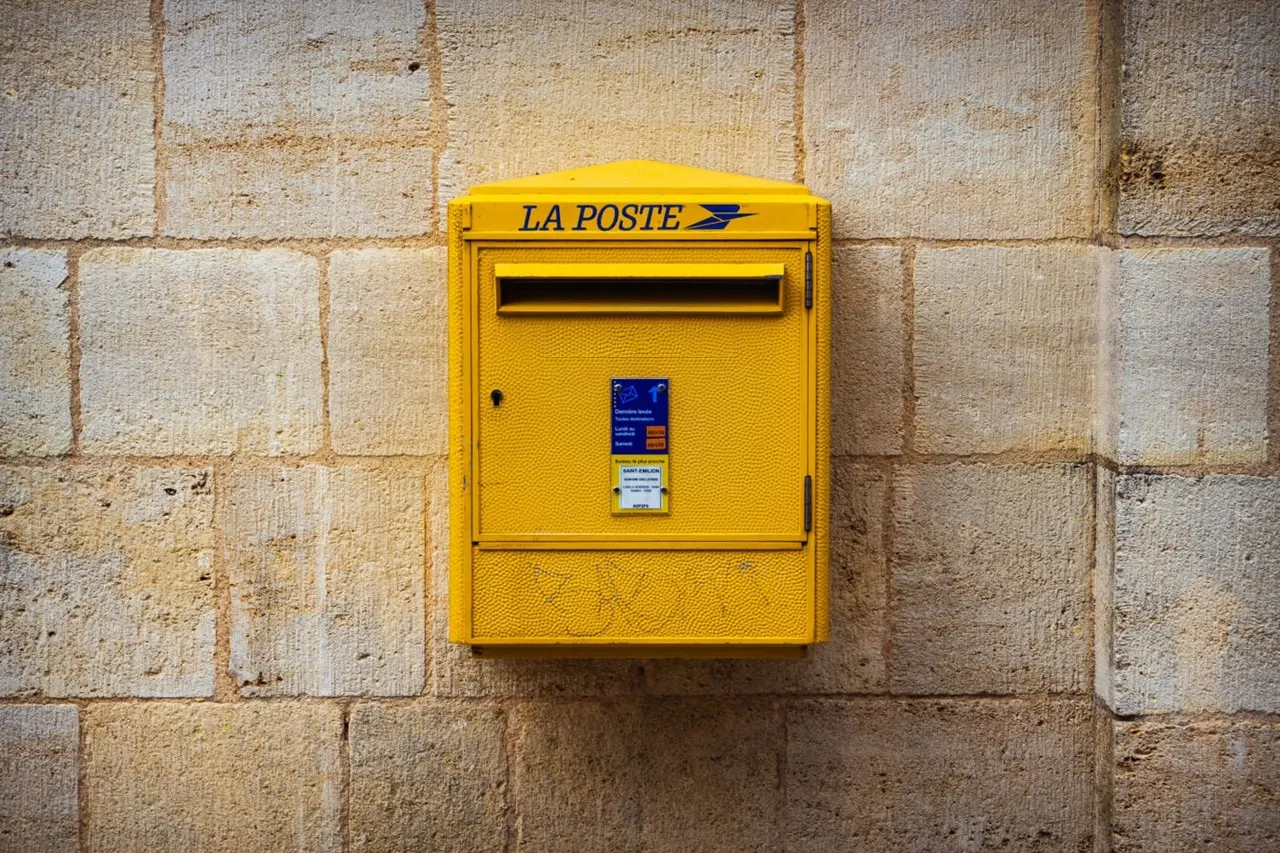
Hackers stole names and postal addresses of 22 million people from Maileva, a La Poste subsidiary. Most victims never dealt with it directly.
 SUMO· the number puzzle
 Dialo· learn languages by speaking
 ediviewer· read EDI files like documents
 giftdetect· the right gift in minutes
If you have ever received a payslip, a hospital bill or a letter from your landlord in France, you may be in the Maileva data breach. La Poste says the names and postal addresses of 22 million people were stolen from Maileva, its subsidiary that sends mail on behalf of companies. That is close to one in three French residents.
The attack happened in mid-September. On 23 September, according to the specialist site Cyberattaque.org, Maileva suspended all its services after spotting suspicious activity. The platform stayed offline for six days. At the time the company only mentioned attempted unauthorised access to customer accounts, not stolen data. It took almost two months to learn the real scale. Maileva has notified the French data protection authority, the CNIL, and filed a complaint. A judicial investigation is under way.
Who is affected by the La Poste breach?
The victims are not Maileva's customers but the people those customers write to. Maileva handles payslips, registered letters, invoices and meeting notices for more than 70,000 users, and sent 180 million documents in 2024. Internal documents seen by Cyberattaque.org point to about 39 million mail references, which come down to 22 million people once duplicates are removed.
Hospitals, laboratories and social landlords are among the organisations hit. Hôpital Foch in Suresnes has warned that reminder letters with invoice numbers, care dates and amounts were exposed. Several Inovie labs (BioMedilab, Biofusion, Labosud), the landlords Flandre Opale Habitat and Altéal, and Lorient's IZILO transport network are also named. At some organisations, up to ten years of letters may have been exposed.
It is up to each client company to warn its own recipients, Docaposte says.
How to protect yourself from phishing after the leak
A name and address tied to a hospital or landlord makes a scam very convincing. Fraudsters have already moved: according to RTL, a fake email posing as AR24, a Docaposte electronic registered mail service, urged people to click a link to read a registered letter.
Treat any unexpected message asking you to click, open an attachment or pay with suspicion. If in doubt, go to the organisation's official website directly instead of using the link. Journalist Damien Bancal also advises extra caution with phone calls, especially on Fridays and weekends.
Apps worth a look
SUMO: the number puzzleTap the right tiles, add them up, hit the target. Easy to learn, hard to master. Free, for all ages.
Dialo: learn languages by speakingTalk to an AI conversation partner; every sentence comes back corrected and explained in your language. 9 languages, A1 to C2.
ediviewer: read EDI files like documentsOpen EDIFACT and X12 messages, see every segment explained, convert to JSON/XML, export PDF and Excel. Runs locally, no upload.
giftdetect: the right gift in minutesPick who it is for, the occasion and their personality. The search engine reads product descriptions from local shops and ranks what fits. Free, no sign-up.
More from this day
See all →
Comet 220P/McNaught suddenly got 1,000 times brighter. Here's why

Coral Hart used AI to write 370 books in 20 months
WhatsApp Zaps: self-deleting photos and videos for any chat

Green SM taxis: Karnataka halts new registrations, eyes mandatory meters
More in: Security
See all →
NoisyTCP Linux bug can crash a server remotely, no login needed

Artex AI hacking tool: FBI says it breaches networks in under three hours

Estonia's digital exile government: running the state from abroad