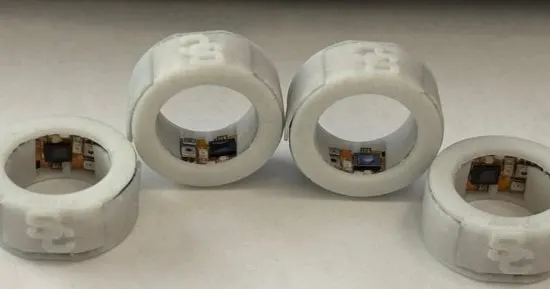
Keurig smart coffee maker used 1 TB of data in ten days
A user says his father's Keurig coffee maker burned through 1 TB of traffic in ten days, mostly scanning the home network. He unplugged it at once.

 SUMO· the number puzzle
 Dialo· learn languages by speaking
 ediviewer· read EDI files like documents
 giftdetect· the right gift in minutes
A Keurig smart coffee maker reportedly pushed 1 TB of traffic in just ten days. That is the claim of the owner's son, who says the machine mostly scanned the home network. When he noticed, he cut it off immediately.
He tried to work out what the machine was doing with Wireshark, a packet-analysis tool, and other utilities, but got nowhere. He plans to buy a different model that puts less load on the local network. The source suggests the cause could simply be a bug in the tracking software, since an ordinary network scan and device monitoring should not eat that much data.
Why would a coffee maker collect data?
The story fits a pattern. Smart TVs started it about ten years ago with ACR, automatic content recognition. Every second the TV takes a fingerprint of the screen, a string of numbers built from about twenty small pixel patches, and sends it to a server with the TV's ID. It is matched against a database of known content, much like Shazam does with music. The result is a second-by-second viewing log, and the profiles are sold to advertisers.
A Washington Post experiment, using Princeton's IoT Inspector tool, found that Samsung, LG, Vizio and TCL sets all send screen content regardless of source: cable, apps, USB stick or streaming.
Since then, suspicions have spread to smart speakers, refrigerators, kettles, earbuds and even an air fryer. There are also smart kitchen platforms such as KitchenOS, built for marketing and for keeping users engaged. Appliances that scan the home network can learn what other devices are doing, and advertisers pay for that.
Can you turn data collection off?
Usually yes, since it all happens with the owner's consent. The catch is where it hides. On Samsung TVs, ACR permission sits inside the terms and conditions menu, with an "I agree to everything" option preselected. On most devices you can switch collection off after setup if you find the right menu item.
There is a financial angle too. Since about 2021, some TV makers earn more from selling viewer profiles than from the sets themselves, which is why smart TVs cost less than basic ones.
Apps worth a look
SUMO: the number puzzleTap the right tiles, add them up, hit the target. Easy to learn, hard to master. Free, for all ages.
Dialo: learn languages by speakingTalk to an AI conversation partner; every sentence comes back corrected and explained in your language. 9 languages, A1 to C2.
ediviewer: read EDI files like documentsOpen EDIFACT and X12 messages, see every segment explained, convert to JSON/XML, export PDF and Excel. Runs locally, no upload.
giftdetect: the right gift in minutesPick who it is for, the occasion and their personality. The search engine reads product descriptions from local shops and ranks what fits. Free, no sign-up.
More from this day
See all →
MoldyRoost ad campaign can hack iPhones with one tap, Confiant says

VMware vCenter bug CVE-2026-123890 was exploited in September

South Korea's Suneung exam alert caught 49 students with phones

Kh-101 missiles found at three crash sites in Poland, prosecutors say
More in: Hardware
See all →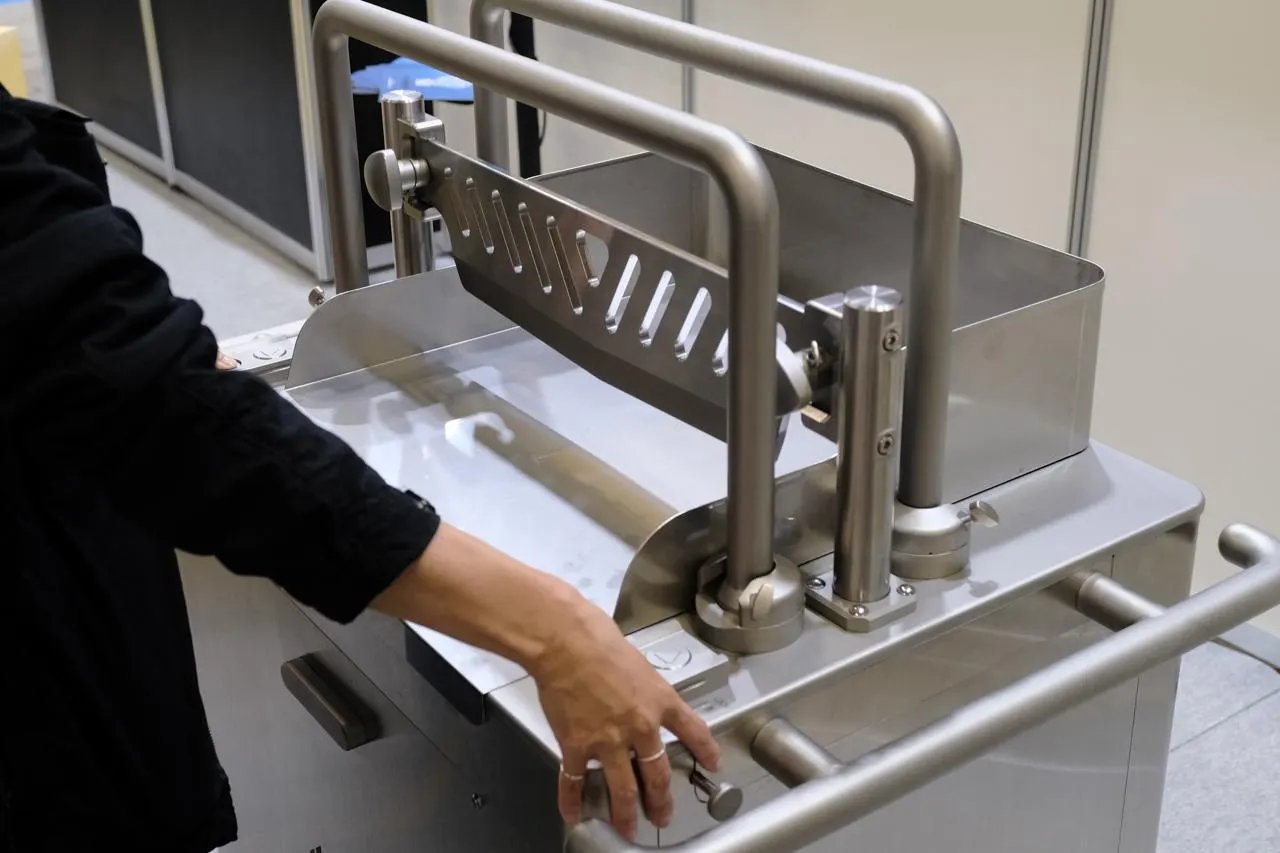
BataSla: The Machine That Slices 25 kg Blocks of Frozen Butter
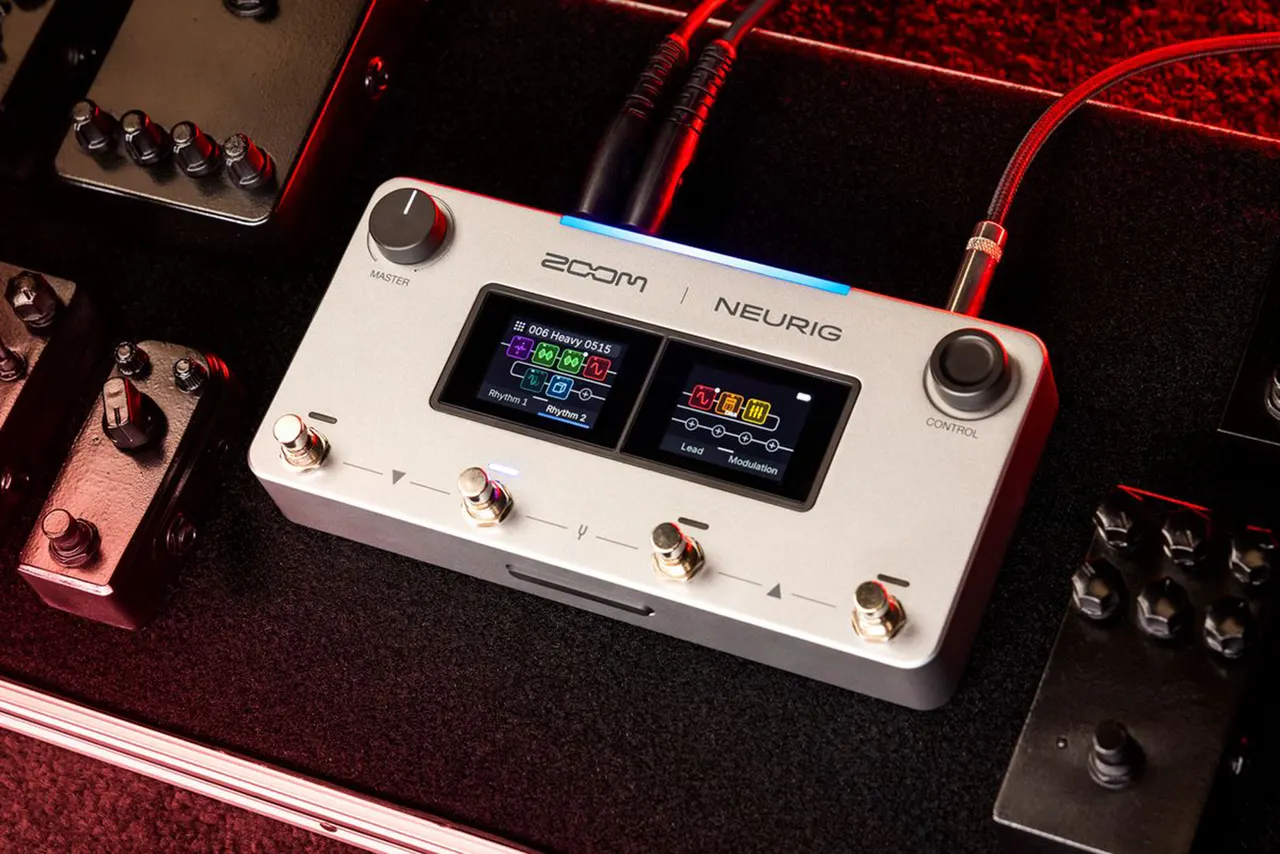
ZOOM NEURIG Lets You Describe a Guitar Tone and AI Builds It
Kodak SlideTag: a $34.99 keychain photo frame that tracks