Japan Warns Firms Over Data Leaks Tied to Basic Security Gaps
Japan's National Cyber Office has issued an advisory after a string of personal data leaks, citing weak basic defenses and attackers' likely use of AI.
 SUMO· the number puzzle
 Dialo· learn languages by speaking
 ediviewer· read EDI files like documents
 giftdetect· the right gift in minutes
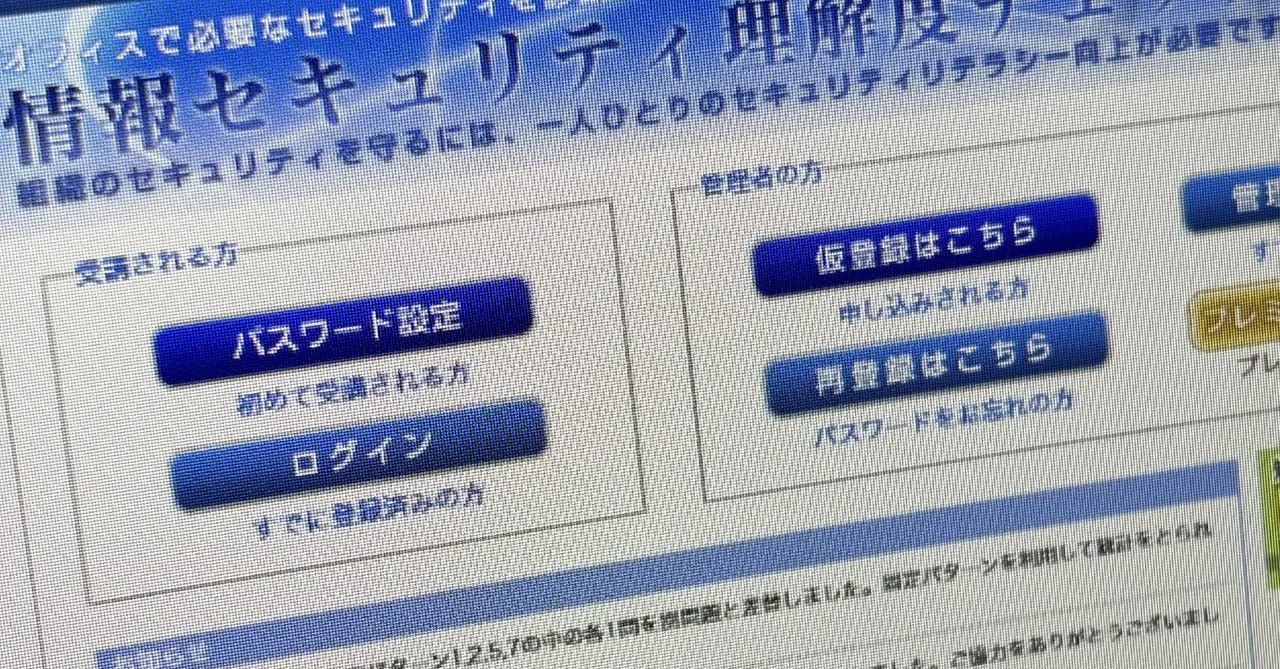
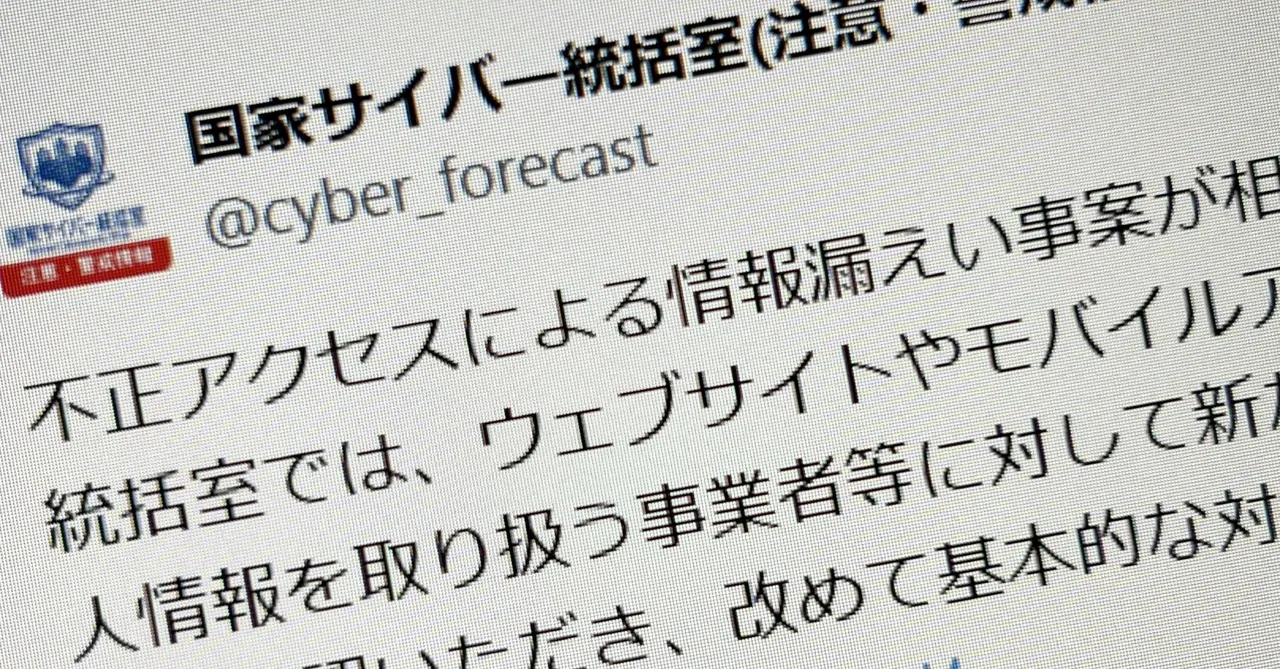
Japan's National Cyber Office, part of the Cabinet Secretariat, on November 5 published an advisory for operators of websites and mobile apps following a run of personal data leaks in the country. The office said it had confirmed several cases in which inadequate basic security measures appear to have been the cause, and urged companies to tighten their defenses.
According to the office, attackers are scanning websites across the internet at scale to find systems they can break into and steal personal data. It assesses that AI is likely being used for this reconnaissance and intrusion. Combining several issues that traditional vulnerability scans rated as relatively low risk can open a path into a system, and the approach makes attacks easier to scale, widening the range of companies at risk.
The office also pointed to weaknesses on the operator side: insufficient security in mobile app development, misconfigured websites, and continued use of software that is no longer supported or has known, unpatched vulnerabilities.
Three areas of countermeasures
The first covers operations and management. Companies should map the software they run and its vulnerabilities, and set priorities and deadlines for fixes. The office cited admin panels exposed to the internet that were breached through guessable passwords or brute-force attacks, and told firms not to expose unnecessary panels or functions. It also encouraged continuous vulnerability testing, including with AI, and log analysis to spot suspicious behavior.
The second covers design and development. The office called for security by design from the start of a project. It has seen attackers analyze published apps to pull data illicitly through APIs, so it asked for access restrictions and proper handling of credentials, and recommended vulnerability testing before launch for systems that handle personal data.
The third covers the supply chain. Intruders have used the environments of contractors and maintenance providers to reach the companies that hired them. The office wants firms to identify connection routes such as VPNs and remote desktops used by contractors and to introduce multi-factor authentication. It also asked companies to define first-response procedures for when serious flaws in open-source software or external libraries are disclosed.
The office issued an earlier advisory on October 9 calling for prompt patching and multi-factor authentication across organizations. The new notice extends that guidance to the operation and development of websites and apps.
Apps worth a look
SUMO: the number puzzleTap the right tiles, add them up, hit the target. Easy to learn, hard to master. Free, for all ages.
Dialo: learn languages by speakingTalk to an AI conversation partner; every sentence comes back corrected and explained in your language. 9 languages, A1 to C2.
ediviewer: read EDI files like documentsOpen EDIFACT and X12 messages, see every segment explained, convert to JSON/XML, export PDF and Excel. Runs locally, no upload.
giftdetect: the right gift in minutesPick who it is for, the occasion and their personality. The search engine reads product descriptions from local shops and ranks what fits. Free, no sign-up.
More from this day
See all →
Citus Demonstrates GPS-Free Firefighter Tracking, Eyes Military Use

Google Cloud expands CodeMender and AI agent security tools

Operation Ghostbusters: 830,840 Suspected Ghost Students Found