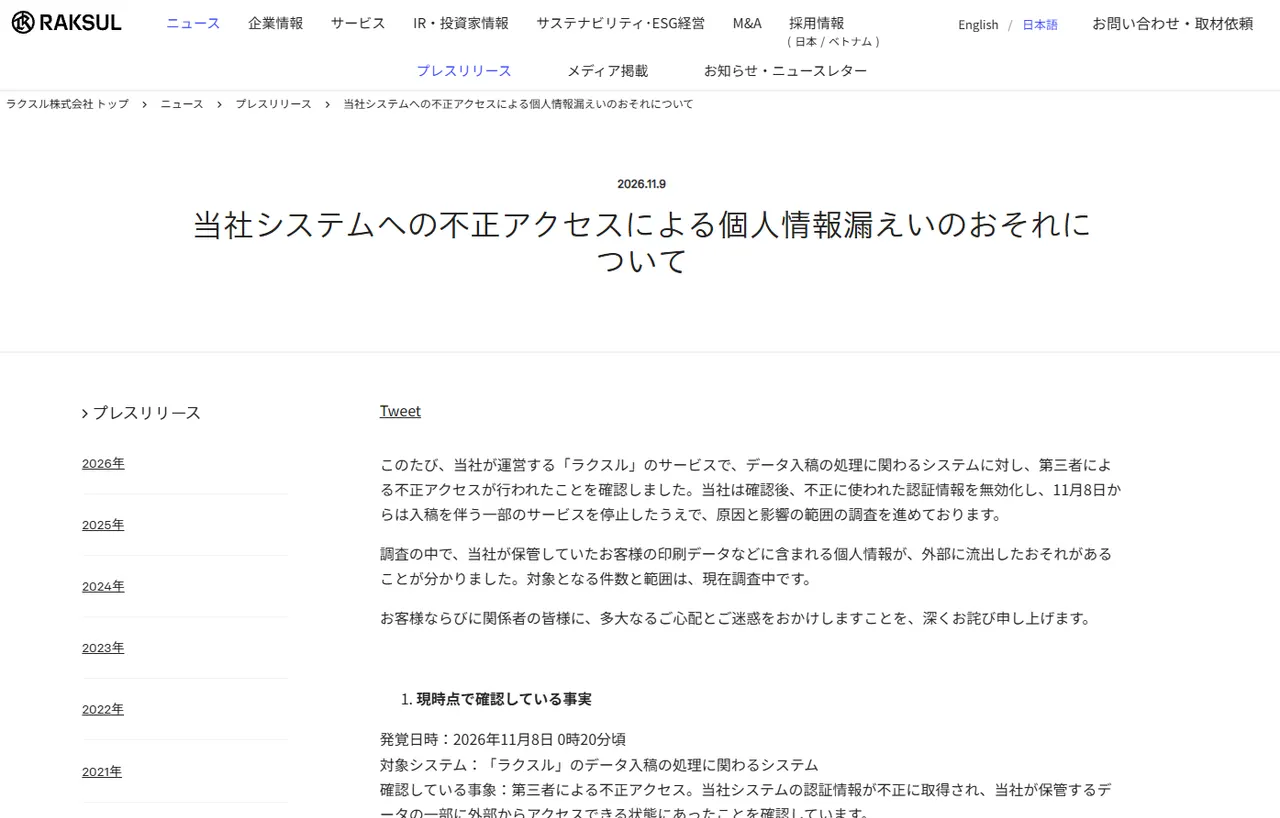
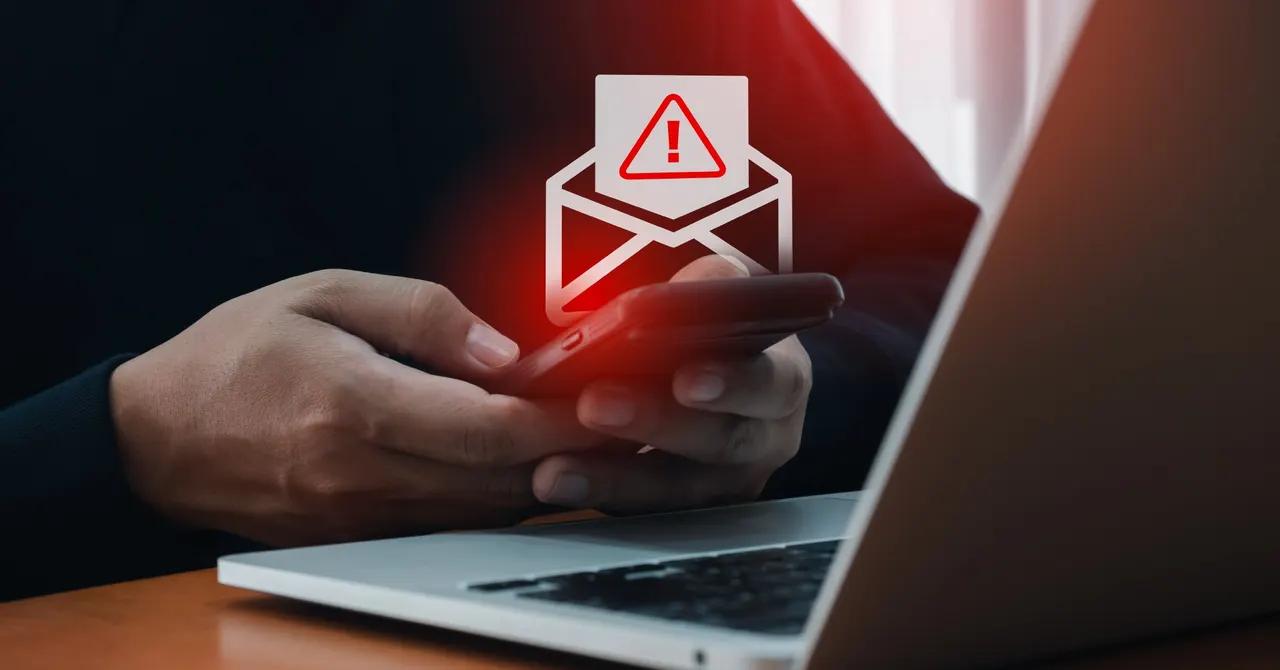
Japan Data Breaches Raise Fears of Personalized Phishing Emails
After a wave of corporate breaches in Japan since late September, security firms see phishing rising and warn that leaked data could make scam emails far more personal.
 SUMO· the number puzzle
 Dialo· learn languages by speaking
 ediviewer· read EDI files like documents
 giftdetect· the right gift in minutes
Phishing reports in Japan are trending upward, and security specialists warn that personal data leaked in a string of recent corporate breaches could soon make scam emails far more convincing. Companies have faced unauthorized access since late September, with customer and user information exposed at many of them. Affected firms say they have found no misuse of the leaked data, but they urge people to watch for fraudulent emails and calls.
What the monitors see
The Council of Anti-Phishing Japan, which collects phishing information, says reports of phishing emails are rising, though it could not confirm a direct link to the breaches. It adds a caveat: monthly report counts had fallen to about half the level seen between October 2025 and January 2026, so the current rise may simply be a rebound.
The number of unique phishing URLs had not dropped as sharply. The council reads this as a decline in mass-mailing of identical URLs, and warns that large-scale distribution could return once attackers rebuild their infrastructure.
Security firm Check Point Technologies also sees more phishing emails. Their content has not changed much, it says, but attacks increasingly target companies that offer attackers a payoff. It stresses that a connection to the leaks has not been established.
Why personalization matters
Check Point says leaked data could sharpen targeting. Familiar lures such as a failed membership-fee payment or an extra charge could reach people who might actually face such a situation. Combining different leaked data sets would also make a target's profile clearer and convincing phishing scenarios easier to build, the company expects.
Tobila Systems, which provides scam call and email countermeasures, did not disclose detection figures. It says scams abusing personal data are likely to grow, and it has already seen emails with personal details and URLs that differ from message to message. That points to a shift from indiscriminate mailing toward targeting individuals.
What to do
Individuals are advised to enable multi-factor authentication and avoid opening URLs directly from emails. Companies should be wary of messages posing as customer support or internal IT and training departments that demand urgent action. Check Point singles out calendar invitations with .ics attachments and notices that appear to come from Microsoft tools, and recommends passing them to security staff first.
Apps worth a look
SUMO: the number puzzleTap the right tiles, add them up, hit the target. Easy to learn, hard to master. Free, for all ages.
Dialo: learn languages by speakingTalk to an AI conversation partner; every sentence comes back corrected and explained in your language. 9 languages, A1 to C2.
ediviewer: read EDI files like documentsOpen EDIFACT and X12 messages, see every segment explained, convert to JSON/XML, export PDF and Excel. Runs locally, no upload.
giftdetect: the right gift in minutesPick who it is for, the occasion and their personality. The search engine reads product descriptions from local shops and ranks what fits. Free, no sign-up.
More from this day
See all →
Calogena wins €40 million EU grant for first commercial SMR
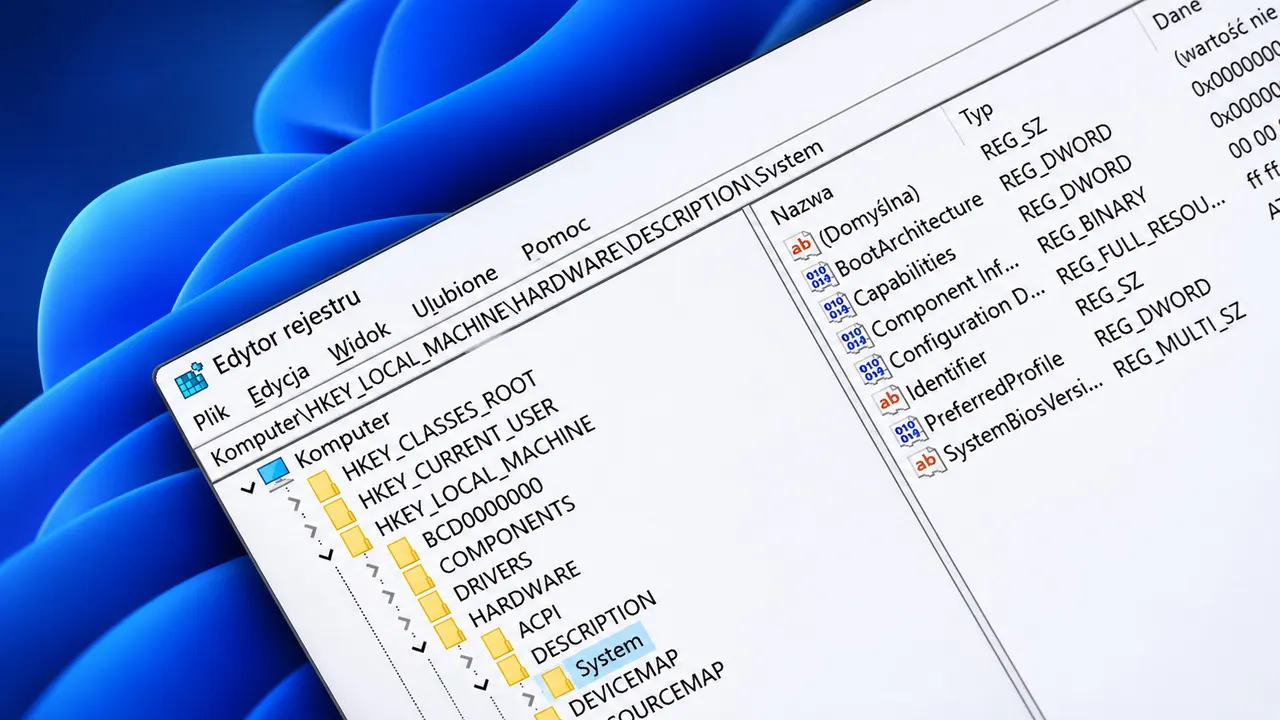
Windows 11 Registry Editor Gets a WinUI 3 Version as a Demo
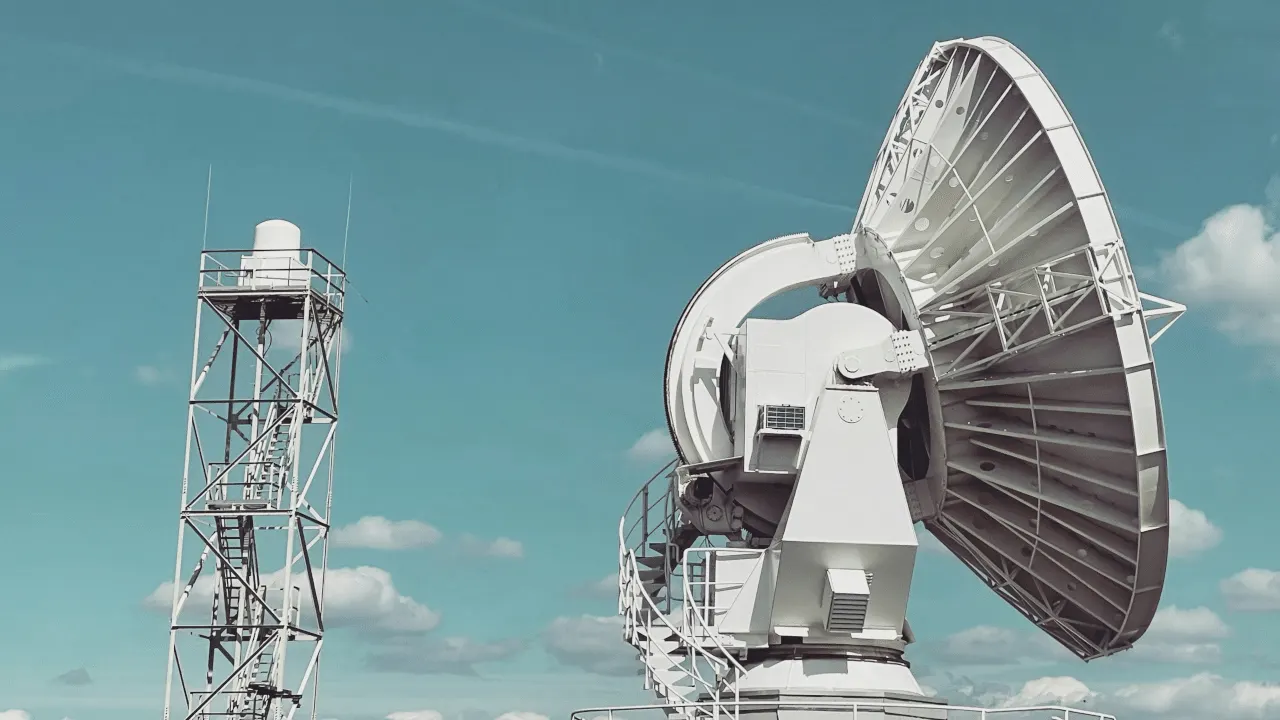
JRH ASI to Finance Radar System Production for Ukrainian Partner

Budimex Tests Autonomous Rollers as Poland's Labor Shortage Bites
More in: Security
See all →
FBI and CISA Warn Hackers Are Targeting Industrial Fridges Worldwide
Spain asks prosecutors to investigate TikTok over child abuse videos
HSI Has Sent 185,000 Administrative Subpoenas Since January 2025