HYDEF: Europe Completes First Phase of Hypersonic Interceptor
The European HYDEF programme has met all its technology goals in phase one. Poland is part of the consortium now preparing a demonstrator due by 2030.
 SUMO· the number puzzle
 Dialo· learn languages by speaking
 ediviewer· read EDI files like documents
 giftdetect· the right gift in minutes
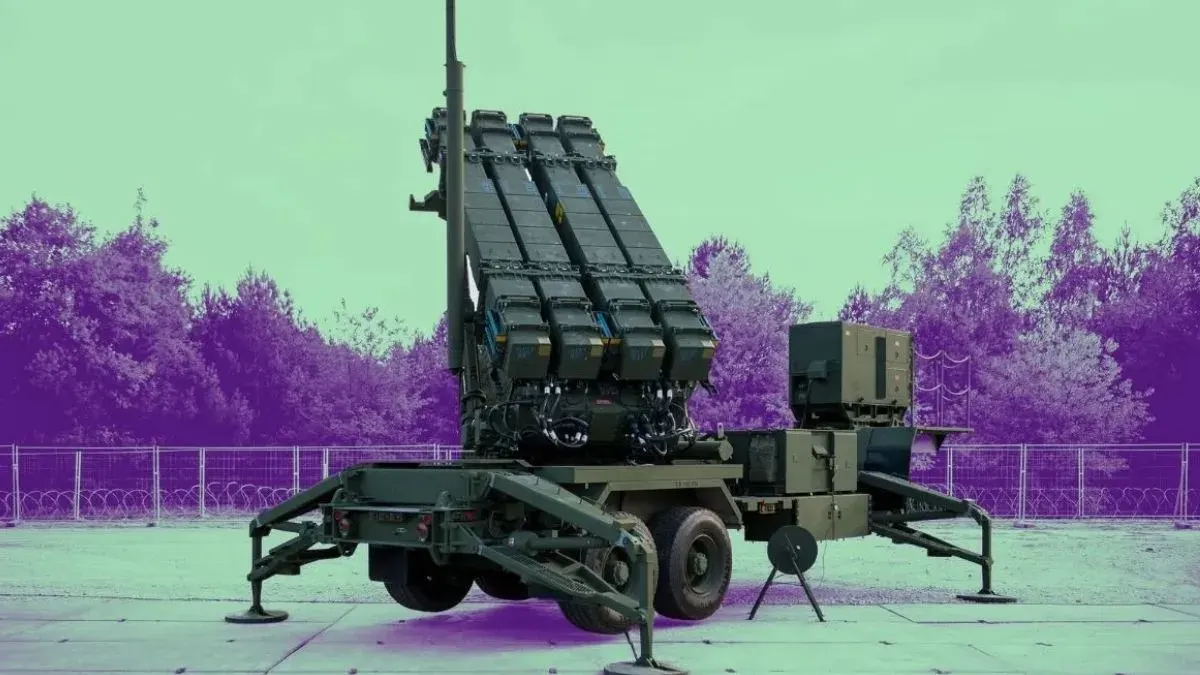
Europe has completed the first phase of work on a missile meant to intercept some of the hardest-to-stop weapons in use today. The HYDEF programme, which includes Poland, has met all of its technology goals, and the consortium is now preparing to build a demonstrator that could eventually counter manoeuvring hypersonic missiles.
On 22 October in Madrid, representatives of five countries, the OCCAR organisation and the defence industry reviewed three years of work on the European Hypersonic Defence Interceptor. According to OCCAR, all key technologies have reached at least technology readiness level (TRL) 3, meaning their basic principles have been confirmed experimentally. Some of the most advanced solutions have reached TRL 4 to 6.
Budget and partners
The project began in October 2023 with a budget of 110 million euros. Of that, 100 million came from the European Defence Fund, and the remaining 10 million was provided by Poland, Germany, Spain, Belgium and Norway. The first phase focused on concept work, verifying technical solutions and reducing risk. It also included an analysis of system requirements and a schedule for later work.
Why hypersonic weapons are hard to stop
Hypersonic weapons travel faster than Mach 5, but speed is not the only problem. Manoeuvring glide vehicles and missiles can change direction in flight, which makes their trajectory hard to predict. The final phase of flight is especially demanding: the interceptor must correct its path precisely when the target turns, and at such speeds even a small error means a miss. HYDEF covers guidance systems, sensors, rocket propulsion and control mechanisms for sharp manoeuvres.
Two Polish institutes take part: the Łukasiewicz Research Network – Institute of Aviation and the Air Force Institute of Technology. The former works on aerodynamics, propulsion and control of the kill vehicle. The latter works on aerodynamic design, warhead solutions and hit-to-kill technology, which destroys the target through direct impact. According to OCCAR data, EU funding assigned to the two institutes totals about 7.6 million euros, with roughly 5.8 million going to the Institute of Aviation.
What comes next
OCCAR plans a technology demonstrator at TRL 6 by 2030, allowing integrated solutions to be tested in conditions close to real use. That is not the same as fielding a weapon: integration, interception trials and military qualification remain. No date for serial production or potential customers has been announced.
HYDEF is linked to the European TWISTER initiative on early warning and interception. The missile would be only one part of that architecture, alongside radars, satellites and command systems, similar to those being developed in the Odin's Eye project.
Apps worth a look
SUMO: the number puzzleTap the right tiles, add them up, hit the target. Easy to learn, hard to master. Free, for all ages.
Dialo: learn languages by speakingTalk to an AI conversation partner; every sentence comes back corrected and explained in your language. 9 languages, A1 to C2.
ediviewer: read EDI files like documentsOpen EDIFACT and X12 messages, see every segment explained, convert to JSON/XML, export PDF and Excel. Runs locally, no upload.
giftdetect: the right gift in minutesPick who it is for, the occasion and their personality. The search engine reads product descriptions from local shops and ranks what fits. Free, no sign-up.
More from this day
See all →
Citus Demonstrates GPS-Free Firefighter Tracking, Eyes Military Use

Google Cloud expands CodeMender and AI agent security tools

Operation Ghostbusters: 830,840 Suspected Ghost Students Found

JNSA Security Quiz Service Hit by Breach, 15,128 Records at Risk
More in: Other
See all →
MQ-9B Drone Passes LoyalEye Radar Test, Tracking Fighter Jets

South Korea Cracks Down on AI Smart Glasses Ahead of CSAT Exam

JR East to Launch Automatic Train Operation on Keihin-Tohoku Line