Hybrid warfare in Europe: fridges hit 50 °C and fake bomb threats
Supermarket fridges heated to 50 °C, a French blood bank's freezers tampered with, fake bomb emails grounding planes. Is Europe facing hybrid warfare?
 SUMO· the number puzzle
 Dialo· learn languages by speaking
 ediviewer· read EDI files like documents
 giftdetect· the right gift in minutes
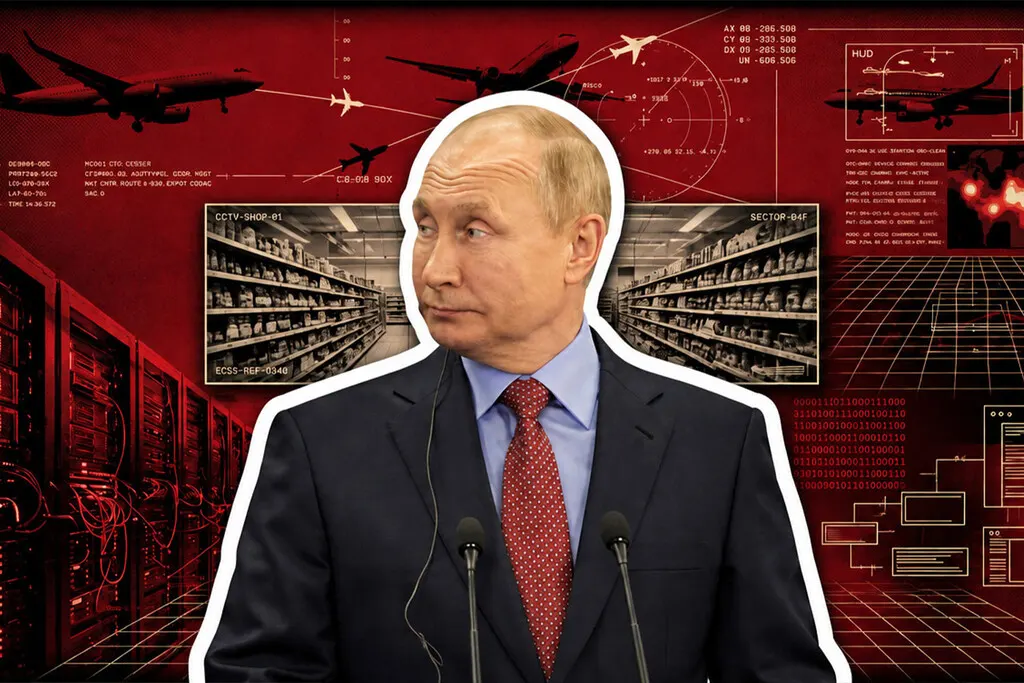
For a month now, Europe has been hit by attacks on the most ordinary things. Fridges in several supermarket chains climbed to 50 degrees. A French blood bank had its freezers manipulated. Fake bomb threats put planes and schools on alert. Taken one by one, they look like isolated cyberattacks. Taken together, a pattern shows up across several countries, and the question is whether this is hybrid warfare.
What is hybrid warfare?
Italian defence minister Guido Crosetto described a war fought "below the threshold". The attacker hides its origin, so nobody can point at a clear culprit and nobody claims the strike. The blows are small enough not to justify a military response, but they can be repeated, wearing down governments by spreading chaos and unease.
Its best weapon is asymmetry. A fake email takes minutes to write, yet it can force an airport to evacuate, planes to divert or fighter jets to scramble. The EU cybersecurity agency ENISA also sees criminals, activists and state spies sharing tools and methods, which makes the source ever harder to tell.
What do the attackers want?
The first aim is psychological: create insecurity and test how each state reacts. How many jets scrambled last week, and under what conditions, is useful information for an adversary. It also ties up military resources that could go to open conflicts like Ukraine.
The second is political. Sidharth Kaushal of the RUSI think tank told CNBC the goal is to show European leaders how costly certain geopolitical decisions can be. Authorities have also detected foreign interference in cost-of-living protests, aimed at making them more aggressive.
The targets are connected and badly protected. The pro-Russian groups that claimed the fridge attack admitted they used no malware, only default passwords and misconfigured access. They warned that water and electricity could be next. Check Point reports global cyberattacks up 32% in October (13% in Spain) and blames AI for automating attacks that once took days or weeks.
Who is behind the attacks?
European intelligence sources see Moscow's hand, since Russia has hardened its hybrid offensive as the Ukraine war stalled. But no evidence points to Russia, Moscow denies involvement, and some officials admit there may never be a definitive attribution. France blamed Iran's Revolutionary Guard for the supermarket attack and will seek EU sanctions. North Korea looks unlikely: its hackers chase money or espionage, and sabotage with no payoff fits that poorly.
Apps worth a look
SUMO: the number puzzleTap the right tiles, add them up, hit the target. Easy to learn, hard to master. Free, for all ages.
Dialo: learn languages by speakingTalk to an AI conversation partner; every sentence comes back corrected and explained in your language. 9 languages, A1 to C2.
ediviewer: read EDI files like documentsOpen EDIFACT and X12 messages, see every segment explained, convert to JSON/XML, export PDF and Excel. Runs locally, no upload.
giftdetect: the right gift in minutesPick who it is for, the occasion and their personality. The search engine reads product descriptions from local shops and ranks what fits. Free, no sign-up.
More from this day
See all →
Comet 220P/McNaught suddenly got 1,000 times brighter. Here's why

Coral Hart used AI to write 370 books in 20 months

WhatsApp Zaps: self-deleting photos and videos for any chat

Green SM taxis: Karnataka halts new registrations, eyes mandatory meters
More in: Security
See all →
NoisyTCP Linux bug can crash a server remotely, no login needed
Artex AI hacking tool: FBI says it breaches networks in under three hours

Estonia's digital exile government: running the state from abroad