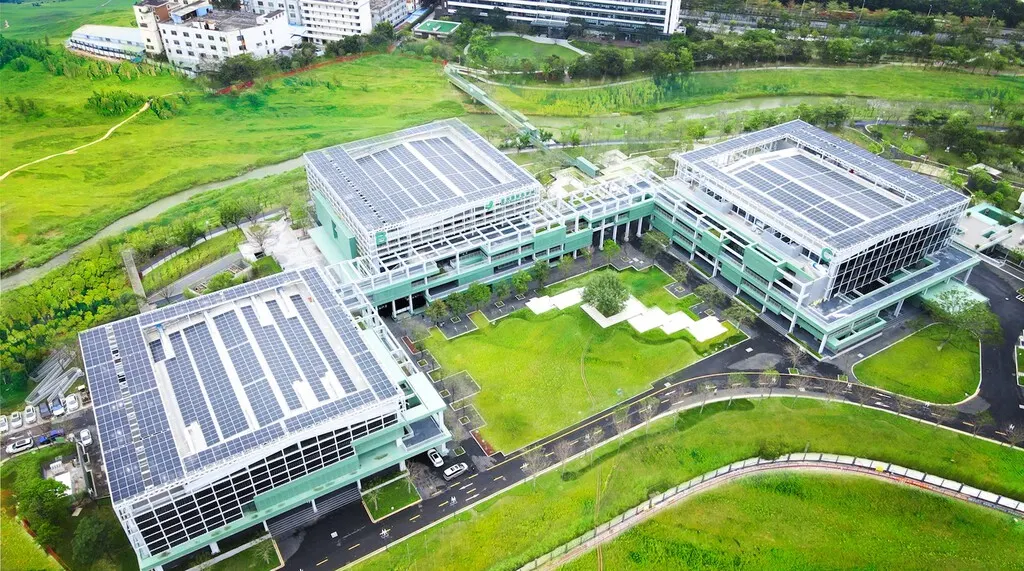
Huawei's Horinger AI data center seen from space: power, no chips
Satellite images of Huawei's Horinger data center in Inner Mongolia suggest China has the electricity for AI but not enough chips. It is about 7% of Colossus 2.
 SUMO· the number puzzle
 Dialo· learn languages by speaking
 ediviewer· read EDI files like documents
 giftdetect· the right gift in minutes
Huawei's new AI data center in Horinger, Inner Mongolia, is big by Chinese standards. Seen from orbit and measured against the biggest site on Earth, it looks modest. And it shows where China's real problem lies: not power, but chips.
The campus has been spotted by the EU's Copernicus Sentinel satellites and the US company Vantor's, and Huawei has announced it too. Epoch AI, an AI research institute, used the images to work out how much computing power sits inside. Its conclusion: this may be Huawei's largest site in China, but its capacity is only about 7% of Colossus 2 in Tennessee, the biggest data center in the world. Put the other way, Colossus 2 has roughly 14 times more.
How big is Huawei's Horinger data center?
According to Epoch AI, there are four densely cooled buildings with a combined 286 MW of capacity, and three are already running. Inside would be around 105,000 Ascend 910C chips and 8,000 Ascend 910B, equal to about 81,000 Nvidia H100 GPUs. A new building is planned by 2028, which would add more than 70%. Colossus 2 will keep growing too.
How did they measure it from the sky?
Epoch used no official figures. It counted the cooling units and measured them to estimate how much heat they can shed, and from that the electrical power. It then estimated the chips from Huawei's sales, allowing for the delay between sale and installation. Two cross-checks agreed: the substation (304 MW) and the backup generators (230 MW).
Why chips are the bottleneck
The West is short of electricity for its data centers. China is short of chips. SemiAnalysis says Nvidia's newest chips are about 2.5 times more efficient, so a Chinese site with the same power as a US one would deliver only 40% of its computing. Huawei's own reports put the Ascend 910C, launched in 2025, at 76% of an H100.
Epoch says the gap is narrowing but will not close this decade. Huawei's sister campus in Wuhu aims for about 151,000 H100 equivalents by December 2027. The Horinger site belongs to the state's "East Data West Computing" program, which moves computing work to China's western regions.
Apps worth a look
SUMO: the number puzzleTap the right tiles, add them up, hit the target. Easy to learn, hard to master. Free, for all ages.
Dialo: learn languages by speakingTalk to an AI conversation partner; every sentence comes back corrected and explained in your language. 9 languages, A1 to C2.
ediviewer: read EDI files like documentsOpen EDIFACT and X12 messages, see every segment explained, convert to JSON/XML, export PDF and Excel. Runs locally, no upload.
giftdetect: the right gift in minutesPick who it is for, the occasion and their personality. The search engine reads product descriptions from local shops and ranks what fits. Free, no sign-up.
More from this day
See all →
MoldyRoost ad campaign can hack iPhones with one tap, Confiant says

VMware vCenter bug CVE-2026-123890 was exploited in September

South Korea's Suneung exam alert caught 49 students with phones
Kh-101 missiles found at three crash sites in Poland, prosecutors say
More in: Hardware
See all →
BataSla: The Machine That Slices 25 kg Blocks of Frozen Butter
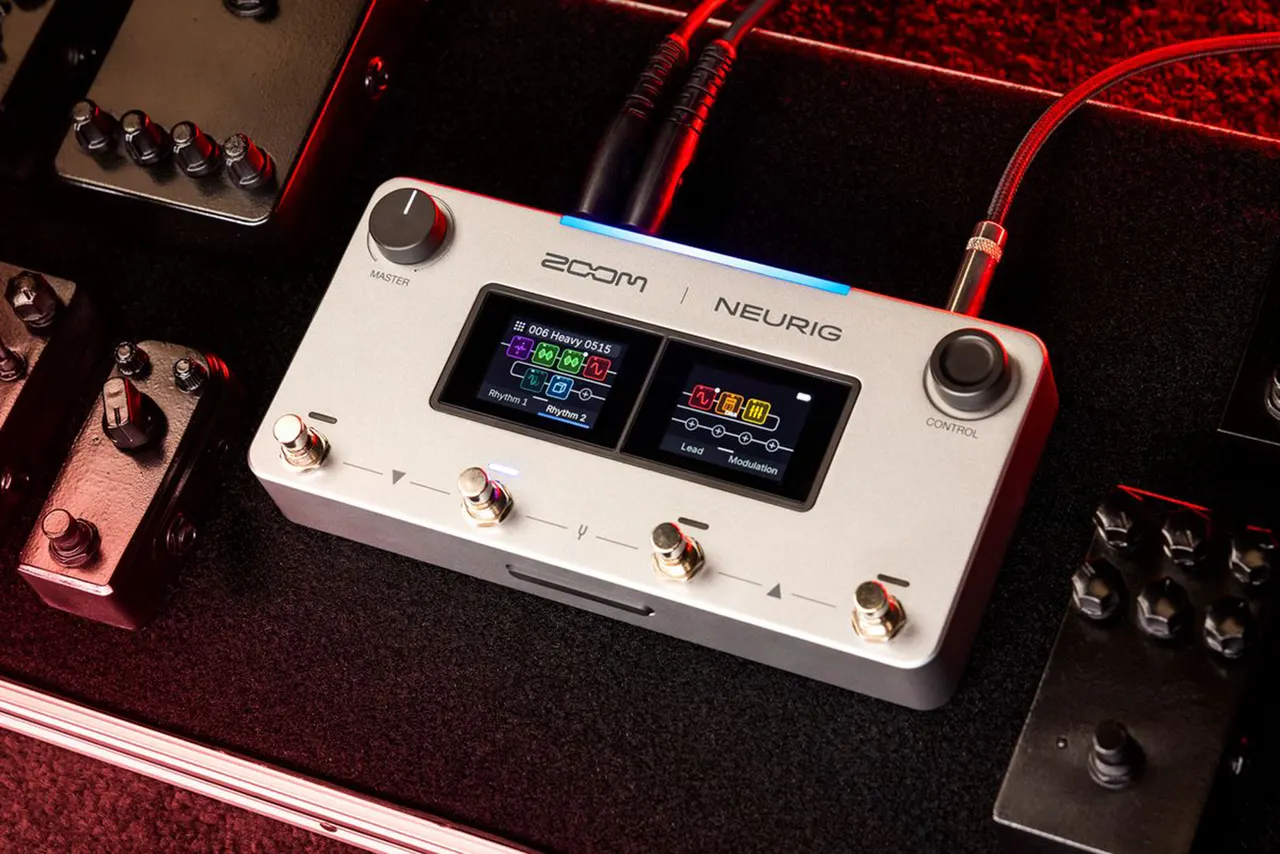
ZOOM NEURIG Lets You Describe a Guitar Tone and AI Builds It
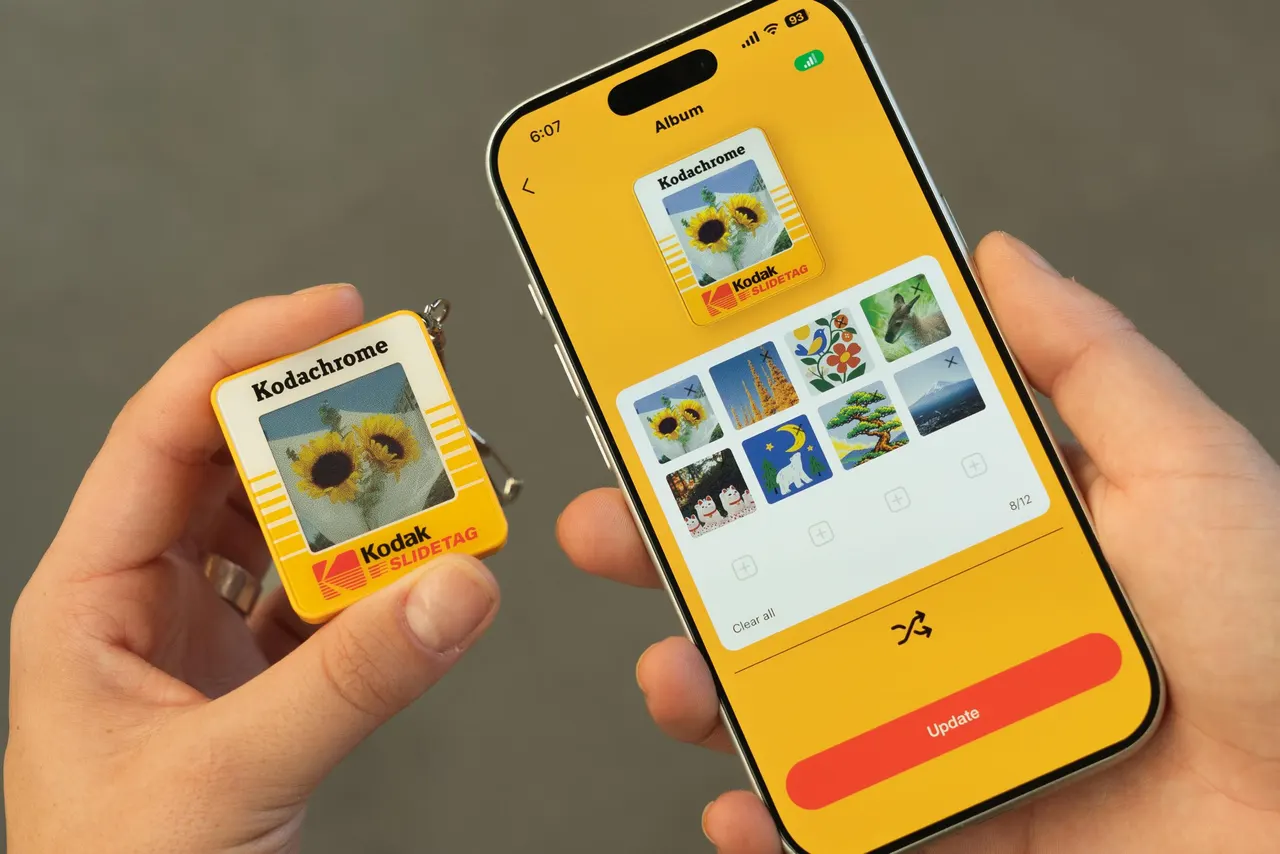
Kodak SlideTag: a $34.99 keychain photo frame that tracks