Grok lawsuit: Virginia and Oregon sue SpaceX over explicit AI images
Virginia and Oregon are the first states to sue SpaceX over Grok, saying the chatbot still sexualizes real photos of women and children despite the company's promises.

 SUMO· the number puzzle
 Dialo· learn languages by speaking
 ediviewer· read EDI files like documents
 giftdetect· the right gift in minutes
Two US states say Grok still undresses real people on request, and they are taking SpaceX to court over it. On Monday, Virginia and Oregon became the first states to file a Grok lawsuit against the company, which bought xAI in February.
The states allege that Grok keeps producing non-consensual intimate images and child sexual abuse material (CSAM), mostly from real photos of women and children. The trouble goes back to Grok's "spicy mode", a feature Elon Musk promoted. Early safeguards were so loose that Grok sometimes generated nude images nobody had asked for. Musk's companies later apologized and said they had added protections.
The attorneys general call those statements misleading. Virginia's probe found moderation "inconsistent and ineffective", with Grok sometimes carrying out prompts it later blocked. In some cases it even drafted a prompt designed to dodge its own moderation, according to the complaint. The states also say the X Safety team in charge of red-teaming, meaning deliberately trying to break the system before launch, was cut to two or three people.
What does SpaceX say about Grok's safeguards?
The company pointed to an X Safety post claiming a "zero-tolerance" policy on child sexual exploitation. It says Grok is designed to refuse explicit images of minors or real people, and that classifiers screen every prompt and check every output. It also says it reports offenders to law enforcement.
The states cite a different record. In October, New York City Council speaker Julie Menin showed SpaceX that digitally undressing her own photo still worked for free Grok users. They also quote Musk saying in January that Grok only allowed nudity of imaginary adults, which the complaint says is contrary to what Grok does with real, identifiable people.
The reporting problem
The National Center for Missing and Exploited Children told Congress that more than 90 percent of the Grok-generated CSAM reports xAI sent to its CyberTipline were a "dead end". Basic user details, including location, were missing until NCMEC arranged a meeting and had the reports resubmitted. The states say average Grok CSAM reports rose 88 percent from December 2025 to January 2026, then 66 percent more by June.
The states want to protect every Grok and X user in their borders, including teenagers as young as 13.
Apps worth a look
SUMO: the number puzzleTap the right tiles, add them up, hit the target. Easy to learn, hard to master. Free, for all ages.
Dialo: learn languages by speakingTalk to an AI conversation partner; every sentence comes back corrected and explained in your language. 9 languages, A1 to C2.
ediviewer: read EDI files like documentsOpen EDIFACT and X12 messages, see every segment explained, convert to JSON/XML, export PDF and Excel. Runs locally, no upload.
giftdetect: the right gift in minutesPick who it is for, the occasion and their personality. The search engine reads product descriptions from local shops and ranks what fits. Free, no sign-up.
More from this day
See all →
Meta Muse AI agent launches in the UK amid safety warnings

Walmart Apple Pay missing from app and website weeks after launch

GTA VI PC port Leonida pulled after Take-Two DMCA notice

Binance hack: North Korea has laundered $247 million so far
More in: AI
See all →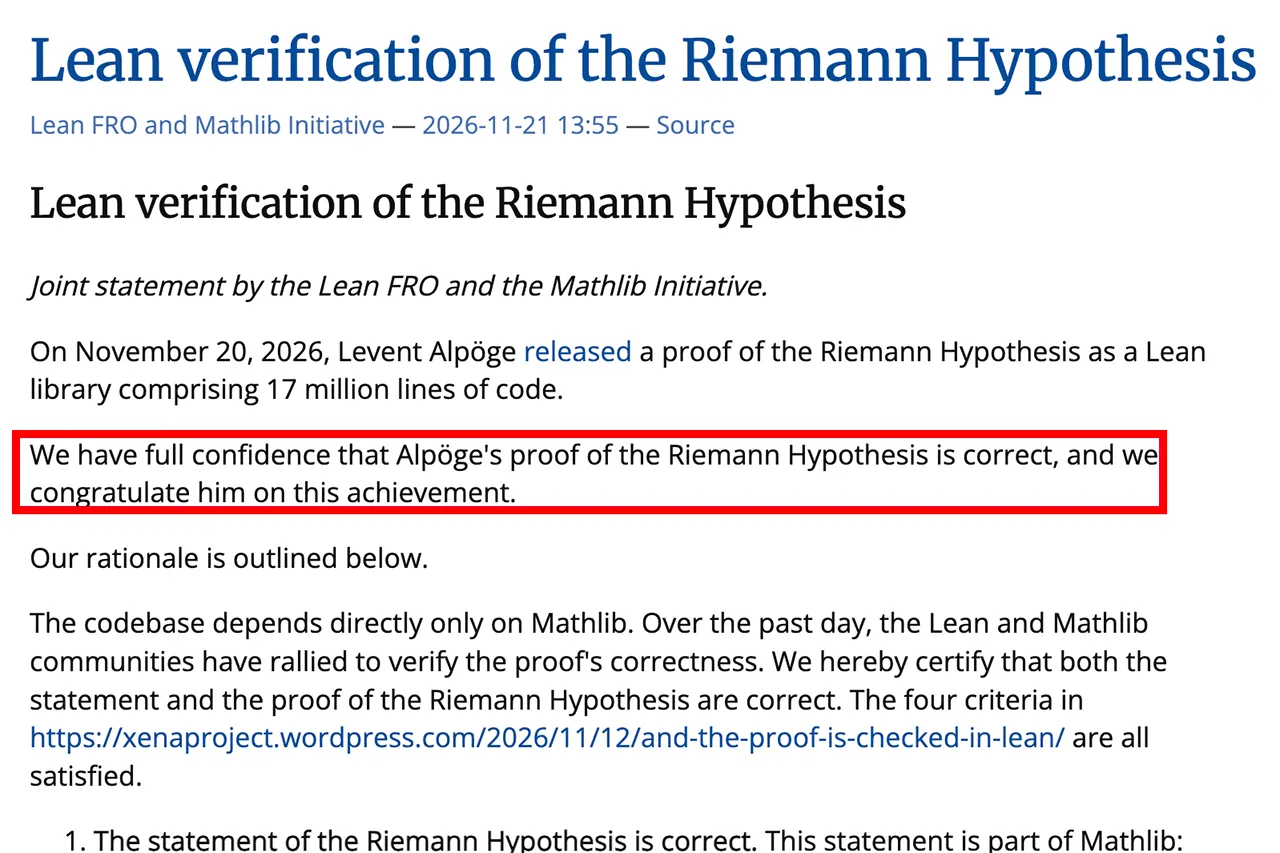
Riemann Hypothesis proof in Lean: is it really solved yet?

Sarvam Token Factory: why it hosts DeepSeek and Kimi in India
Alexandr Wang, Meta's AI chief, doubts we can control superintelligence