Gramiyaa Turns Quick Commerce Into 35% of Its Revenue
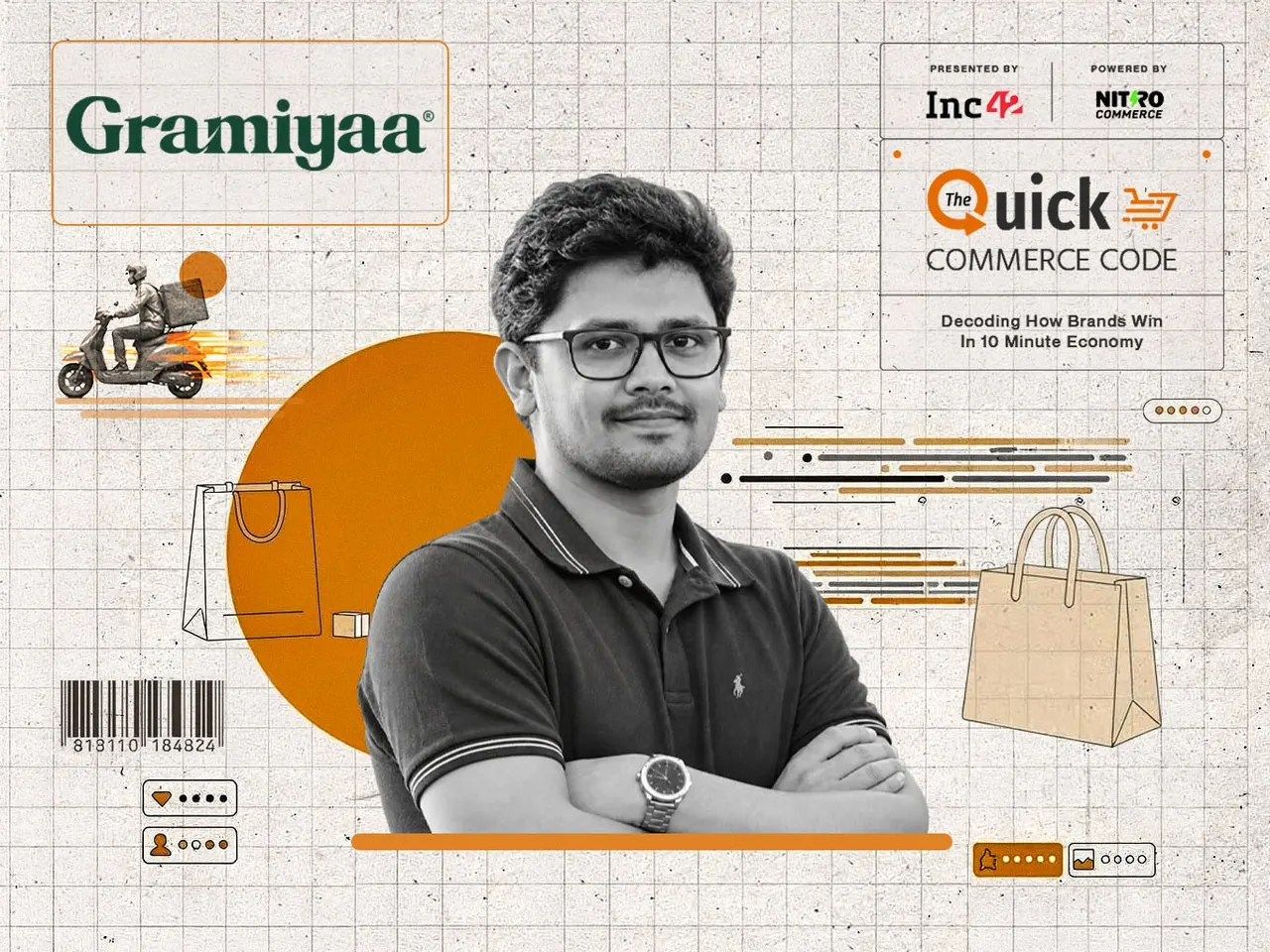
Cold-pressed oil brand Gramiyaa now earns 35% of its ₹5 crore monthly revenue from quick commerce, after absorbing steep commissions and months of losses.
 SUMO· the number puzzle
 Dialo· learn languages by speaking
 ediviewer· read EDI files like documents
 giftdetect· the right gift in minutes
Gramiyaa, a premium cold-pressed edible oil brand, now draws 35% of its ₹5 crore monthly recurring revenue from quick commerce, making it the company's largest sales channel. Getting there took months of losses, heavy ad spending and a change of mindset.
Cofounder Mohamed Yaseen says the brand listed on Blinkit in 2024 after a year of hesitation. As a small, unproven name, Gramiyaa was paying roughly twice the commission of national cooking oil brands, while operating on profit margins of just 2-3%. Brands entering with three to four SKUs may also be expected to spend ₹5-10 lakh a month on advertising before demand is established, he said.
From D2C to the supermarket mindset
The company began in 2018 as a Chennai offline business selling unbranded oil through five to six shops, and relaunched in 2022 as a D2C brand. Its own website offered limited room to grow, and listing on Amazon in November 2022 cannibalised existing website sales at lower earnings per order. Quick commerce looked like the next route to scale.
After listing, the channel stayed loss-making for nearly six months. According to Yaseen, most brands that do reasonably well on quick commerce barely break even or lose money for six months to a year, and those without capital often pause or exit. Gramiyaa had already raised funding. The company adopted a supermarket-style approach, prioritising fewer SKUs, city-level demand and pricing discipline, with a focus on sales velocity and product availability.
Commissions came down with scale
Once monthly sales rose from ₹5 lakh to ₹10-15 lakh and repeat purchases showed customers would switch apps, the platforms began treating Gramiyaa more like a large brand. Its margins moved gradually closer to what national brands pay.
Yaseen argues quick commerce is not necessarily costlier than other channels. On a ₹400 product where the brand keeps ₹300, the remaining ₹100 covers platform margin and advertising, an amount that traditional retail might spend on distributors, retailers and a sales team. The real barrier for small brands, he says, is having enough capital to bridge the period before sales build.
The case shows how smaller D2C brands can compete with FMCG giants on quick commerce: not by getting listed, but by winning on velocity, availability and inventory allocation.
Apps worth a look
SUMO: the number puzzleTap the right tiles, add them up, hit the target. Easy to learn, hard to master. Free, for all ages.
Dialo: learn languages by speakingTalk to an AI conversation partner; every sentence comes back corrected and explained in your language. 9 languages, A1 to C2.
ediviewer: read EDI files like documentsOpen EDIFACT and X12 messages, see every segment explained, convert to JSON/XML, export PDF and Excel. Runs locally, no upload.
giftdetect: the right gift in minutesPick who it is for, the occasion and their personality. The search engine reads product descriptions from local shops and ranks what fits. Free, no sign-up.
More from this day
See all →
Google Wallet Adds Digital Home Keys for NFC and UWB Smart Locks

TSMC plans up to $1 billion investment in Anthropic and OpenAI

Acecore, Supplya and Navidyn Take Top Spots at TC Battlefield