Google Adds TPU 8tx and TPU 8i Max to Its Eighth-Gen AI Chips
Google has expanded its eighth-generation TPU family with TPU 8tx for confidential computing and TPU 8i Max for long-context AI workloads.
 SUMO· the number puzzle
 Dialo· learn languages by speaking
 ediviewer· read EDI files like documents
 giftdetect· the right gift in minutes
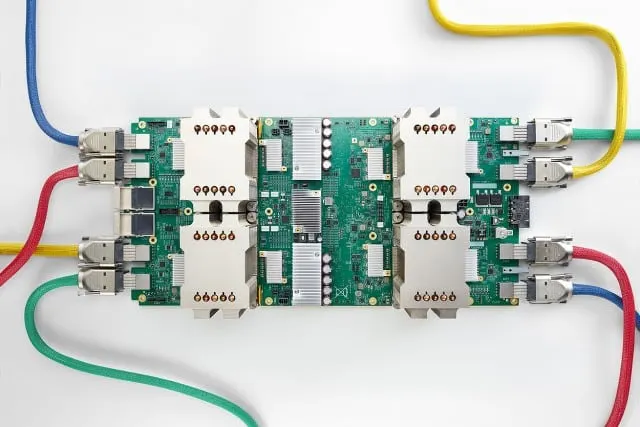
Google has announced two new systems in its eighth-generation Tensor Processing Unit (TPU) lineup: TPU 8tx, built to protect sensitive data and models during processing, and TPU 8i Max, aimed at workloads that need more compute and memory bandwidth.
The company says both are new configurations built on existing eighth-generation chips, not new chip designs. The work covers how compute, memory, networking, packaging and security technologies are combined.
TPU 8tx: confidential inference
TPU 8tx is designed to run inference in Confidential Computing environments. It protects sensitive data and model weights while in use, in addition to protecting them at rest and in transit. Google is targeting government bodies and companies in tightly regulated sectors that need to run private models or applications built on sensitive information.
The system uses the same chips as TPU 8t and pairs them with fifth-generation AMD EPYC server processors, which coordinate tasks, prepare data and manage communication with the accelerators. According to AMD, the design combines Secure Encrypted Virtualization (SEV) with mechanisms that verify the identity and security settings of the accelerators.
Google says its low-latency Boardfly network cuts latency by up to half compared with TPU 8t, with limited performance impact, based on the company's own measurements. It adds that models can be run and customized on a single architecture, including fine-tuning and reinforcement learning.
TPU 8i Max: long context
TPU 8i Max targets AI workloads that need long context and large memory, such as autonomous agents working with huge code repositories or long video content. It combines two TPU 8i units in one package. Google says this doubles compute, SRAM and HBM memory bandwidth compared with the base TPU 8i, increasing compute density inside data center racks.
A four-system family
Google introduced TPU 8t, for large-scale training, and TPU 8i, for low-latency inference, in April 2026. With the two additions, the family now has four systems covering training, fast inference, confidential computing and long-context processing. Google is also easing development through open-source frameworks such as PyTorch and the TorchTPU project.
The announcement gave no pricing, commercial availability dates or supported regions for the new systems.
Apps worth a look
SUMO: the number puzzleTap the right tiles, add them up, hit the target. Easy to learn, hard to master. Free, for all ages.
Dialo: learn languages by speakingTalk to an AI conversation partner; every sentence comes back corrected and explained in your language. 9 languages, A1 to C2.
ediviewer: read EDI files like documentsOpen EDIFACT and X12 messages, see every segment explained, convert to JSON/XML, export PDF and Excel. Runs locally, no upload.
giftdetect: the right gift in minutesPick who it is for, the occasion and their personality. The search engine reads product descriptions from local shops and ranks what fits. Free, no sign-up.
More from this day
See all →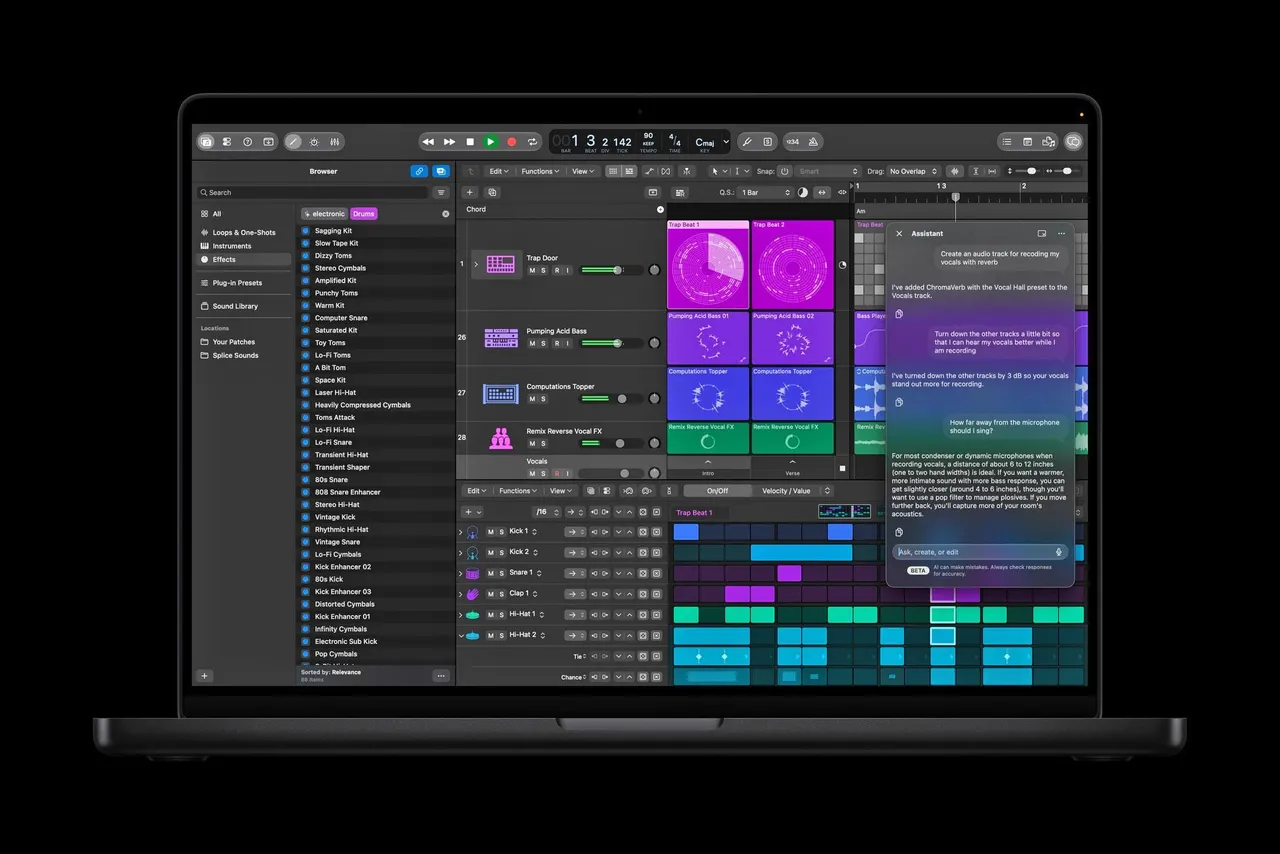
Apple Charges $49.99 for Intelligence Usage Packs in Logic Pro
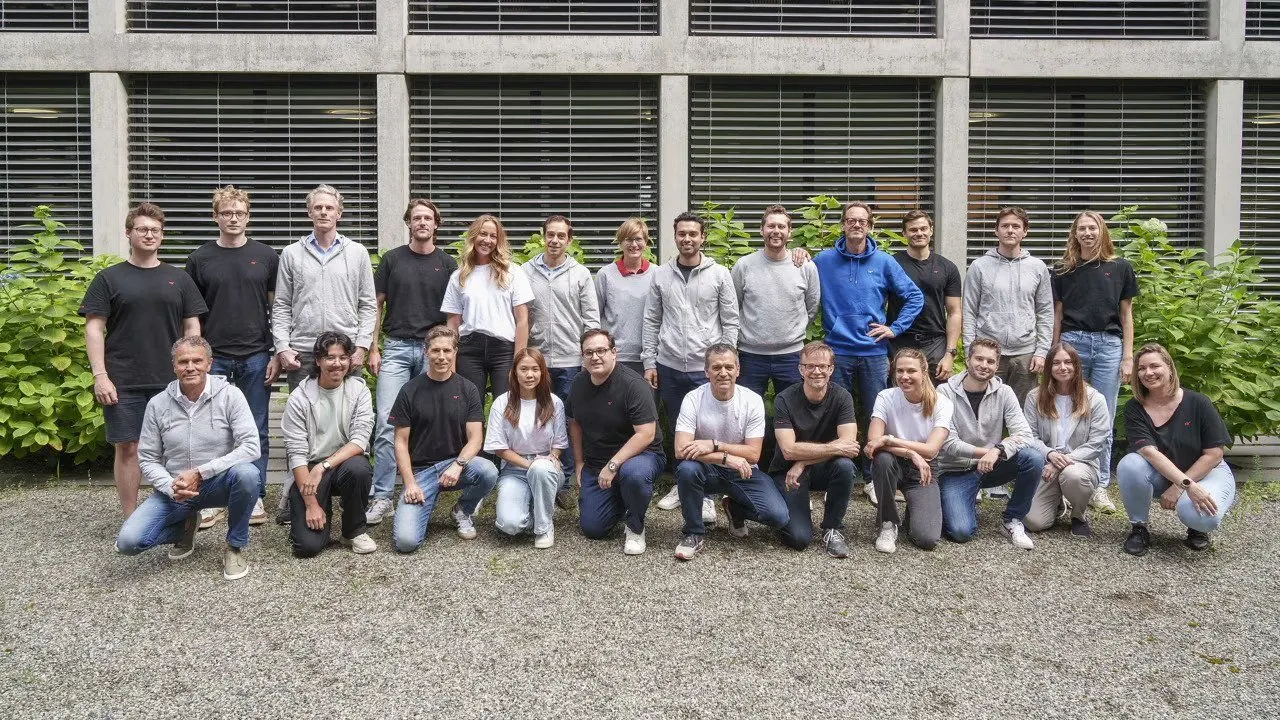
Redalpine closes $250M RAC VIII fund for European startups

Valkyrie Dynamics Raises €1M for Drone Interceptor Radar

Red Hat launches OpenShift 5 with AI troubleshooting tools
More in: Hardware
See all →
China Telecom Sends 128 Tb/s Through 1,007 km of Hollow-Core Fiber

Sony Launches AirAuth Spatial Authentication Platform With JR East

FritzOS 8.50 and 8.51 roll out to more Fritzbox routers