AI hacking agents found by Google are targeting French sites
Google's threat team found a hacking tool where AI agents hunt for bugs and attack with no human involved. It leaked after the criminals left a server open.

 SUMO· the number puzzle
 Dialo· learn languages by speaking
 ediviewer· read EDI files like documents
 giftdetect· the right gift in minutes
Google has found AI hacking agents at work against French websites, and nobody was steering them. The criminals behind the tool made one very human mistake: they left a malicious server open to the internet.
The discovery comes from the Google Threat Intelligence Group (GTIG), which says that last quarter it saw for the first time attackers using LLM-based tools to automate both finding and exploiting vulnerabilities, "without a human in the loop". On the exposed server, researchers found a tool that links several AI agents, built on different large language models, to run attacks together. They also found data stolen from victims.
Which sites are being targeted?
According to the report, the attackers are especially interested in French websites in media and entertainment, and in education. The tool was configured in Russian, so the operators may come from Russia. Google does not attribute the campaign to any group or state.
How does the AI hacking tool work?
It turns security patches into a roadmap. The tool compares code before and after a fix is released, analyses the differences to spot the bug that was fixed, writes an exploit and runs it automatically. Sites that haven't installed the update yet are the ones that get hit.
John Hultquist, GTIG's chief analyst, says attackers no longer need zero-day flaws (bugs nobody knows about yet). In his words, it is much easier to reverse-engineer a patch than to hunt for a zero-day.
This isn't a one-off. Google also saw criminals and spies using AI-boosted tools such as CAIRN, PentAGI and CyberStrikeAI, and CrowdStrike says four other gangs have handed attacks to AI in recent months. As an example of speed, GreyNoise spotted an AI-assisted campaign against hundreds of organisations just four days after two flaws in the PaperCut printer software were disclosed.
There is some good news: the AI isn't flawless, and some of the generated attack programs simply didn't work. Still, Hultquist warns companies will face heavy pressure to speed up their patch cycles, and may have to make hard choices to keep up.
Apps worth a look
SUMO: the number puzzleTap the right tiles, add them up, hit the target. Easy to learn, hard to master. Free, for all ages.
Dialo: learn languages by speakingTalk to an AI conversation partner; every sentence comes back corrected and explained in your language. 9 languages, A1 to C2.
ediviewer: read EDI files like documentsOpen EDIFACT and X12 messages, see every segment explained, convert to JSON/XML, export PDF and Excel. Runs locally, no upload.
giftdetect: the right gift in minutesPick who it is for, the occasion and their personality. The search engine reads product descriptions from local shops and ranks what fits. Free, no sign-up.
More from this day
See all →
Artemis 2 astronaut Victor Glover on the hardest part: telling his daughters

Arion Kurtaj pleads guilty to the 2022 GTA 6 hack on Rockstar

Jensen Huang says he would return as Nvidia CEO if asked

Uber Eats drone delivery starts in Texas with Zipline
More in: Security
See all →
AI exam cheating: Vietnam, Turkey and India turn to police
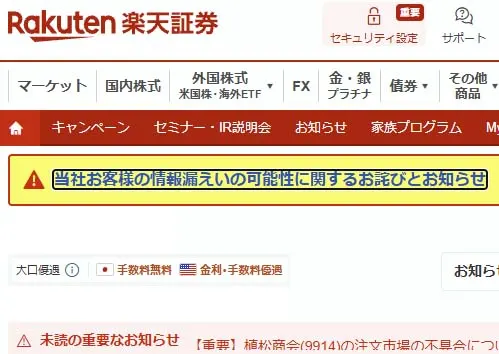
Rakuten Securities data breach may affect up to 11.25M accounts

Fugaku supercomputer hacked: data of 4,000+ researchers at risk