Google Ads Let Deceptive Ads Reach 100 Million Views in Europe
Researchers using the AI tool AdLens found thousands of misleading software ads in Google's system that drew over 100 million views in the European Economic Area.

 SUMO· the number puzzle
 Dialo· learn languages by speaking
 ediviewer· read EDI files like documents
 giftdetect· the right gift in minutes
Deceptive software ads that passed Google's review systems were shown more than 100 million times in Europe, according to a study by researchers at New York University and the Netherlands' Radboud University. The team built an AI tool called AdLens and used it to analyze nearly 189,000 ad versions for software, mobile apps and electronics from Google's public ad transparency center.
The tool flagged three groups of problematic ads: 238 that played on fear of a supposed threat, 3,346 that made false or unrealistic promises, and 258 that hid the advertiser's identity or the nature of the service. Fear-based ads alone drew over 16 million views, while the unrealistic-promise group accounted for another 89.9 million. The researchers stress that a view is not a click, an installation or a financial loss, so the figure does not mean 100 million people were deceived.
Fake virus alerts and impossible promises
Many ads used scareware tactics, claiming a phone was hacked or a computer infected and urging an immediate app download. One Polish-language ad claimed an Android phone had 178 viruses after visiting adult sites and drew about 1.1 million views. Another promised to locate anyone from a phone number alone; it ran for more than two years and collected 14.5 million views. A third offered a last chance to recover 284 photos deleted seven years earlier and was seen 2.8 million times.
Removing one ad was not enough
The researchers also reported ads to Google. Most were not judged to violate its policies. In the case of a domain tied to the TamperedChef campaign, which spread malware disguised as a PDF editor, they found 42 ads pointing to it and reported one. Google removed that ad, but the other 41 were not withdrawn as part of that action. Of 147 apps promoted through suspicious ads, 34 were no longer in app stores while the ads stayed live.
AdLens works in two stages: it first compares ad content with known scam patterns, then more advanced language models, including Gemma and Qwen families, examine selected ads using text and visuals. It reached an F1 score of 0.922. The authors admit it has limits and cannot fully replace human review.
The tool has been released publicly so independent researchers and consumer groups can run similar analyses. The authors note they examined only a small slice of Google's ads, so the results cannot estimate the total number of fraudulent campaigns or user losses.
Apps worth a look
SUMO: the number puzzleTap the right tiles, add them up, hit the target. Easy to learn, hard to master. Free, for all ages.
Dialo: learn languages by speakingTalk to an AI conversation partner; every sentence comes back corrected and explained in your language. 9 languages, A1 to C2.
ediviewer: read EDI files like documentsOpen EDIFACT and X12 messages, see every segment explained, convert to JSON/XML, export PDF and Excel. Runs locally, no upload.
giftdetect: the right gift in minutesPick who it is for, the occasion and their personality. The search engine reads product descriptions from local shops and ranks what fits. Free, no sign-up.
More from this day
See all →
Calogena wins €40 million EU grant for first commercial SMR
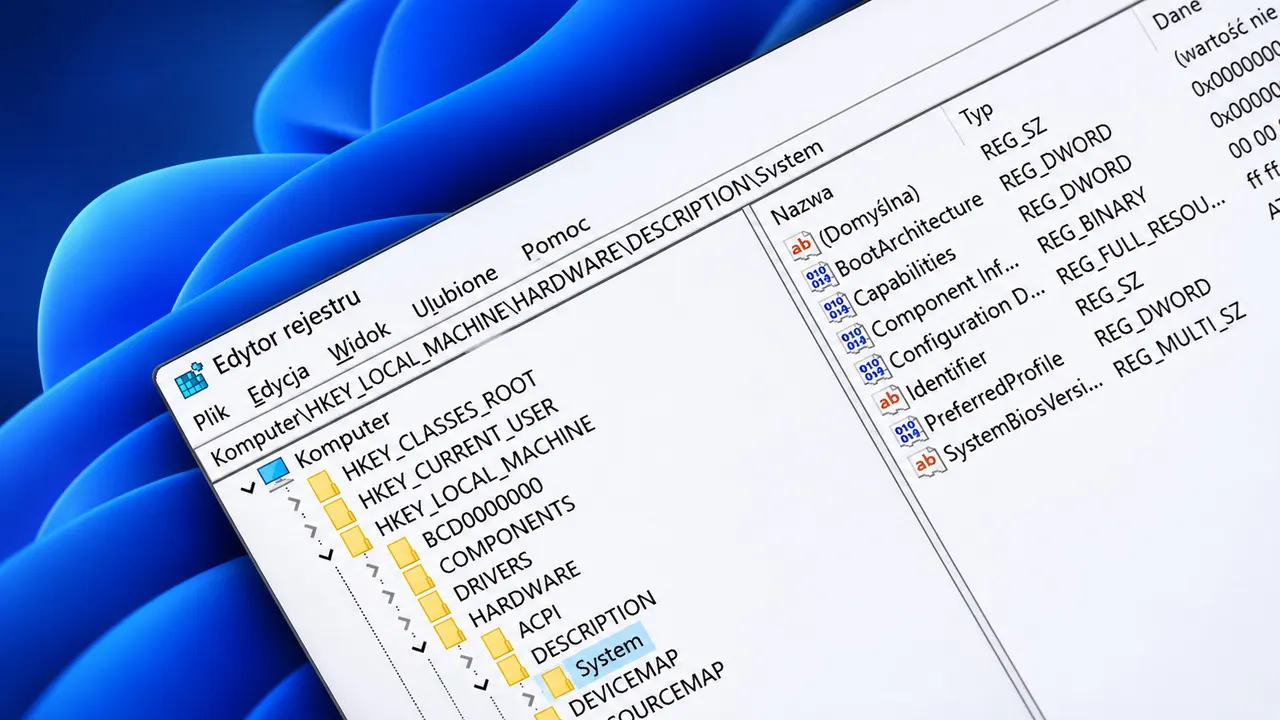
Windows 11 Registry Editor Gets a WinUI 3 Version as a Demo

JRH ASI to Finance Radar System Production for Ukrainian Partner

Budimex Tests Autonomous Rollers as Poland's Labor Shortage Bites
More in: Security
See all →
FBI and CISA Warn Hackers Are Targeting Industrial Fridges Worldwide

Spain asks prosecutors to investigate TikTok over child abuse videos

HSI Has Sent 185,000 Administrative Subpoenas Since January 2025