Ghost Core: a 19-year-old's $3,499 screenless local AI computer
Zain Javaid, 19, raised $11 million for Ghost Core, a screenless $3,499 box that runs AI agents at home instead of in a data center.

 SUMO· the number puzzle
 Dialo· learn languages by speaking
 ediviewer· read EDI files like documents
 giftdetect· the right gift in minutes
While big AI companies pour money into data centers, a 19-year-old founder is betting on the opposite: a small box in your living room. Ghost Core is a computer with no screen, no keyboard and no mouse, built to run AI agents at home around the clock.
The startup behind it, Ghost, is based in San Francisco and was founded by Zain Javaid. It has raised $11 million in seed funding from investors including Andreessen Horowitz. Javaid came from financial mathematics, where he made data-driven investment decisions, before turning to local AI hardware. Core is the company's first product and costs $3,499.
What is Ghost Core and how does it work?
Core is built to keep autonomous programs, so-called AI agents, running in the background. These agents collect data from the owner's surroundings and work on tasks based on it. You control everything through a smartphone app: you talk to the agents and hand out jobs there. Voice input also goes through the app, not the device.
Inside sit an AMD Ryzen 5 7600 with six cores, an Nvidia RTX Pro 4000 SFF Blackwell graphics chip with 432 GB/s of memory bandwidth, 64 GB of DDR5 RAM and a 1 TB SSD. The case is brushed stainless steel with an acrylic light diffuser.
Is it private and safe?
All calculations happen on the device, which is called edge computing, rather than in the cloud. Ghost says sensitive data such as health figures or smart-home information stays in the house. Locally stored data is encrypted, and the company says it cannot read it either.
There is also a firewall aimed at the agents. It checks every outgoing request the software makes, to stop agents from leaking things like passwords or private documents. That kind of leak is called data exfiltration and is a core risk with autonomous software.
Which AI models does it run?
Core is not tied to one closed model. It ships with open-source language models, including versions of Qwen and Gemma, and you can download more from platforms such as Hugging Face. Updates for new model generations are meant to arrive automatically over the network.
Given the price, Javaid pitches independence. "We're building this device so that it doesn't depend on an outside party keeping the service running," he says.
Apps worth a look
SUMO: the number puzzleTap the right tiles, add them up, hit the target. Easy to learn, hard to master. Free, for all ages.
Dialo: learn languages by speakingTalk to an AI conversation partner; every sentence comes back corrected and explained in your language. 9 languages, A1 to C2.
ediviewer: read EDI files like documentsOpen EDIFACT and X12 messages, see every segment explained, convert to JSON/XML, export PDF and Excel. Runs locally, no upload.
giftdetect: the right gift in minutesPick who it is for, the occasion and their personality. The search engine reads product descriptions from local shops and ranks what fits. Free, no sign-up.
More from this day
See all →Hugendubel, Tolino Cloud and eBook.de offline after cyberattack

YouTube app icons: 7 new designs, some retro, are in the works

PC repair job interview: the voltage switch trap he suggested

Google's new 3D emoji need 6GB RAM and 10GB storage, now explained
More in: Hardware
See all →
BataSla: The Machine That Slices 25 kg Blocks of Frozen Butter
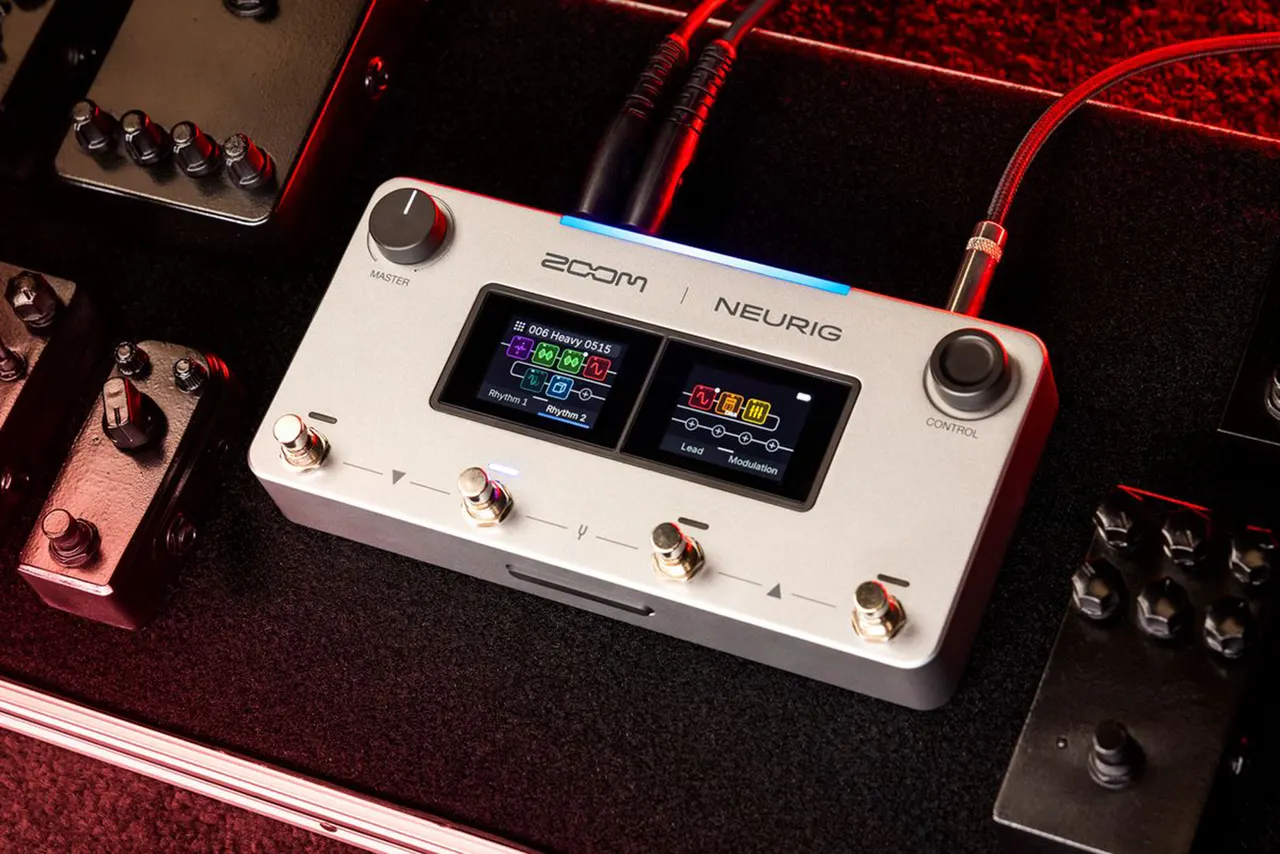
ZOOM NEURIG Lets You Describe a Guitar Tone and AI Builds It
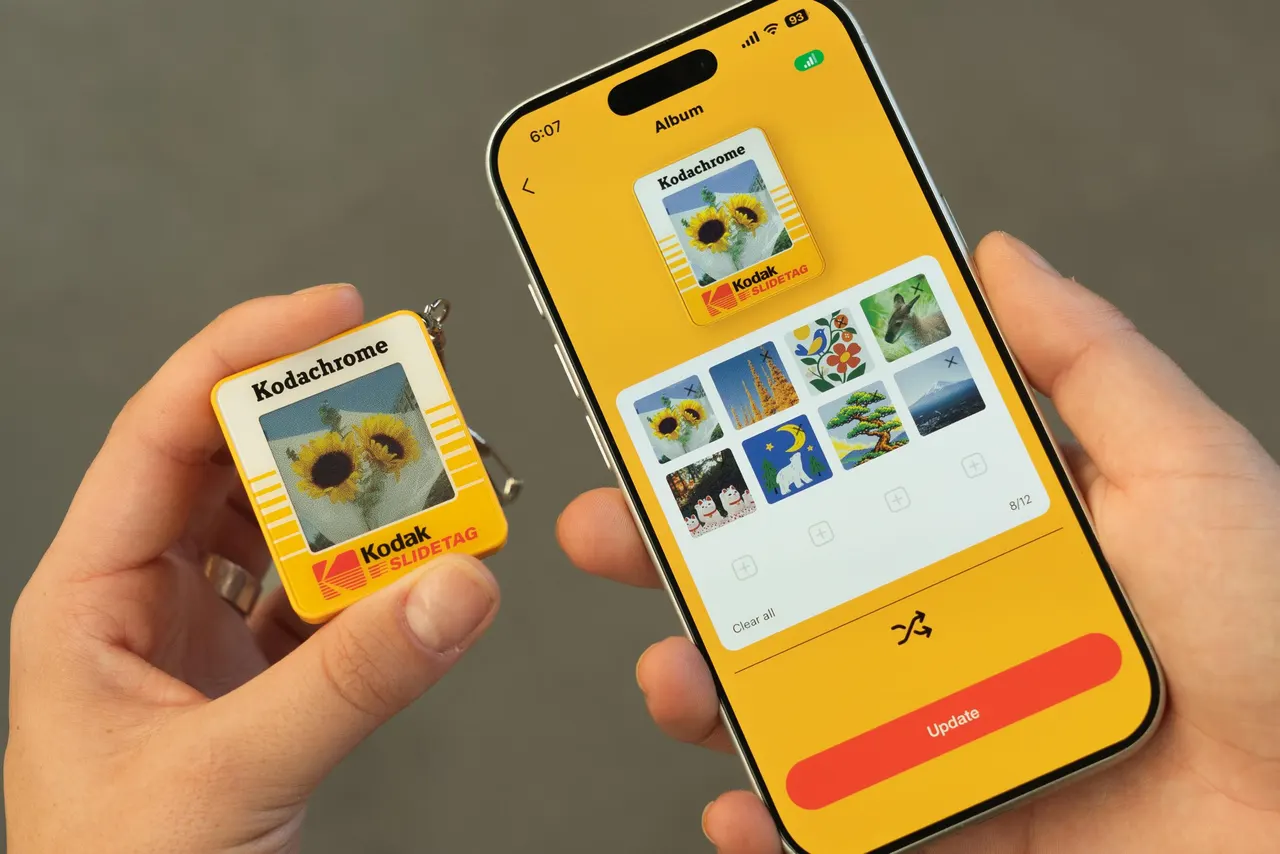
Kodak SlideTag: a $34.99 keychain photo frame that tracks