France drops plan to force backdoors into WhatsApp and Signal
The French government will back removing article 16 bis and vows not to reintroduce messaging backdoors this session, leaving a technical fix for encrypted chats open.

 SUMO· the number puzzle
 Dialo· learn languages by speaking
 ediviewer· read EDI files like documents
 giftdetect· the right gift in minutes
The French government has said it will support the removal of article 16 bis from the bill on the resilience of critical infrastructure and cybersecurity. In exchange, it pledges not to reintroduce backdoors into messaging platforms such as WhatsApp, Signal and Messenger until the end of the current parliamentary session.
The move is a notable retreat in a debate that has run for more than a year. In 2025, a bill against drug trafficking included a measure forcing messaging platforms to hand authorities the conversations of certain monitored people, even though those chats are end-to-end encrypted. After widespread objections, the measure was left out of the law as promulgated. The discussion returned with article 16 bis, which seeks to ban the imposition of backdoors on messaging services.
Intelligence services versus confidentiality
Intelligence agencies want 16 bis scrapped so they can reach some encrypted discussions in sensitive or criminal cases. Messaging platforms, and many of their users, want to preserve the promise of fully confidential conversations that the state cannot read. Backdoors also double as potential weaknesses that hackers could exploit, a concern tied to the cyberattacks that have hit France in recent months.
The CNCTR, the body overseeing intelligence techniques, has meanwhile criticised the fact that computer data collection, meant as a last resort, has become almost "automatic". It also says investigators tend to gather large amounts of data and keep only what interests them.
Florent Boudié, a Conseil d'État member and former Renaissance deputy who led a government mission on messaging encryption, urged the government to give up the option of imposing backdoors. He also asked it to delete article 16 bis, which he considers too restrictive for intelligence services. Digital minister Anne Le Hénanff criticised the article's "harmful impact" on those services and confirmed the executive will back its removal.
What comes next
Boudié wants the state to "identify a technical solution allowing targeted access to protected content without compromising the integrity of encryption". No such solution has been named yet. The resilience bill goes before the National Assembly from 9 November 2026.
Apps worth a look
SUMO: the number puzzleTap the right tiles, add them up, hit the target. Easy to learn, hard to master. Free, for all ages.
Dialo: learn languages by speakingTalk to an AI conversation partner; every sentence comes back corrected and explained in your language. 9 languages, A1 to C2.
ediviewer: read EDI files like documentsOpen EDIFACT and X12 messages, see every segment explained, convert to JSON/XML, export PDF and Excel. Runs locally, no upload.
giftdetect: the right gift in minutesPick who it is for, the occasion and their personality. The search engine reads product descriptions from local shops and ranks what fits. Free, no sign-up.
More from this day
See all →
Calogena wins €40 million EU grant for first commercial SMR
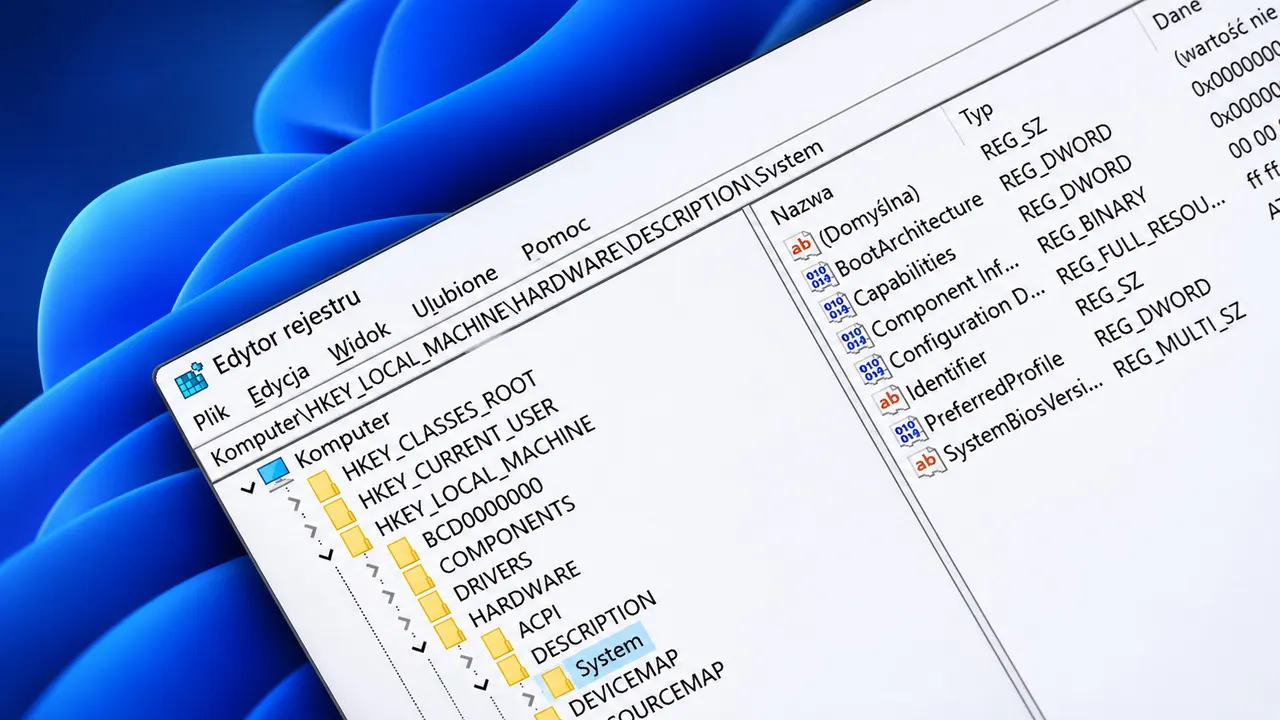
Windows 11 Registry Editor Gets a WinUI 3 Version as a Demo

JRH ASI to Finance Radar System Production for Ukrainian Partner

Budimex Tests Autonomous Rollers as Poland's Labor Shortage Bites
More in: Security
See all →
FBI and CISA Warn Hackers Are Targeting Industrial Fridges Worldwide

Spain asks prosecutors to investigate TikTok over child abuse videos

HSI Has Sent 185,000 Administrative Subpoenas Since January 2025