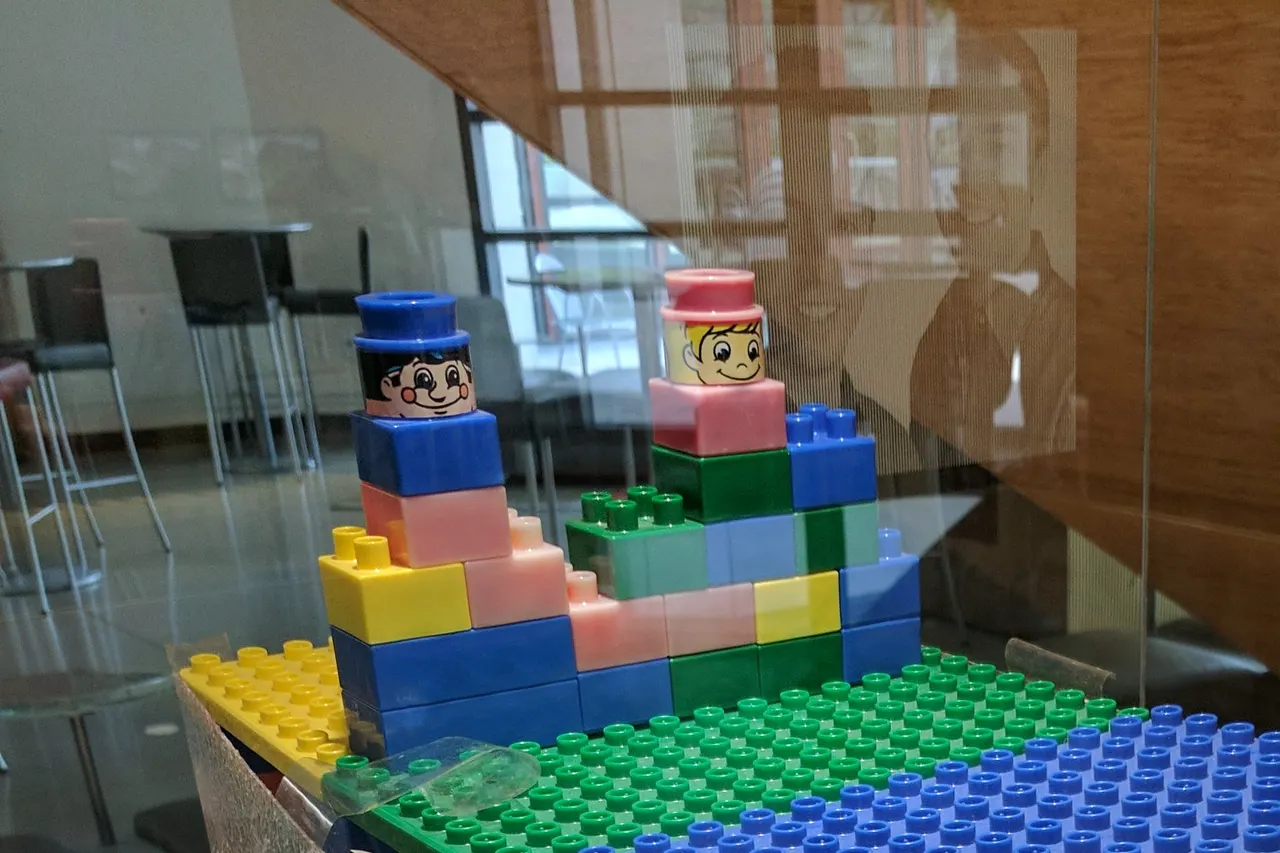
The first Google PC: 40 GB of storage in a case made of toy bricks
Google's first server was a home-built PC with ten 4 GB drives, wrapped in colourful toy bricks because Page and Brin didn't want to buy a proper server cabinet.
 SUMO· the number puzzle
 Dialo· learn languages by speaking
 ediviewer· read EDI files like documents
 giftdetect· the right gift in minutes
The first Google computer looks like something a kid built on a rainy afternoon. Ten hard drives, a case made of colourful toy bricks and two little figures on top. Yet this machine ran the crawler and the algorithm that became Google Search.
It dates from 1996, when Larry Page and Sergey Brin were PhD students in computer science at Stanford and the project was still called BackRub. The PC held ten 4 GB drives, so 40 GB in total, a huge amount at the time. According to the story, it indexed 24 million pages in a week.
Why was the first Google PC built from Lego?
Money, mostly. In interviews Page and Brin have explained that they didn't want, or couldn't afford, a professional server cabinet. Toy bricks were cheap, easy to assemble and modular, so they could open the box and add drives as the project grew.
To be exact, the bricks weren't Lego at all. They came from the Canadian brand Mega Bricks, and some sources name Mega Bloks. The colours were yellow, red, green and blue, and many people think they inspired the Google logo. That is not confirmed. Ruth Kedar, who designed the classic 1999 logo, has denied it in interviews.
What did the machine actually do?
It hosted a crawler, a program that "walks" the web collecting pages and links, and the PageRank algorithm. PageRank scored a page by the links pointing to it, much like academic citations give weight to scientific papers. The pair published the research in April 1998 as "The Anatomy of a Large-Scale Hypertextual Web Search Engine".
The web they were indexing was tiny. In 1995 there were an estimated 23,500 websites and about 40 million users, mostly connecting by modem. Part of Stanford's Digital Library Project funding, which included federal agencies such as the CIA and NSA, helped pay for the work.
The machine's active life was short. By September 1998 Google Inc. existed, with servers that were more elaborate but still built from ordinary computers. Reportedly they used cork boards instead of professional racks to keep heat between machines. Google turns 30 in 2028, and its main income still comes from ads in search.
Apps worth a look
SUMO: the number puzzleTap the right tiles, add them up, hit the target. Easy to learn, hard to master. Free, for all ages.
Dialo: learn languages by speakingTalk to an AI conversation partner; every sentence comes back corrected and explained in your language. 9 languages, A1 to C2.
ediviewer: read EDI files like documentsOpen EDIFACT and X12 messages, see every segment explained, convert to JSON/XML, export PDF and Excel. Runs locally, no upload.
giftdetect: the right gift in minutesPick who it is for, the occasion and their personality. The search engine reads product descriptions from local shops and ranks what fits. Free, no sign-up.
More from this day
See all →
Comet 220P/McNaught suddenly got 1,000 times brighter. Here's why
Coral Hart used AI to write 370 books in 20 months
WhatsApp Zaps: self-deleting photos and videos for any chat
Green SM taxis: Karnataka halts new registrations, eyes mandatory meters
More in: Hardware
See all →
Myofree tablet only works with special glasses to rest your eyes

Trump's Nvidia stock worth $62 million as H200 chips cleared for China
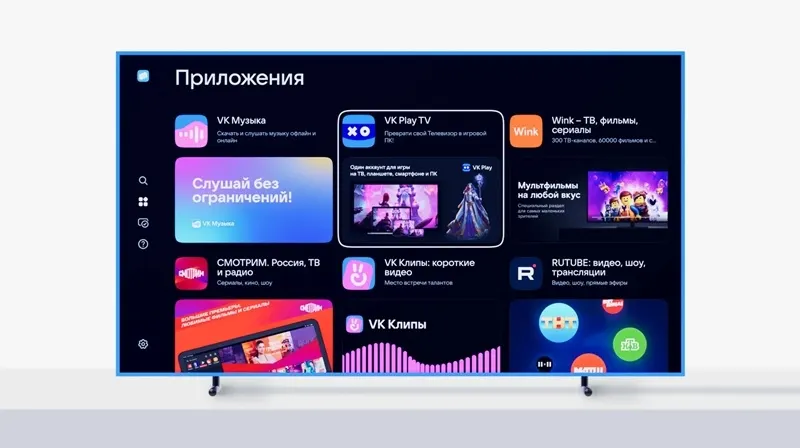
RuStore will be preinstalled on every Smart TV sold in Russia