Fake bank adviser scam: Paris court makes BNP and Bouygues pay
The number on her screen was the one printed on the back of her bank card. Twenty-one minutes later, two transfers had gone through, and a Paris court has now said who pays.

 SUMO· the number puzzle
 Dialo· learn languages by speaking
 ediviewer· read EDI files like documents
 giftdetect· the right gift in minutes
The number on the screen was the one printed on the back of her bank card. That was enough. After a 21-minute call, a BNP Paribas customer had two fraudulent transfers leave her account, and a Paris court has now ruled that the bank must refund her 8,861.34 euros. Bouygues Telecom, her mobile operator, must cover the bank.
How the fake bank adviser scam worked
On 17 November 2023, the customer got a call telling her a fraudulent payment was under way. To stop it, she typed in her customer number and online banking password. The caller also mentioned a recent purchase, a detail the court noted as one reason the call felt real. A bank email then told her a new digital key had been registered on her account.
She hung up, called her bank on the number on her card, changed her password and filed an opposition. She saw the two debits on 20 November. BNP Paribas refused to refund her, so she sued. The bank then brought in Bouygues Telecom.
Why the telecom operator is on the hook
In its ruling of 15 January 2026, the court tied the loss to what happened upstream. The displayed number helped win her trust, and the operator should have checked the call's authentication or cut it off. France has a system where the originating operator signs its customers' calls and the others check that signature. The legal obligation has applied since 25 July 2023, but according to the regulator Arcep, the rollout only began in October 2024 for landlines and January 2025 for mobiles.
Bouygues pointed to the complexity of a joint rollout. The court noted it did not explain what stopped it complying on the date of the fraud, or why this call got through. Arcep opened an inquiry in January 2026 into the path of calls with spoofed numbers. It counted more than 19,000 reports in 2025, against 531 in 2023.
What this means for victims
The transfers were judged unauthorised, and the court found no gross negligence on the customer's part. Other cases go differently. On 11 March 2026 the same Paris court rejected a refund claim in a case where the victim handed her card to a courier. A courier coming to collect your card is, on its own, a warning sign.
Since October 2025, banks also check that the name typed in matches the IBAN holder before a SEPA transfer is validated.
Apps worth a look
SUMO: the number puzzleTap the right tiles, add them up, hit the target. Easy to learn, hard to master. Free, for all ages.
Dialo: learn languages by speakingTalk to an AI conversation partner; every sentence comes back corrected and explained in your language. 9 languages, A1 to C2.
ediviewer: read EDI files like documentsOpen EDIFACT and X12 messages, see every segment explained, convert to JSON/XML, export PDF and Excel. Runs locally, no upload.
giftdetect: the right gift in minutesPick who it is for, the occasion and their personality. The search engine reads product descriptions from local shops and ranks what fits. Free, no sign-up.
More from this day
See all →
mObywatel update: some users may lose app access from today

FDJ sues Meta over fake FDJ ads on Facebook and Instagram
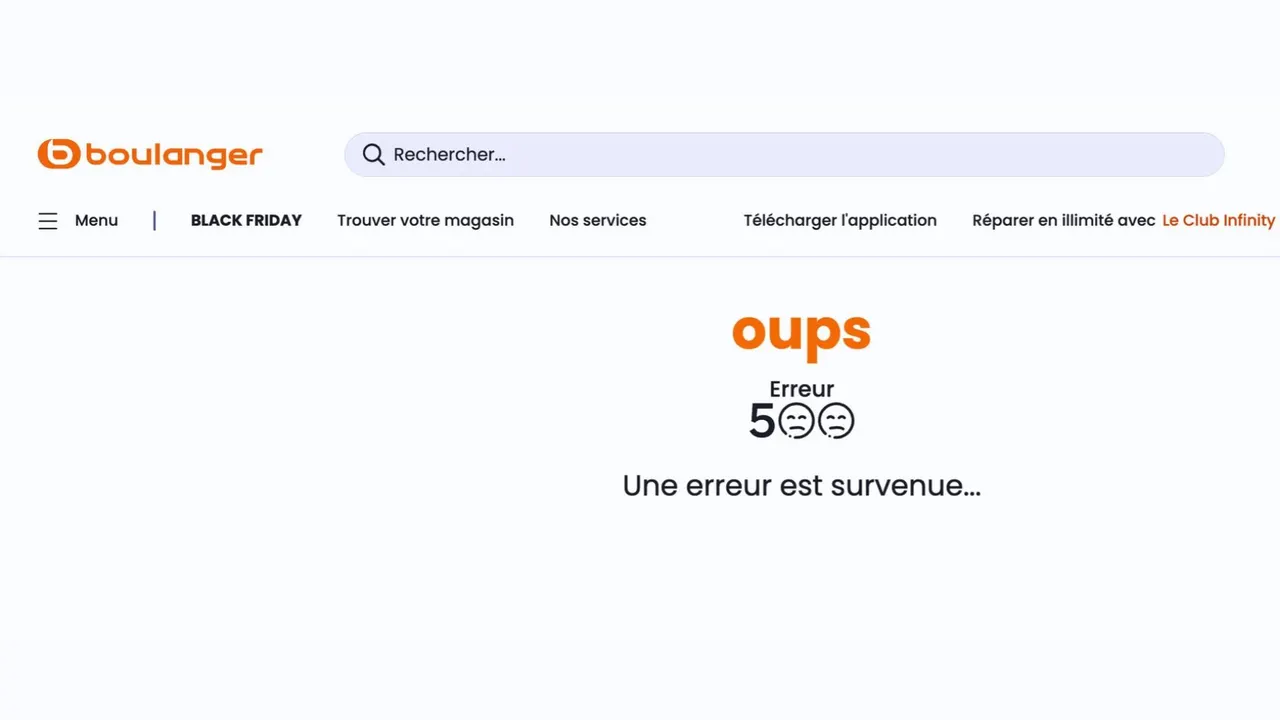
Boulanger website down: product pages show error 500 on Black Friday

Cartoon Wars PC version gets a Steam page 17 years on
More in: Business
See all →
Baemin drops fees on discounts and splits food and delivery ratings

Jensen Huang loses his blue check on X, and Musk offers it free
PKO Bank Polski is retiring the IKO and iPKO names