eVRT earable from Cambridge tracks balance exercises for vertigo
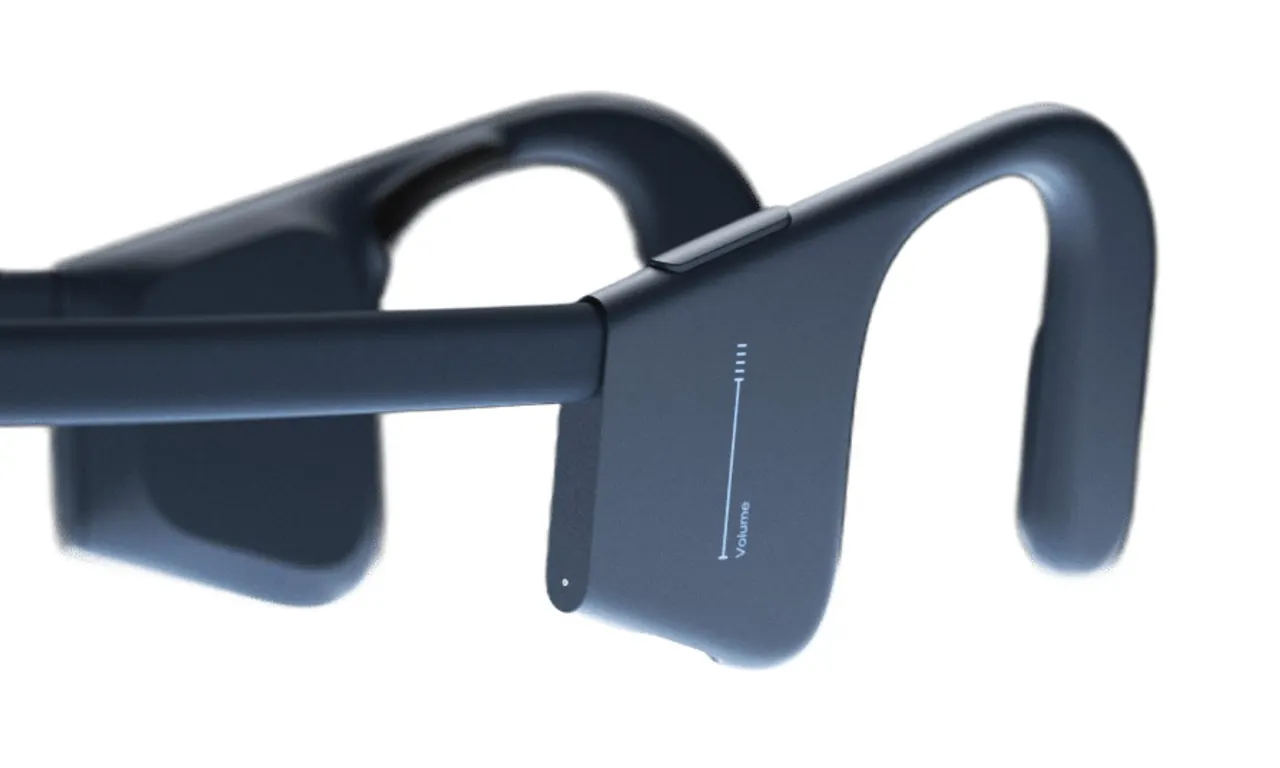
Cambridge researchers built eVRT, an earhook headset that checks whether people with vertigo are doing their balance exercises correctly, something a paper handout can't do.
 SUMO· the number puzzle
 Dialo· learn languages by speaking
 ediviewer· read EDI files like documents
 giftdetect· the right gift in minutes
Anyone who has been handed a photocopied sheet of balance exercises knows the problem: nobody can tell if you're doing them right. Neuroscientists at the University of Cambridge have built a prototype earable called eVRT that can.
It looks like earhook-style headphones, sitting around the ear rather than in the ear canal, but it doesn't play music. Motion sensors measure the wearer's gait and balance. The device builds on the team's earlier custom 3D-printed earables, and it pairs with an app that tracks how someone performs their exercises. Clinicians can then follow progress and adjust the treatment.
Why a vertigo therapy earable?
Vestibular disorders cause dizziness, balance trouble and problems with motor function. The most common form of vertigo, benign paroxysmal positional vertigo (BPPV), can bring a spinning sensation, nausea and vomiting. Treatment usually means a vestibular therapist, who asks patients to turn their heads in different directions to trigger dizziness while their eye movements are tracked, then performs repositioning maneuvers. At home, patients typically get paper instructions, while clinics use tools such as vHIT goggles and force plates.
Access is the bigger issue. Dr Iwan Roberts, a Cambridge Neuroworks Frontier Fellow, says an ear-worn sensor can see whether an exercise is being done correctly. He notes that an estimated half a million adults in the UK live with significant dizziness, and many wait years for help. Specialist post-fall support exists in only about a third of NHS trusts.
What happens next
The project has funding from UK Research and Innovation (UKRI) and the National Institute for Health and Care Research (NIHR). The team is preparing a two-week pilot in which patients will use the system at home, to see whether it actually helps.
It is also working with Pinnacle Neuroscience, a spinout being formed with Cambridge Enterprise, the university's commercialization arm. The aim is to turn eVRT into a certified medical device for the UK, Europe and the US. For now it remains a prototype, so there is nothing to buy yet.
Apps worth a look
SUMO: the number puzzleTap the right tiles, add them up, hit the target. Easy to learn, hard to master. Free, for all ages.
Dialo: learn languages by speakingTalk to an AI conversation partner; every sentence comes back corrected and explained in your language. 9 languages, A1 to C2.
ediviewer: read EDI files like documentsOpen EDIFACT and X12 messages, see every segment explained, convert to JSON/XML, export PDF and Excel. Runs locally, no upload.
giftdetect: the right gift in minutesPick who it is for, the occasion and their personality. The search engine reads product descriptions from local shops and ranks what fits. Free, no sign-up.
More from this day
See all →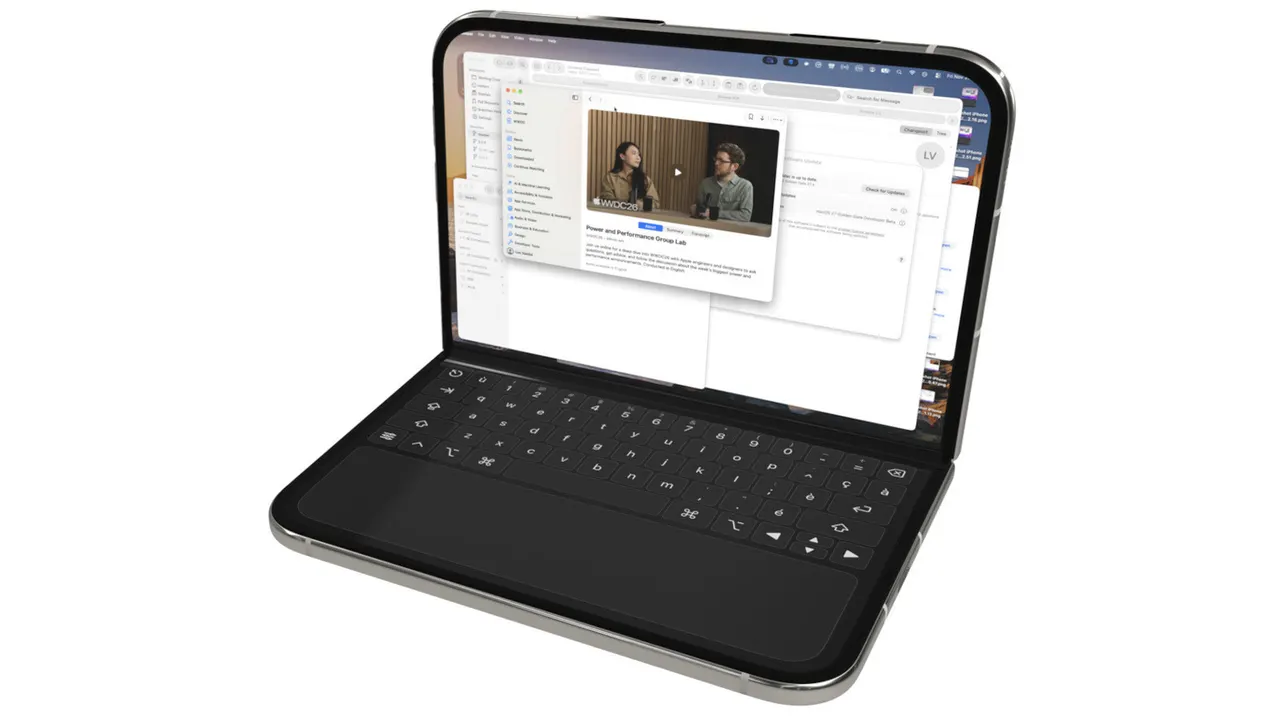
Screens app adds Laptop Mode that turns iPhone Duo into a tiny MacBook

Zodia Custody data breach exposed client and staff emails

TRIMUI Brick Hammer Pro U: Android handheld for $250

Apple Store down before Black Friday? It's not new products
More in: Hardware
See all →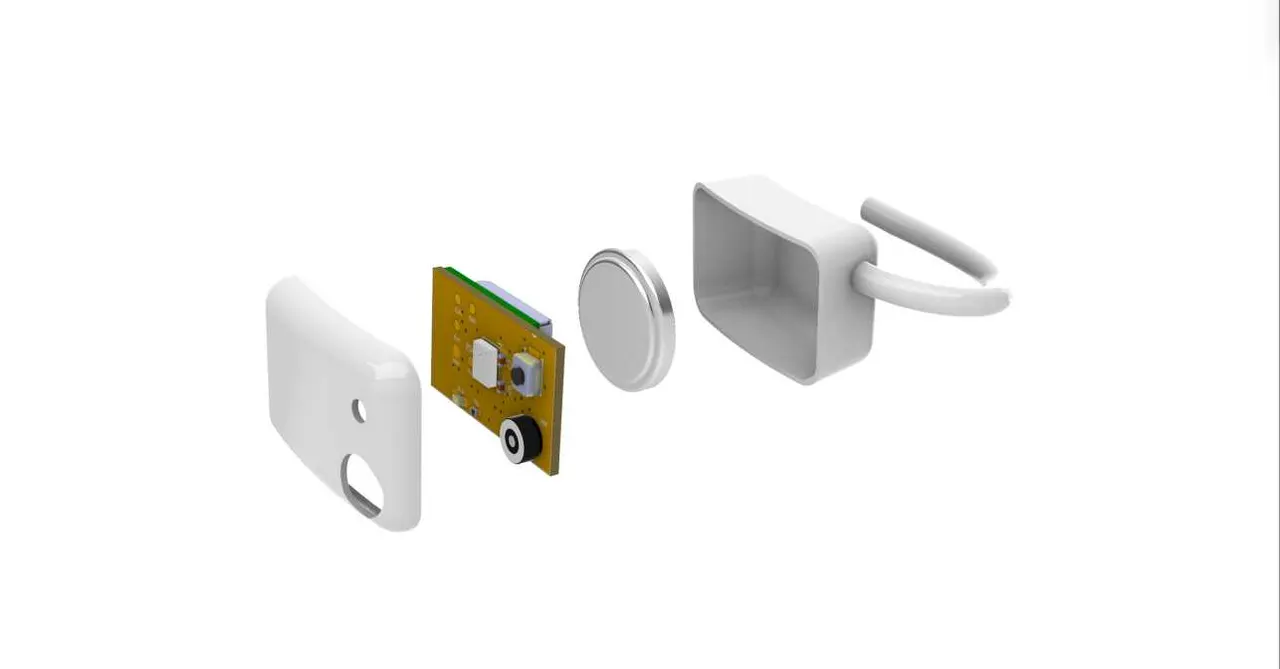
InvisiSpeech: ETH Zurich's Hidden Mouth Device Reads Silent Speech

SoftBank smart glasses caption conversations for deaf staff
Apple OLED MacBook causes dizziness and nausea for some users