Custom camera firmware: AI is unlocking features makers locked
Hackers are using AI to write custom camera firmware that switches on features the hardware already has but the maker keeps for pricier models.
 SUMO· the number puzzle
 Dialo· learn languages by speaking
 ediviewer· read EDI files like documents
 giftdetect· the right gift in minutes
Your camera can probably do more than the manufacturer lets it. Now hackers are using AI to prove it, and custom camera firmware is the result.
Firmware is the internal software that decides what a device is allowed to do. Camera makers have always guarded it closely. Modding is not new: Magic Lantern expanded the Canon 5D Mark II back in 2009. But AI is making the work much faster.
Photographer Tony Northrup recently showed in a video how he used AI to hack his Ricoh GR IV so it does things the stock software does not allow. He says it is not an isolated case. In recent days, hackers have reportedly added continuous autofocus to the Hasselblad X2D, a feature the X2D II ships with, and a 400-megapixel pixel shift mode to the X2D II. There are also tweaks for Canon, Nikon, Fujifilm and Sony.
What is ArcaneLantern for the Sony A7 IV?
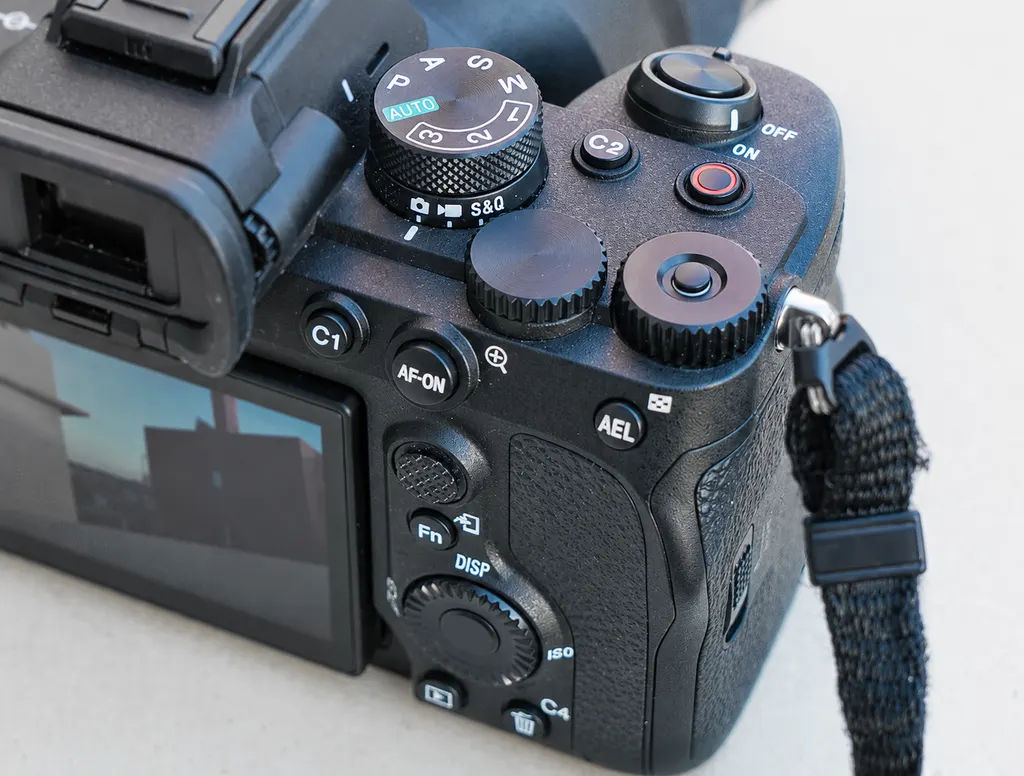
The most notable Sony project is ArcaneLantern. It lets the A7 IV record open gate video, meaning the full sensor shape (3:2) instead of a cropped 16:9. That gives you more room to reframe for 16:9 or vertical 9:16 in editing. The camera can record 4K as usual, or 5.7K in open gate.
There is a catch. It is a softmod, so the changes live in RAM and vanish when the camera powers off. Attempts on other models have ended with locked cameras or distorted images. Panasonic and Nikon models are also seeing unlocked features, such as better resolution or frame rate and colour profiles from other brands. Panasonic charges for some cinema colour profiles that the alternative firmware opens for free.
Why do manufacturers lock features?
Mostly commercial reasons: cheaper and pricier models often share the same processor and sensor, and the difference is software. Heat is another. A sensor may handle 6K, but a body that cannot dissipate heat would struggle.
The makers are not happy. A member of a Hasselblad modding project says he received a letter from the company's lawyers asking him to stop. Panasonic has called it risky for device security, and Fujifilm said this summer that connecting its cameras to unlicensed software voids the warranty. Panasonic's head of imaging has admitted the trend will be hard to stop.
Bricking a camera is a real risk, especially with AI-written code that nobody may know how to fix if something goes wrong.
Apps worth a look
SUMO: the number puzzleTap the right tiles, add them up, hit the target. Easy to learn, hard to master. Free, for all ages.
Dialo: learn languages by speakingTalk to an AI conversation partner; every sentence comes back corrected and explained in your language. 9 languages, A1 to C2.
ediviewer: read EDI files like documentsOpen EDIFACT and X12 messages, see every segment explained, convert to JSON/XML, export PDF and Excel. Runs locally, no upload.
giftdetect: the right gift in minutesPick who it is for, the occasion and their personality. The search engine reads product descriptions from local shops and ranks what fits. Free, no sign-up.
More from this day
See all →
Truth API: Trump posts a few milliseconds early, up to $100,000 a month

OpenAI countersues Apple over trade secrets and suppliers

NVIDIA GB300 rack found at Chinese data center tied to Alice Huang