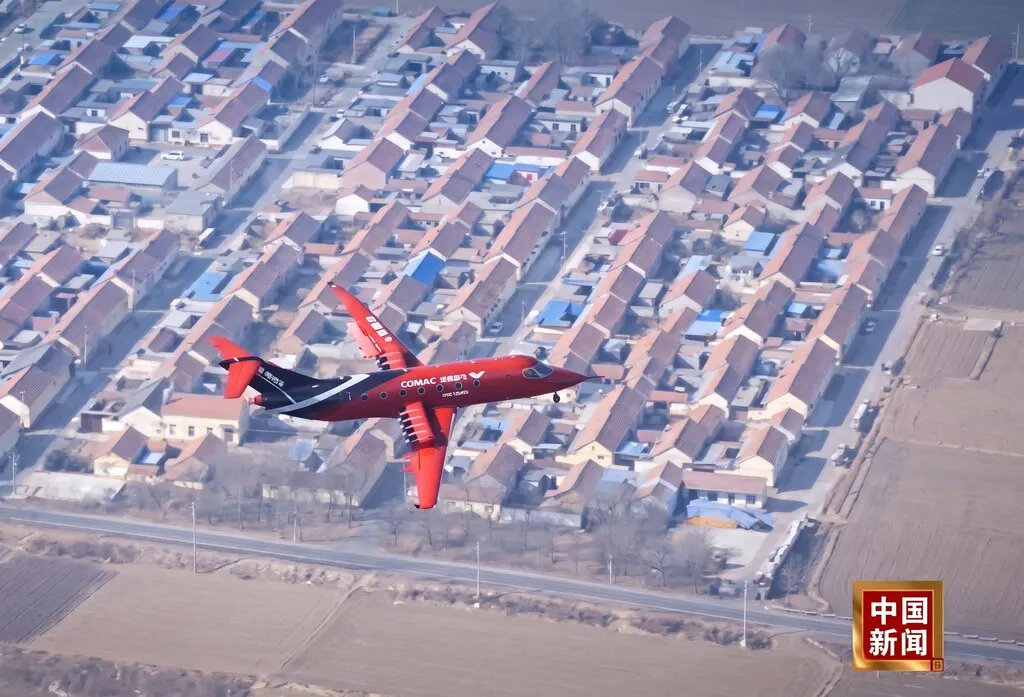
COMAC CE-25A electric plane flies with pilots, battery still secret
China's COMAC has flown its 19-seat CE-25A electric airliner with two pilots and a test engineer aboard. The one thing it won't share is what the battery can do.
 SUMO· the number puzzle
 Dialo· learn languages by speaking
 ediviewer· read EDI files like documents
 giftdetect· the right gift in minutes
China's state aircraft maker COMAC has flown its electric airliner, the CE-25A, with people on board for the first time. Two pilots and a test engineer went up on 14 November from Binzhou, in Shandong province. The one number everyone wants, the battery's capacity, is still missing.
The flight was autonomous, but the pilots watched how the plane behaved and could take over in the cockpit. It lasted 16 minutes and 38 seconds and covered 60.4 kilometres. Reports say everything went to plan. The CE-25A had already flown without a crew on 2 February and passed 19 autonomous validation flights before this one.
What is the CE-25A?
It is a 19-seat commercial aircraft with a maximum takeoff weight of 10 tonnes. COMAC's figures give it a range of 400 kilometres, a cruise speed of 300 km/h and a cruising altitude of 2,400 metres, so think short hops between nearby cities. Instead of propellers it has ten electric ducted fans built into the wing, five per side.
The name is a small code: C for COMAC, E for electric, 25 for the CCAR-25 transport-category rules, and A because it is the first.
CATL, the battery giant known for electric cars, is a partner, along with Shanghai Jiao Tong University. In 2024 CATL's founder Zeng Yuqun said the company aimed for 500 Wh/kg batteries, against about 200 Wh/kg for its current lithium-ion cells. He was not talking about this specific plane.
What happens next?
Certification, which is long and complex. Chinese authorities have accepted the application, and selling abroad would need approval from foreign regulators too. That depends on the battery meeting requirements for range and safety, which is why its secrecy matters.
There is a bigger problem further out. A 2018 study in Nature Energy estimated that an electric fleet covering all flights up to 741 to 1,111 kilometres would use 0.6 to 1.7 percent of the world's 2015 electricity. Heart Aerospace's X1 has flown crewed before, but China clearly wants to do for planes what it did for cars.
Apps worth a look
SUMO: the number puzzleTap the right tiles, add them up, hit the target. Easy to learn, hard to master. Free, for all ages.
Dialo: learn languages by speakingTalk to an AI conversation partner; every sentence comes back corrected and explained in your language. 9 languages, A1 to C2.
ediviewer: read EDI files like documentsOpen EDIFACT and X12 messages, see every segment explained, convert to JSON/XML, export PDF and Excel. Runs locally, no upload.
giftdetect: the right gift in minutesPick who it is for, the occasion and their personality. The search engine reads product descriptions from local shops and ranks what fits. Free, no sign-up.
More from this day
See all →
Comet 220P/McNaught suddenly got 1,000 times brighter. Here's why

Coral Hart used AI to write 370 books in 20 months

WhatsApp Zaps: self-deleting photos and videos for any chat
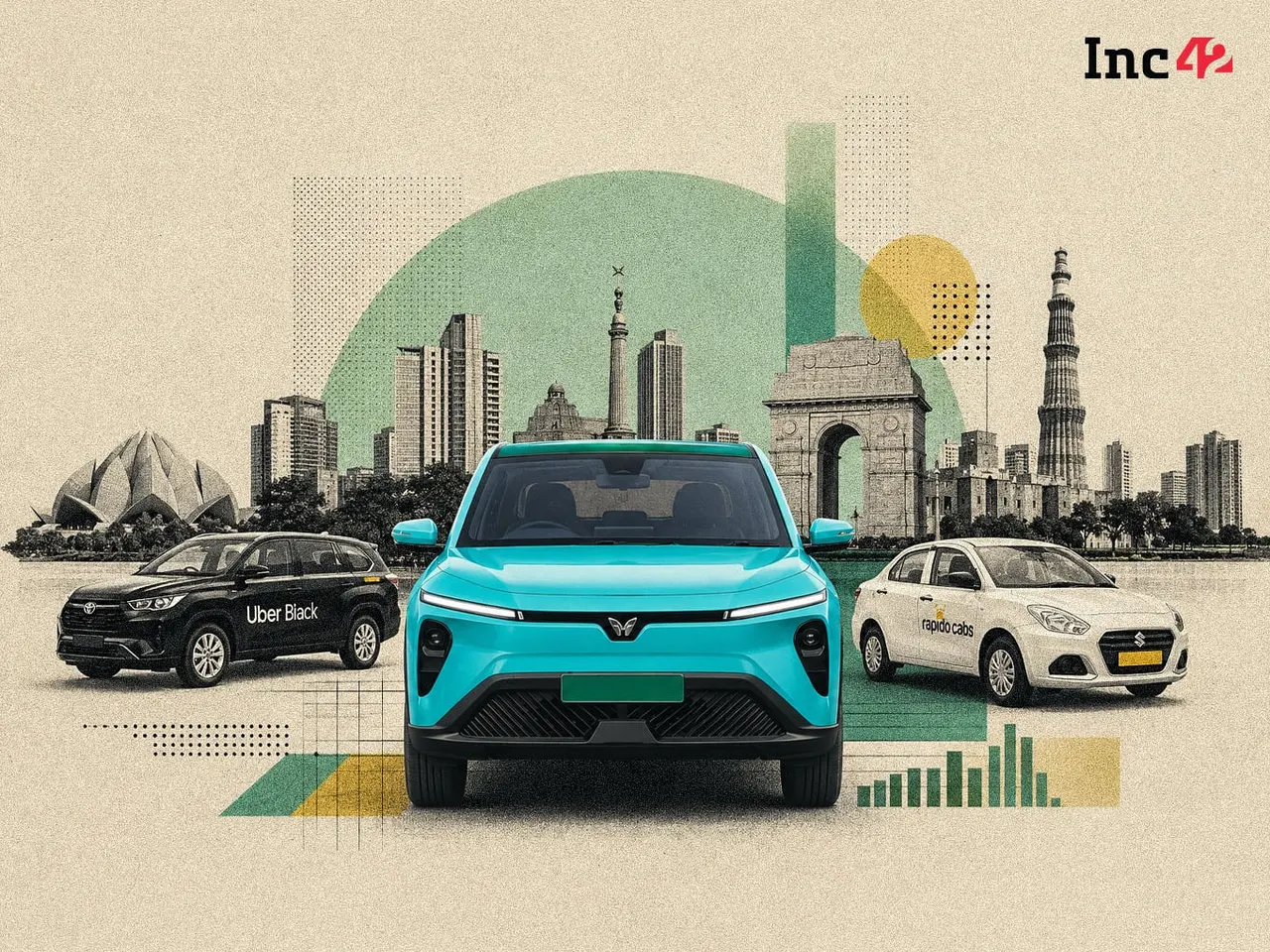
Green SM taxis: Karnataka halts new registrations, eyes mandatory meters
More in: Automotive
See all →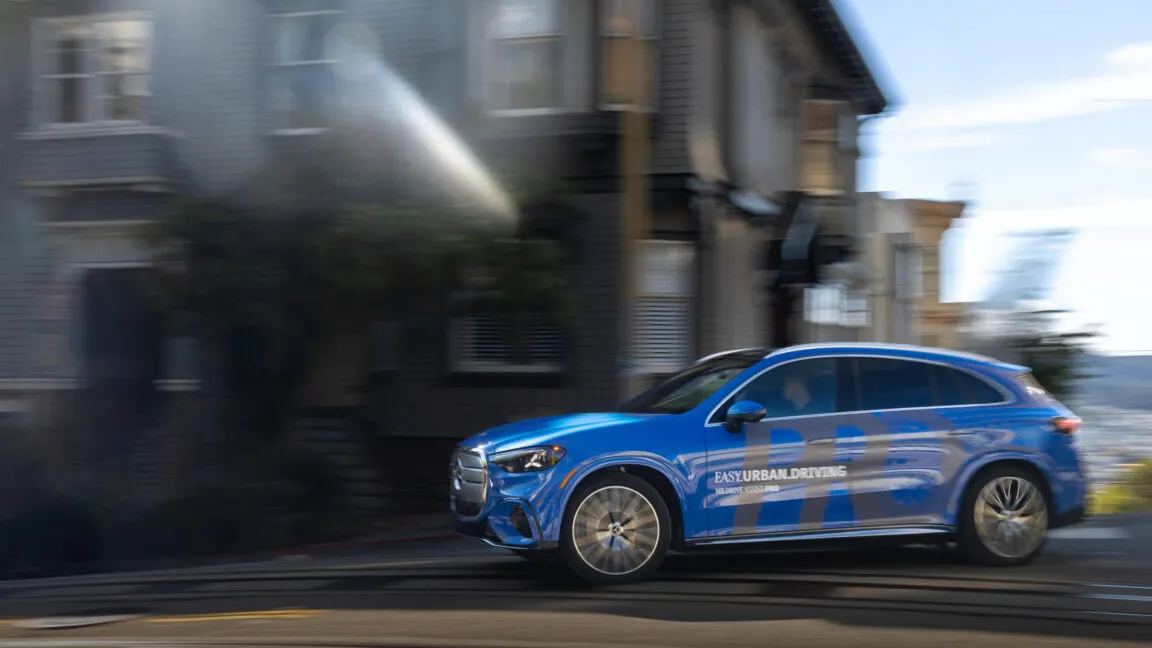
Mercedes Drive Assist Pro handles city streets, stop signs and buses
Tesla Cybercab for $29,990 comes with a $299 monthly fee
Toyota bZ4X robotaxi with no driver now runs in Guangzhou