CheckoutSwitch scam: fake DHL emails send your money to real shops
Pay a fake DHL fee of 9.99 euros and the money lands at a real Cypriot sportswear shop. Norton calls CheckoutSwitch a fraud with two victims.
 SUMO· the number puzzle
 Dialo· learn languages by speaking
 ediviewer· read EDI files like documents
 giftdetect· the right gift in minutes
The CheckoutSwitch scam does something odd with your money: it doesn't go to the crook. It goes to a real online shop, which then pays the crook a commission. Norton researchers say that makes it a fraud with two victims.
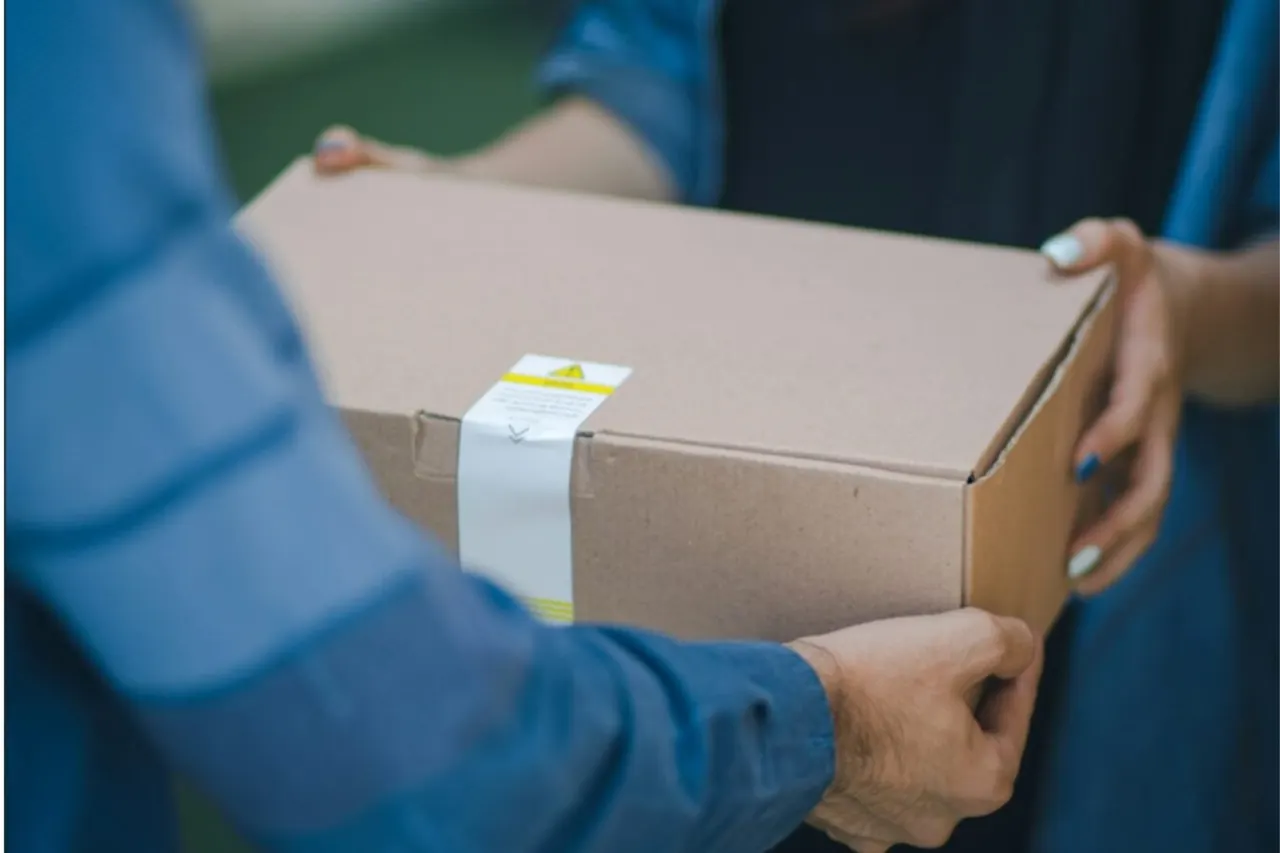
It starts with an ordinary spam email. It might mention a parcel waiting for delivery, an iPad you supposedly won in a contest, or cloud storage about to expire. The senders pose as big names including DHL, Amazon, Apple, Netflix and Lidl, and ask for a small payment, usually under 20 euros.
Norton's team found a fake DHL message promising an iPad Pro for 9.99 euros in shipping fees. The payment never reached DHL. It went to Gearteria, a Cypriot sportswear shop with no connection to DHL.
How does the CheckoutSwitch scam work?
The trick relies on affiliate marketing, where a site earns a commission for sending a customer to a shop. The scammers sign up as partners of real shops beforehand. When a victim pays, the shop thinks it got a genuine referred customer and pays the commission. Sometimes the purchase even comes with a subscription, which makes things worse.
The researchers tested it themselves. They entered their details on the fake DHL page and paid 9.99 euros. Then they used the "forgot password" function on Gearteria with the same email address. An account had been created in their name, using the data they had typed in.
So shoppers lose money and personal data, while merchants pay commissions on fraudulent sales without knowing it. "Affiliate marketing is absolutely not a scam," the researchers say, but defrauding merchants who pay those commissions certainly is.
How big is it, and how do you avoid it?
Norton estimates around 1.2 million of these emails go out every day worldwide. France is among the hardest hit: 35% of the emails analysed were in French, against 51% in English.
The advice is simple. Don't click links in suspicious messages, and be wary of unexpected fees to release a parcel or claim a prize. Check the merchant's name before you pay. Then keep an eye on your bank statements for small, odd charges, which can reveal a subscription you never agreed to.
Apps worth a look
SUMO: the number puzzleTap the right tiles, add them up, hit the target. Easy to learn, hard to master. Free, for all ages.
Dialo: learn languages by speakingTalk to an AI conversation partner; every sentence comes back corrected and explained in your language. 9 languages, A1 to C2.
ediviewer: read EDI files like documentsOpen EDIFACT and X12 messages, see every segment explained, convert to JSON/XML, export PDF and Excel. Runs locally, no upload.
giftdetect: the right gift in minutesPick who it is for, the occasion and their personality. The search engine reads product descriptions from local shops and ranks what fits. Free, no sign-up.
More from this day
See all →

More in: Security
See all →
Illegal IPTV crackdown: Europol hits 57 services, tracks €26M in crypto
Maileva data breach: 22 million people's addresses stolen in France
Air Force Cloud One hack: attackers reached the control plane