Caring data breach exposes seniors' health records in Korea
Korean senior-care company Caring says an attacker viewed health details of elderly users, and even walker and door passwords typed into free-text notes.

 SUMO· the number puzzle
 Dialo· learn languages by speaking
 ediviewer· read EDI files like documents
 giftdetect· the right gift in minutes
Caring, a South Korean senior-care company, has confirmed a data breach that reached well beyond names and phone numbers. Health conditions, care grades and, in some cases, passwords for things like a user's walker leaked.
In a notice posted on its website on November 19, the company said an outside attacker got into an internal data lookup tool and viewed personal information. According to Caring, the attacker bypassed authentication between August 11 and September 3.
The company found the vulnerability and an account created by the attacker on September 4, and blocked access that day. It then checked that account's logs, saw no record of personal data being viewed, and concluded there had been no leak. A later security review showed the attacker had also used an existing account to look up data. Caring confirmed this on November 17 and reported it to the Korea Internet & Security Agency (KISA) the same day. The last recorded lookup was on September 2.
What data was leaked in the Caring breach?
The affected group is large: seniors, family guardians and caregivers who used Caring before August 24, including people who have since left the service, plus some job applicants, inquirers and employees.
For seniors, the data includes name, date of birth, address, phone number, long-term care number and grade, and basic-livelihood-recipient status. For some, it also includes major illnesses, blood pressure, physical and cognitive function, eating and toileting status, skin condition, nutrition and psychological state. Guardians lost names, contacts, addresses and their relationship to the senior. Caregivers lost work type, workplace, pay method and service history.
Some national ID numbers, bank account numbers and passwords were also exposed. Caring says its lookup tool has no field for these, but users had typed them into free-form memos. The passwords include door entry codes, mobile ID passwords and walker passwords.
What should affected users do?
Caring is contacting affected users individually and advising them to change passwords. It also warns about calls and texts impersonating Caring or the National Health Insurance Service, especially scams that use health data to sell supplements, medical devices or insurance, or demand money citing a hospital stay or accident.
Caring has not said how many people are affected. It has blocked the vulnerability, the attacker's account and IP addresses, and outside access to the tool, and says it is investigating the cause.
Apps worth a look
SUMO: the number puzzleTap the right tiles, add them up, hit the target. Easy to learn, hard to master. Free, for all ages.
Dialo: learn languages by speakingTalk to an AI conversation partner; every sentence comes back corrected and explained in your language. 9 languages, A1 to C2.
ediviewer: read EDI files like documentsOpen EDIFACT and X12 messages, see every segment explained, convert to JSON/XML, export PDF and Excel. Runs locally, no upload.
giftdetect: the right gift in minutesPick who it is for, the occasion and their personality. The search engine reads product descriptions from local shops and ranks what fits. Free, no sign-up.
More from this day
See all →
Welopō‘ai: a triple star system 27.6 light-years away that shouldn't exist
Google's Mirror Dimension: a fake internet built for AI agents
mObywatel down this Saturday night: 3-hour maintenance window

Samsung Auto Blocker can't be switched off during a call
More in: Security
See all →
n0n hacker group claims Visa, Mastercard and JPMorgan data theft

Kurly data breach exposes details of 10,699 curators
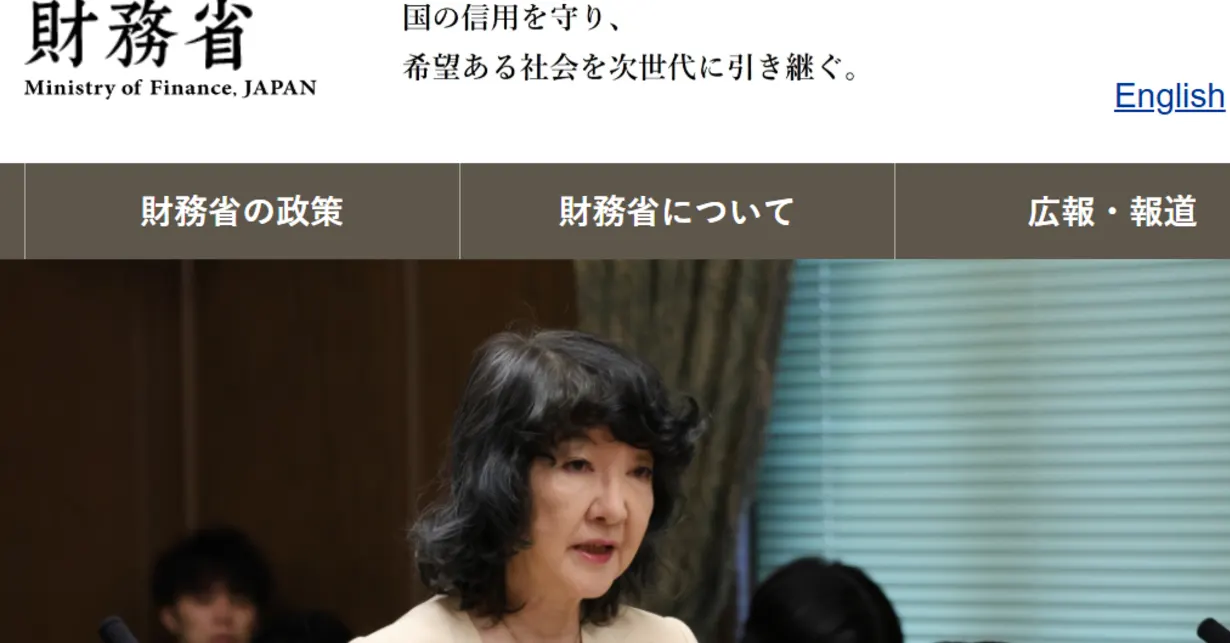
Rakuten Securities data leak: Japan's finance minister demands action