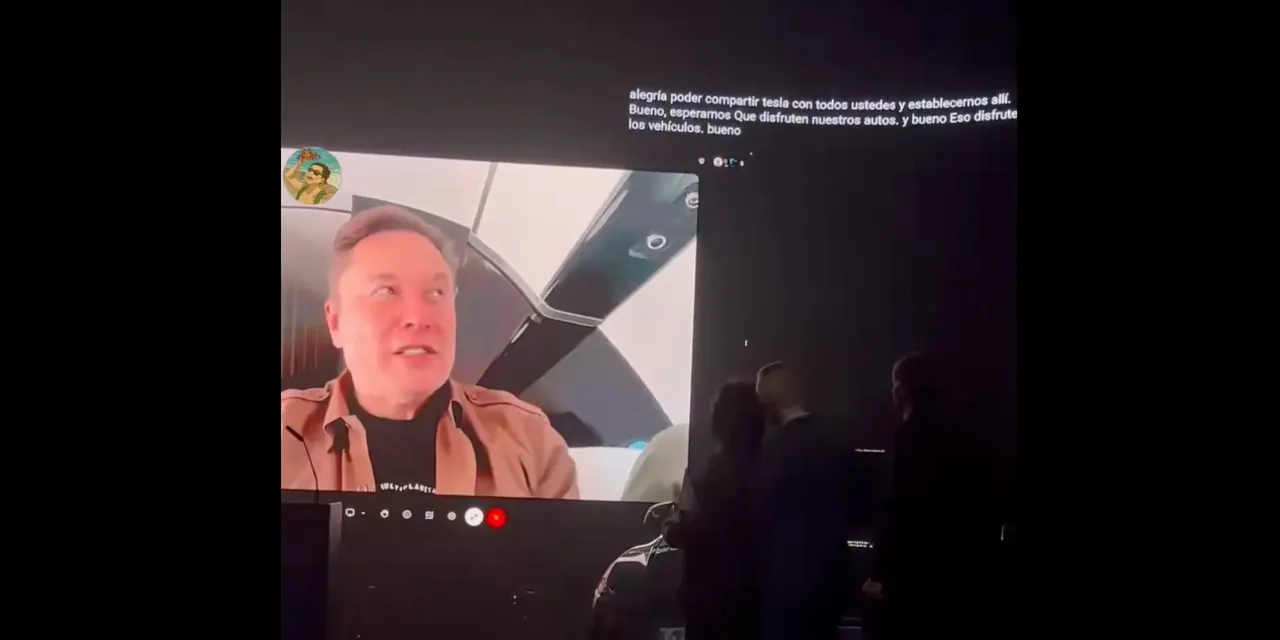
Car repair software fees cost US drivers $12 billion a year
Before a mechanic can release an electronic parking brake, they may need a laptop and a paid subscription. PIRG says that toll adds $12 billion a year.
 SUMO· the number puzzle
 Dialo· learn languages by speaking
 ediviewer· read EDI files like documents
 giftdetect· the right gift in minutes
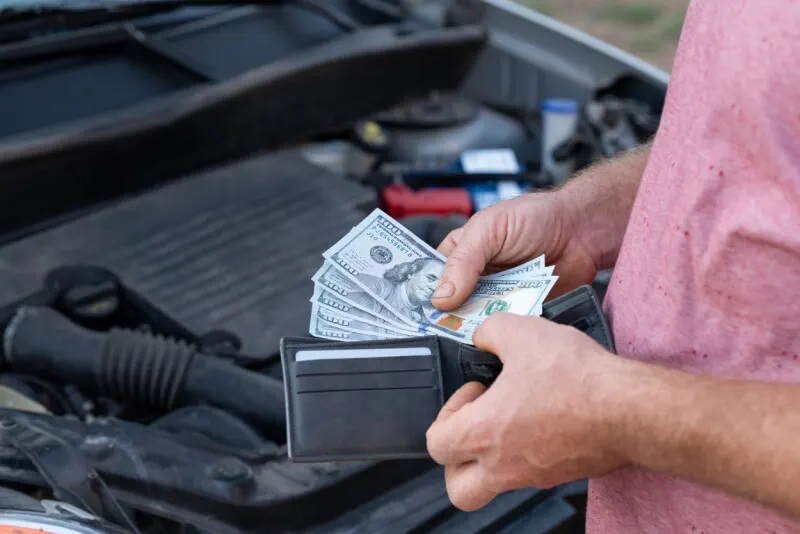
Fixing a modern car increasingly starts with a laptop and a login. According to the Public Interest Research Group (PIRG), a US consumer non-profit, the software fees mechanics have to pay add an estimated $12 billion a year to what Americans spend on car repair.
The group's report is called Closing Shop. Its core point: to find a failed sensor, release an electronic parking brake or run diagnostics, a technician first has to connect a laptop or tablet to the car. That needs the right software, and that means subscriptions and other fees paid to the carmaker.
Why do software fees make car repairs cost more?
Smaller independent shops that can't afford every subscription may have to send customers to authorized dealerships for some fixes, about one in five jobs by PIRG's count. Dealers can then charge more. Shops that do pay still lose time: PIRG estimates they spend a collective 83 million hours a year buying, downloading, logging in and waiting. At typical repair rates, that comes to $12 billion.
A separate report from the PIRG Education Fund describes a two-tier system, where independents work with less information and weaker diagnostic tools than dealers, at higher cost.
Does this affect drivers who never need a repair?
PIRG says yes, through insurance. Higher repair costs mean higher claims, and the group says auto insurance prices have risen three times as fast as the rest of the US economy since 2012.
What does PIRG want lawmakers to do?
The group wants legislators to stop carmakers locking independent mechanics out of simple jobs such as changing brake pads, and to require a standard way to authenticate independent diagnostic tools. It also wants a standardized platform that lets owners share telematics repair data with the shop of their choice. Carmakers can currently use that data to tell owners a repair is needed and send them to an approved shop, without saying what the problem is.
DIY repairers, PIRG says, should get service information and basic diagnostic software for free, and license fees for official tools should be capped.
"We've allowed car manufacturers to build a toll road between the mechanic and the repair," says Nathan Proctor, who leads PIRG's Right to Repair campaign. Those tolls, he says, also create traffic jams that slow the work and raise costs.
Apps worth a look
SUMO: the number puzzleTap the right tiles, add them up, hit the target. Easy to learn, hard to master. Free, for all ages.
Dialo: learn languages by speakingTalk to an AI conversation partner; every sentence comes back corrected and explained in your language. 9 languages, A1 to C2.
ediviewer: read EDI files like documentsOpen EDIFACT and X12 messages, see every segment explained, convert to JSON/XML, export PDF and Excel. Runs locally, no upload.
giftdetect: the right gift in minutesPick who it is for, the occasion and their personality. The search engine reads product descriptions from local shops and ranks what fits. Free, no sign-up.
More from this day
See all →
Google's new 3D emoji need 6GB RAM and 10GB storage, now explained
GrapheneOS builds its own RCS messaging app, no Google Messages

MoldyRoost ad campaign can hack iPhones with one tap, Confiant says

VMware vCenter bug CVE-2026-123890 was exploited in September
More in: Automotive
See all →
Xiaomi SU7 Ultra goes on sale in the UAE, its first market abroad
Tesla FSD V15 Adds a GTA-Style Camera and a 25x Safety Claim

Tesla blue snowflake icon: what it means for your battery