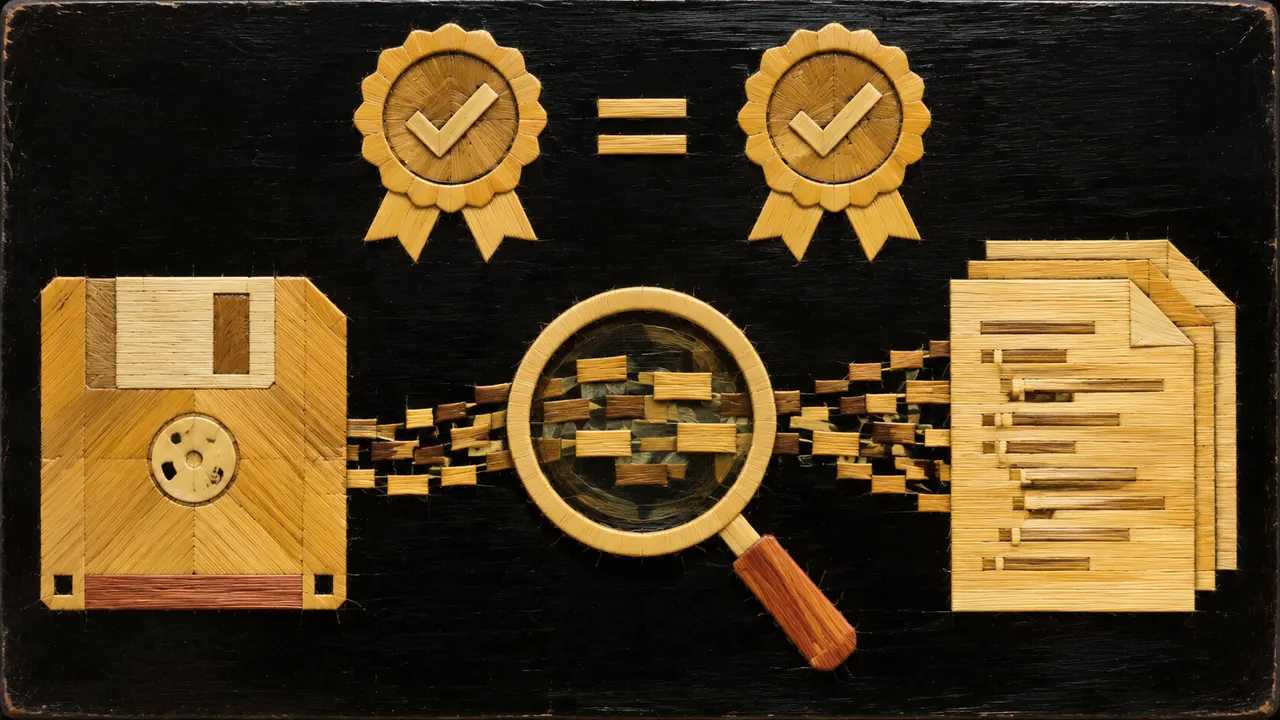
Borland C++ 2.0 source code rebuilt from BCC.EXE, byte for byte
Borland never released the source of Borland C++ 2.0. A project called borland-reborn rebuilt it from the 1991 binary, and it compiles back to an identical BCC.EXE.
 SUMO· the number puzzle
 Dialo· learn languages by speaking
 ediviewer· read EDI files like documents
 giftdetect· the right gift in minutes
Borland C++ 2.0 shipped in 1991, and its source code was never made public. Now a version exists anyway, reconstructed from the compiler's own executable. Build it with Borland's original toolchain and you get a BCC.EXE with the same SHA-256 hash as the real one.
The project is called borland-reborn. It holds 298 source files in 15 directories: 265 in C (from Borland C++ 2.0 and Turbo C 2.01) and 33 hand-written TASM assembly modules. The original split between compiled C and assembly was kept. Nothing was forced into C, and nothing compiled was left as assembly. The standalone preprocessor, CPP.EXE, also rebuilds byte for byte.
How was Borland C++ 2.0 source recovered from a binary?
The first job was guessing the right compiler version and its switches, because a function only matches when every one of them is correct. Along the way the author found that 29 library modules were built with Turbo C 2.01, not Borland C++. Then functions were tuned one at a time until each byte matched.
Only after that was the code made readable: about 3,100 names restored or invented, 300 record fields, 40 record layouts and roughly 10,000 lines of comments. Every later edit, renames included, has to pass the same byte-for-byte test.
What did it find inside the compiler?
The parser is hand-written recursive descent, with an operator-precedence expression parser and no yacc. The notes also list probable bugs in the original. strrchr reads one byte before an empty string, and space freed in the precompiled-header file is never reused.
The repository does not include Borland's programs, so you have to get the original distributions yourself to rebuild. The scripts and documentation are MIT-licensed. The recovered source comes from copyrighted Borland software and is published for study and preservation, with no rights claimed.
The work was done with Exhume, a toolkit for Claude Code that grew out of decompiling Ultima Underworld II. A third part of the project, using BCC.EXE as a tool for decompiling other Borland-built games, has only just started.
Apps worth a look
SUMO: the number puzzleTap the right tiles, add them up, hit the target. Easy to learn, hard to master. Free, for all ages.
Dialo: learn languages by speakingTalk to an AI conversation partner; every sentence comes back corrected and explained in your language. 9 languages, A1 to C2.
ediviewer: read EDI files like documentsOpen EDIFACT and X12 messages, see every segment explained, convert to JSON/XML, export PDF and Excel. Runs locally, no upload.
giftdetect: the right gift in minutesPick who it is for, the occasion and their personality. The search engine reads product descriptions from local shops and ranks what fits. Free, no sign-up.
More from this day
See all →
GTA VI Macca & Friends: the in-game cartoon gets a trailer
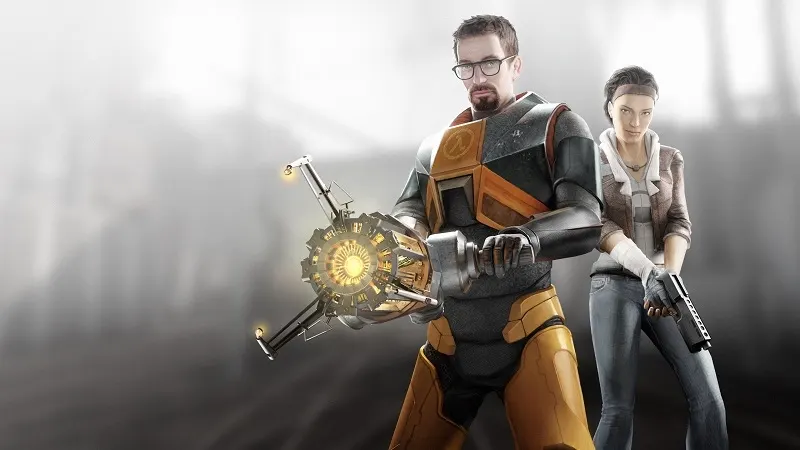
Half-Life 2: Episode Three weapons run again thanks to a modder
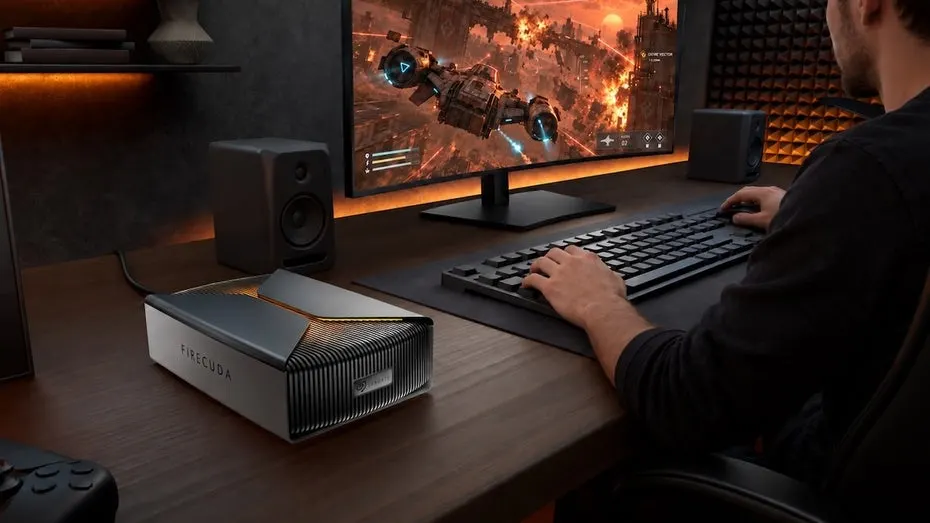
Seagate FireCuda Forge: a 20TB hard drive with an empty SSD slot
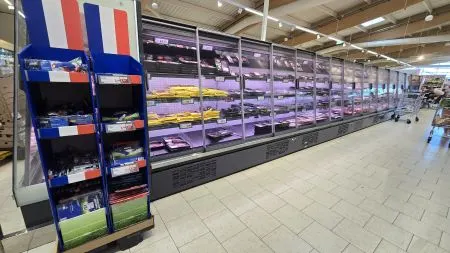
Danfoss AK-SM 800A flaws: supermarket fridge controllers still open
More in: Software
See all →
Chrome Incognito mode: what it hides and what it can't

Meta Takes app: a prediction market that pays in 'cred', not cash
Microsoft outage: Outlook, Teams and Office down for 11 hours