Bolt Delivery Robot Runs Red Light in Tallinn, Injuring Nine
A Starship delivery robot working for Bolt crossed on red in Tallinn, forcing a bus to brake hard and injuring nine passengers. Police are investigating who is liable.
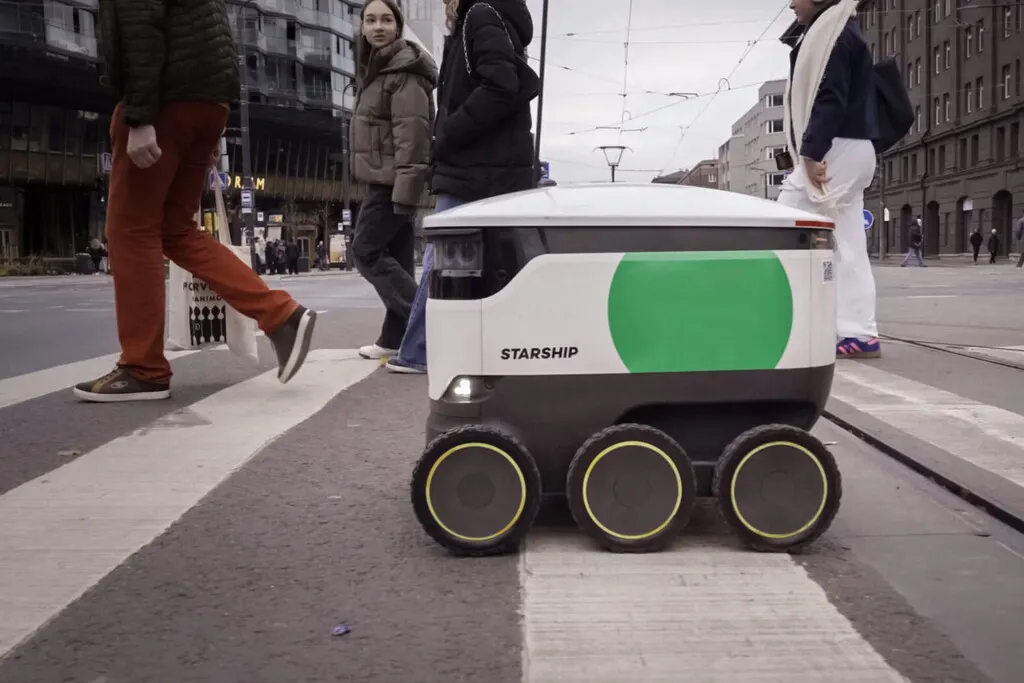
A autonomous delivery robot operated for Bolt crossed a pedestrian crossing on a red light in central Tallinn on Monday, 26 October, forcing a city bus to brake sharply. Nine passengers who were standing fell and were injured, according to the municipal transport company TLT.
Video from the bus shows the robot being pushed along the road before it continues on its way. TLT executive Andrei Novikov told local broadcaster ERR that the robot "ran away, so to speak", while a spokesperson said leaving the scene without complying with the law "may constitute a crime". Estonian police are now investigating.
Starship disputes the "hit and run"
Pepe Aaviksoo, head of operations at Starship, the company that builds the robots, said it was dark and an illuminated advertisement behind the signal made it hard for the robot to read the pedestrian light. The pedestrian and car signals also sat in the same line of sight. He acknowledged a weakness in the robot's light sensitivity and said exceptional situations happen.
Starship rejects the idea of a getaway. Aaviksoo said the robot waited about 10 minutes nearby and alerted the support team that it needed to be moved off the road. In his view the situation was clear, since the bus left the scene, and he said staff saw neither police nor medics.
Who pays when nobody is driving?
The case highlights gaps in European rules. The EU's new product liability directive treats software and AI as products, but it applies only to products placed on the market from 9 December 2026, so robots already on the streets remain under a 1985 regime. The Commission also withdrew the AI liability directive, which MEP Axel Voss called a "strategic mistake".
Criminal law is left to member states. Since 2017, Estonian traffic law has covered delivery robots and treats their holder as a driver. A delivery platform owning the robot would be responsible and must carry liability insurance; if the manufacturer owns it and leases it out, responsibility falls on the manufacturer.
The incident comes as deployments grow. Starship announced in June more than 10 million deliveries and over 3,000 robots across 300 locations in eight countries, and Uber Eats uses them in Leeds with more European countries planned for 2026.
Apps worth a look
 SUMO: the number puzzle
Tap the right tiles, add them up, hit the target. Easy to learn, hard to master. Free, for all ages.
 Dialo: learn languages by speaking
Talk to an AI conversation partner; every sentence comes back corrected and explained in your language. 9 languages, A1 to C2.
 ediviewer: read EDI files like documents
Open EDIFACT and X12 messages, see every segment explained, convert to JSON/XML, export PDF and Excel. Runs locally, no upload.
More from this day
See all →
Ukraine Unveils Gerbera 2 Drone Like the One Found in Poland

Apple Warns iPhone Users in 99 Countries of Mercenary Spyware
Fridge cyberattack hits supermarkets across Europe on 2 November

AURIGA Cyber Ventures II Hits €80M First Close for European Security
More in: Automotive
See all →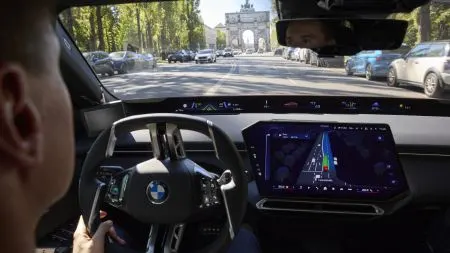
BMW to offer partially automated city driving from 2027
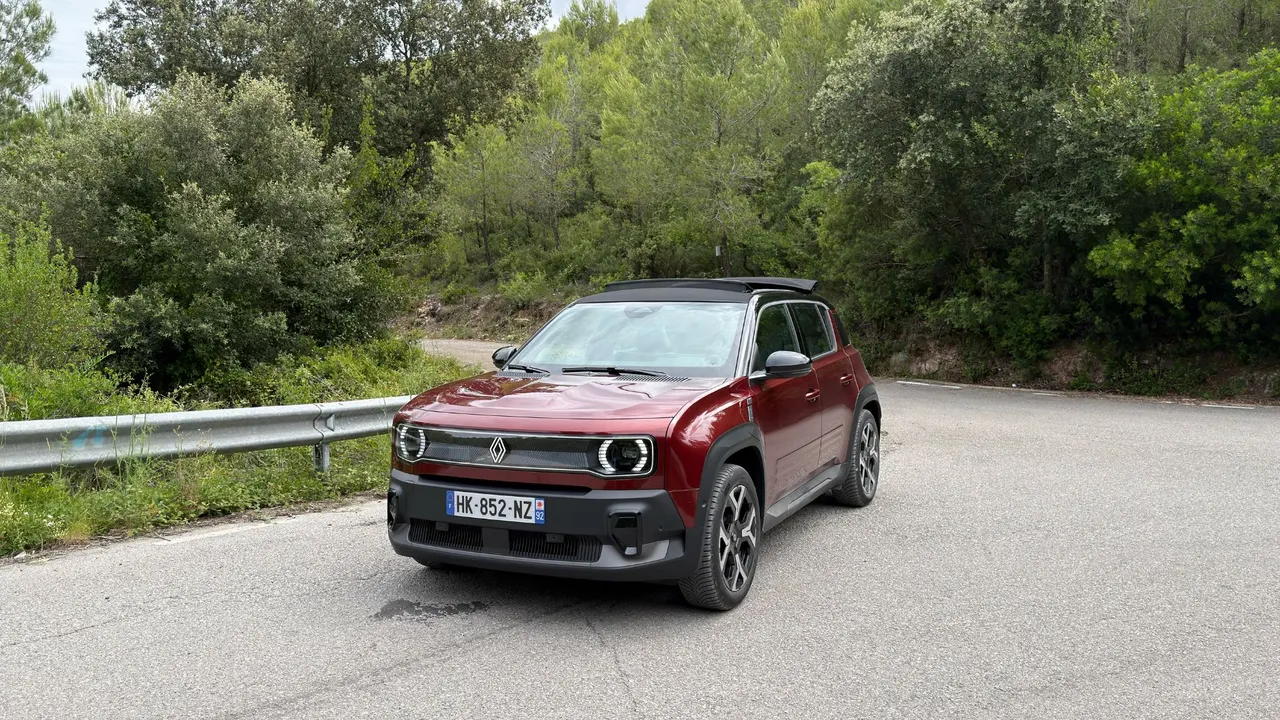
France's EV charging network outpaces demand: only 15% want to switch
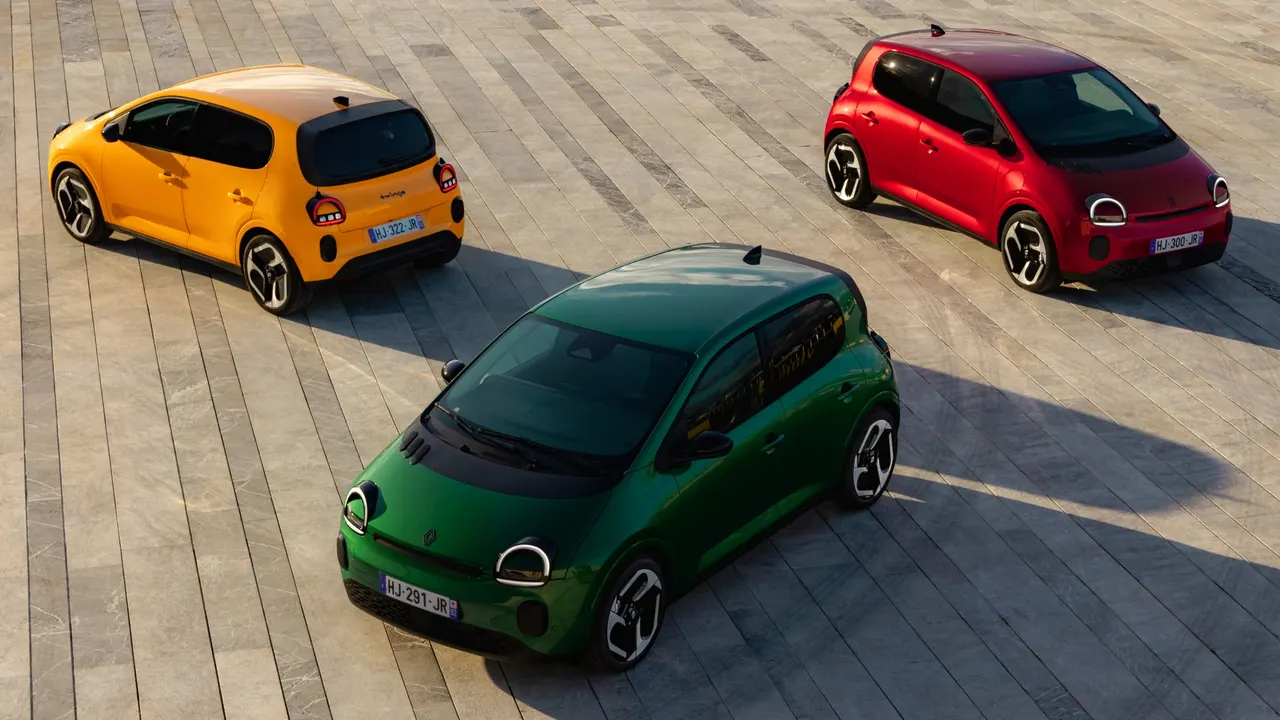
Renault Twingo tops French EV sales in October 2026