BMW Neue Klasse: Samsung SDI and LG to Supply Gen6 Cells Locally
BMW adds Samsung SDI in Europe and LG Energy Solution in the US as cell suppliers for its Gen6 batteries, in line with its Local for Local sourcing strategy.
 SUMO· the number puzzle
 Dialo· learn languages by speaking
 ediviewer· read EDI files like documents
 giftdetect· the right gift in minutes
BMW is bringing in two more cell suppliers for its sixth-generation (Gen6) high-voltage batteries. Samsung SDI is to deliver cylindrical cells from Europe, while LG Energy Solution will supply them from the US. Both South Korean companies are due to deliver from existing plants in each region from the end of the 2020s. The initial announcement does not say how large the contracts are or how long they run.
BMW presents the deals as part of its "Local for Local" procurement strategy: components should be sourced where the cars are built. That is meant to shorten transport routes, secure supply and keep value creation in the region. "Diversifying procurement is an integral part of the BMW Group's purchasing strategy," said purchasing board member Nicolai Martin.
Who supplies what today
In Europe, BMW has so far relied on CATL and EVE Energy. For US production, AESC was planned and currently supplies BMW from its global plant network on an interim basis. Samsung SDI and LG now join them. BMW assembles the cells into batteries at five sites near its vehicle plants: Irlbach-Straßkirchen in Lower Bavaria, Debrecen in Hungary, Shenyang in China, Woodruff in South Carolina and San Luis Potosí in Mexico.
Korean trade press has reported figures for LG's contract: up to ten years, around 10 GWh per year and a value of more than 10 trillion won, or at least about 6.6 billion euros. Neither BMW nor LG has confirmed these terms. There are no estimates for Samsung SDI.
What the Gen6 battery offers
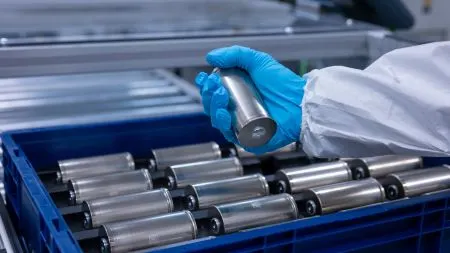
The Gen6 packs use cylindrical cells with a 46 mm diameter in heights of 95 and 120 mm. They sit directly in the battery housing without a module layer (cell-to-pack), and the battery also serves a structural role in the body. BMW cites over 20 percent higher energy density than the previous generation, up to 30 percent more range and shorter charging times.
The agreements regionalize cell production, not the whole chain. BMW does not disclose where lithium, nickel, cobalt and graphite come from, or where cathode and anode materials are made, nor the share of local value creation. A local cell plant offers limited protection against raw-material export restrictions or trade disputes over precursors. What more suppliers at more sites mainly give BMW is room to switch.
BMW calls localization of cells complex, requiring heavy investment, robust supply chains and cell makers willing to produce locally. Hendrik Lang, responsible for high-voltage battery purchasing and quality, says the global partner network gives BMW a "resilient, flexible and competitive battery cell supply."
Apps worth a look
SUMO: the number puzzleTap the right tiles, add them up, hit the target. Easy to learn, hard to master. Free, for all ages.
Dialo: learn languages by speakingTalk to an AI conversation partner; every sentence comes back corrected and explained in your language. 9 languages, A1 to C2.
ediviewer: read EDI files like documentsOpen EDIFACT and X12 messages, see every segment explained, convert to JSON/XML, export PDF and Excel. Runs locally, no upload.
giftdetect: the right gift in minutesPick who it is for, the occasion and their personality. The search engine reads product descriptions from local shops and ranks what fits. Free, no sign-up.
More from this day
See all →
Calogena wins €40 million EU grant for first commercial SMR
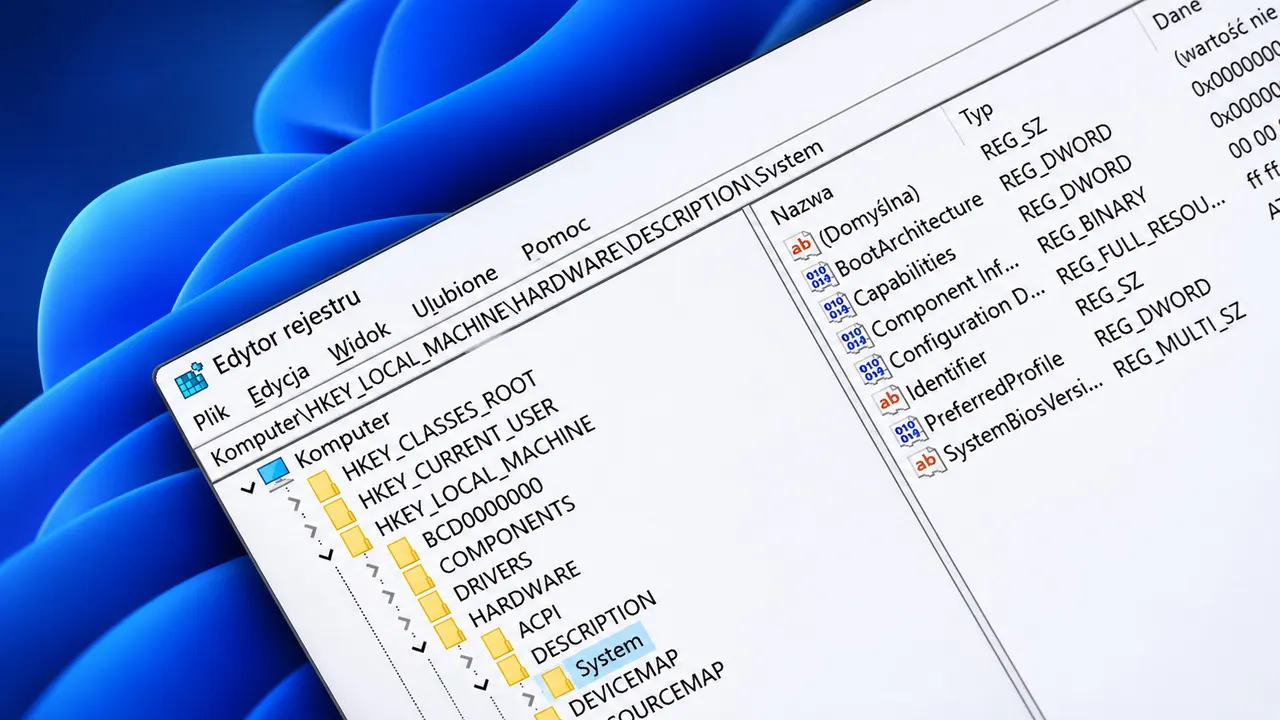
Windows 11 Registry Editor Gets a WinUI 3 Version as a Demo
JRH ASI to Finance Radar System Production for Ukrainian Partner
Budimex Tests Autonomous Rollers as Poland's Labor Shortage Bites
More in: Automotive
See all →
Volkswagen Software 3.x Update Adds Battery Heating to Older EVs
BMW iX3 40 tested: the base model still rewards drivers
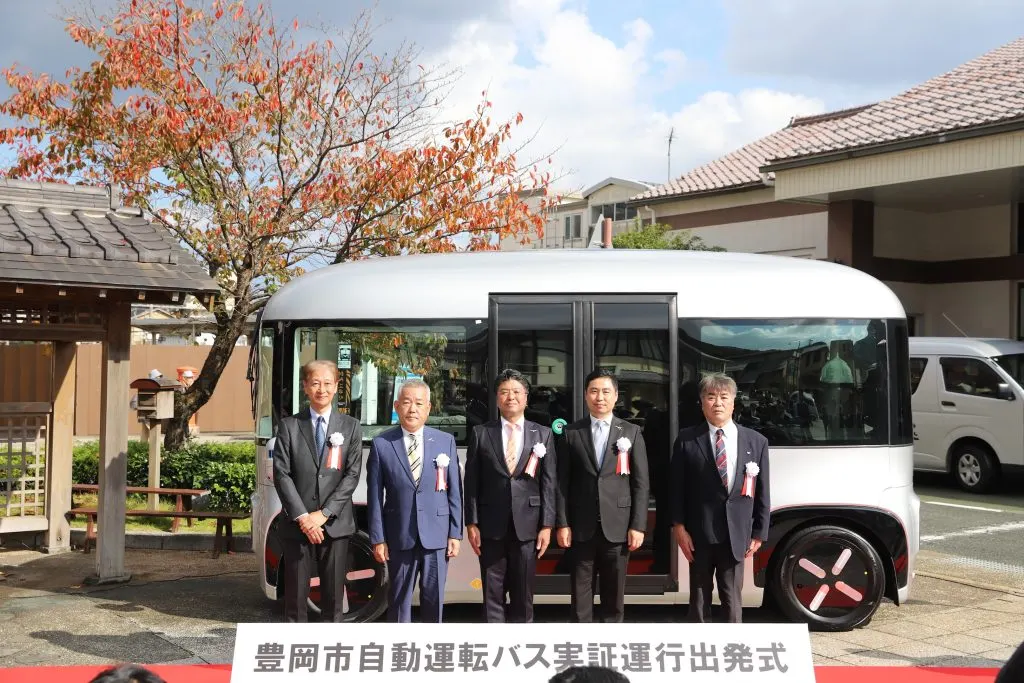
Autonomous a2z Deploys ROii Level 4 Shuttle in Japan's Hyogo