Big Walk and the IGA: 19 judges refuse to vote for games using AI
The makers of Untitled Goose Game asked a chatbot one coding question. Now 19 Independent Games Festival judges are arguing over whether Big Walk counts as an AI game.
 SUMO· the number puzzle
 Dialo· learn languages by speaking
 ediviewer· read EDI files like documents
 giftdetect· the right gift in minutes
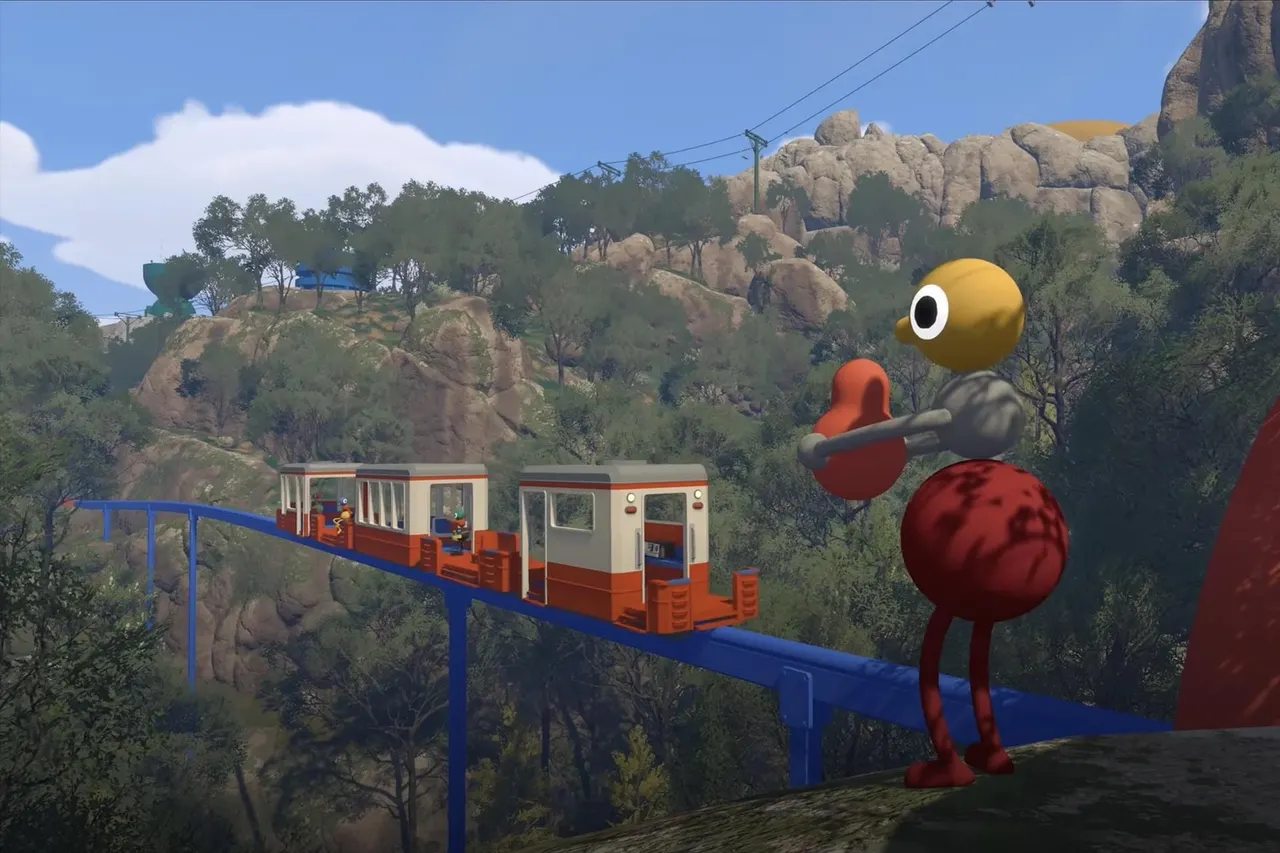
House House, the studio behind Untitled Goose Game, used a chatbot once to chase down a bug in Big Walk. Now that small decision has landed in the middle of a row over AI at the Independent Games Festival (IGF).
The IGF is one of the biggest indie game events in the world, and winning an Independent Games Awards (IGA) prize brings serious attention. So far, 19 judges have said they will not vote for any game that uses generative AI. Last year 46 judges decided six awards, and a similar number is expected this year. Nineteen is under half, but it depends on which judge handles which award. Others may quietly agree without saying so.
Does Big Walk count as an AI game?
According to House House, the only major use of an LLM (a large language model, the tech behind chatbots) was research on a problem in third-party code: a shadow casting optimization issue in Unity. Neither Unity engineers nor House House's own programmers could solve it, so they asked a chatbot. It offered possible fixes, and the team changed them heavily before use. The studio says AI made up less than 0.1% of the whole project. It adds that some AI-generated code was edited and put into the game, and that it used no other generative AI.
The judges' pledge says no use at any level, and it explicitly includes AI-generated code. Their reasoning is that programming is a creative discipline and deserves the same respect as any other part of development.
Judge Sam Barlow said on Bluesky that Big Walk did not start the debate. The pledge came about because so many submissions used AI to a blatant degree, which left Big Walk as a hard case on the border.
What House House says now
The studio told the IGA about the AI use when it submitted. It had not said so publicly, including on Steam, before the row began. Steam has no rule requiring developers to disclose AI-generated code.
House House says it respects the judges' stance. In its statement, it admits that having no internal AI policy was a mistake, and says it supports people trying to limit the harm generative AI does to the games industry.
The judges also point out that chatbots can write code only because they learned from code others wrote, without permission. So even a quick question has someone on the other end of it.
Apps worth a look
SUMO: the number puzzleTap the right tiles, add them up, hit the target. Easy to learn, hard to master. Free, for all ages.
Dialo: learn languages by speakingTalk to an AI conversation partner; every sentence comes back corrected and explained in your language. 9 languages, A1 to C2.
ediviewer: read EDI files like documentsOpen EDIFACT and X12 messages, see every segment explained, convert to JSON/XML, export PDF and Excel. Runs locally, no upload.
giftdetect: the right gift in minutesPick who it is for, the occasion and their personality. The search engine reads product descriptions from local shops and ranks what fits. Free, no sign-up.
More from this day
See all →
Shenloong deep-sea worm hides bacteria-filled "dragon balls"

NTT Docomo 5G SA outages: three failures in one month

BADBOX 3.0: infected Android TV boxes fired 40 billion fake ad requests a day

Windows 11 webcam zoom missing after update: users report bug
More in: Gaming
See all →
Binding of Isaac: Repentance Plus drops AI music from its GTA-style section

Amber Wallin's GTA 6 voice role stayed secret, even from her husband

GTA 6 birdwatching: one expert found all 60 bird species in two days